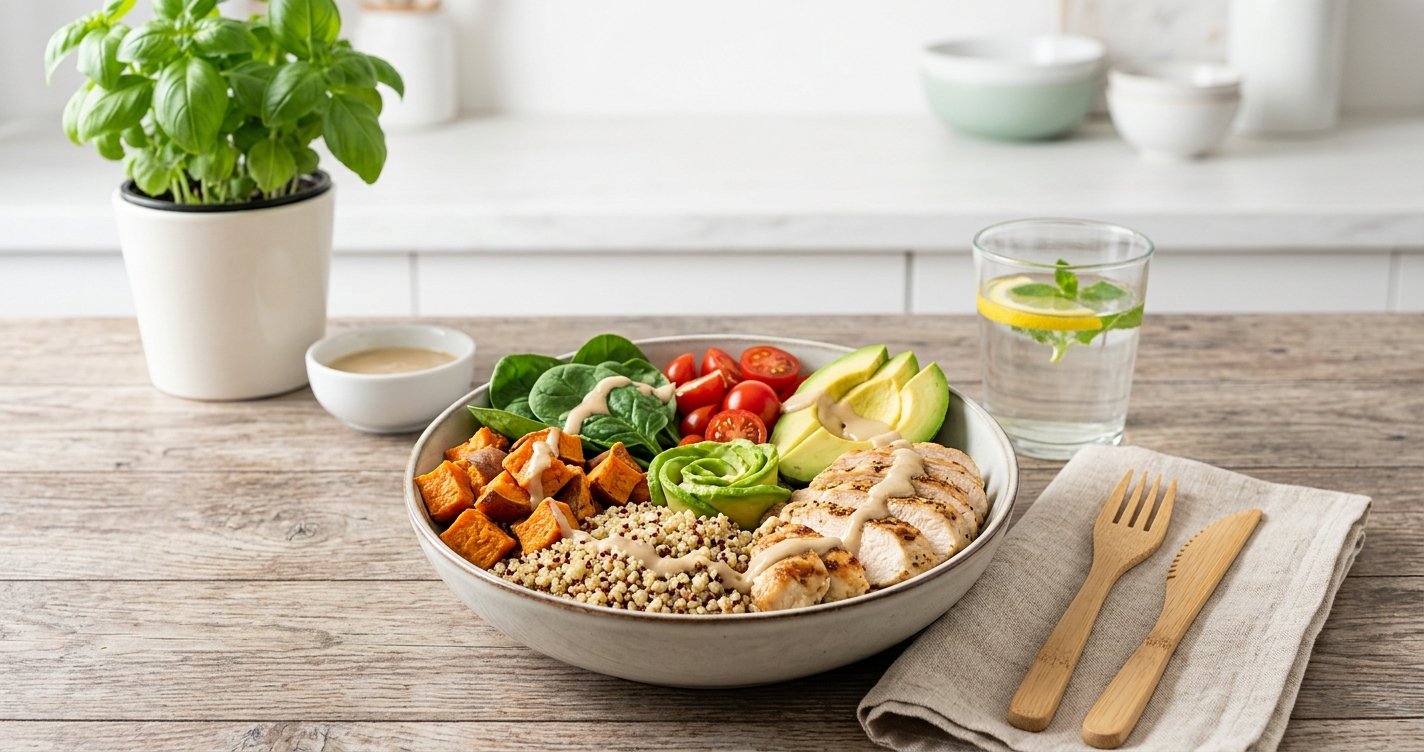
Are you tired of the diet rollercoaster? The endless cycles of restriction, quick fixes, and the inevitable rebound? You're not alone. Many people seeking sustainable fat loss get caught in the trap of fad diets, believing that extreme measures are the only path to results. But what if there was a better way? A way that focuses on nourishing your body, enjoying your food, and building habits that last a lifetime?
This isn't about deprivation; it's about empowerment. We're going to dive into evidence-based nutrition strategies for fat loss that are not only effective but also enjoyable and, most importantly, sustainable. Forget the quick fixes and get ready to transform your approach to food, health, and your body. Let's unlock the secrets to lasting fat loss, one delicious, informed choice at a time! this excellent wellness product
Understanding the Foundation: The Calorie Deficit Done Right
At its core, fat loss boils down to one fundamental principle: you need to consume fewer calories than your body expends. This is known as creating a calorie deficit. Sounds simple, right? But the key is doing it right – without feeling starved or depriving your body of essential nutrients.
What is a Calorie Deficit?
Imagine your body as a car. If you put in less fuel than you burn, eventually you'll start using the reserves. For our bodies, those reserves are stored fat. Your Total Daily Energy Expenditure (TDEE) is the number of calories your body burns in a day, including your Basal Metabolic Rate (BMR – calories burned at rest) and calories burned through activity. To lose fat, you need to eat consistently below your TDEE.
Why Extreme Restriction Backfires
Cutting calories too drastically might seem like a fast track, but it often leads to muscle loss (not just fat), metabolic slowdown, nutrient deficiencies, intense cravings, and ultimately, burnout. A moderate deficit (typically 300-500 calories below your TDEE) is far more effective for sustainable fat loss, preserving muscle mass, and maintaining energy levels.
Protein: Your Powerhouse for Fat Loss and Satiety
If there's one macronutrient to prioritize for fat loss, it's protein. Protein is an absolute game-changer, offering multiple benefits that make your journey smoother and more effective.
Why Protein Reigns Supreme
- Satiety: Protein is incredibly filling. Including enough protein in your meals helps you feel fuller for longer, reducing the urge to snack unnecessarily and making it easier to stick to your calorie goals.
- Muscle Preservation: When you're in a calorie deficit, there's a risk of losing muscle along with fat. Adequate protein intake helps to protect your precious muscle mass, which is crucial for maintaining a healthy metabolism.
- Thermic Effect of Food (TEF): Protein has a higher TEF than carbs or fats, meaning your body burns more calories digesting and metabolizing protein. It's a small boost, but every little bit helps!
Smart Protein Choices
Aim for a protein source at every meal. Think lean meats (chicken breast, turkey, lean beef), fish (salmon, tuna, cod), eggs, dairy (Greek yogurt, cottage cheese), legumes (lentils, beans), and plant-based options like tofu and tempeh. A good general guideline is to aim for 0.7-1 gram of protein per pound of your target body weight.
Embrace Whole, Unprocessed Foods for Optimal Results
Steering clear of highly processed foods and opting for whole, natural ingredients is one of the most impactful nutrition strategies for fat loss you can adopt. These foods are packed with nutrients and fiber, which are essential for health and satiety.
The Power of Produce and Whole Grains
Fruits and vegetables are your best friends on a fat loss journey. They are low in calories, high in fiber, and bursting with vitamins and minerals. Fiber adds bulk to your meals, making you feel full without adding many calories. Whole grains like oats, quinoa, and brown rice provide sustained energy and additional fiber, preventing those energy crashes that lead to unhealthy snacking.
Limiting Processed Foods
Processed foods often contain hidden sugars, unhealthy fats, and excessive sodium, all of which can hinder your fat loss efforts. They're typically less satisfying, leading to overeating, and often lack the vital nutrients your body needs to thrive. Focus on building your plate around single-ingredient foods as much as possible.
The Truth About Fats: Choose Wisely for Health and Fat Loss
For a long time, fat was demonized, but we now know that healthy fats are essential for overall health, hormone function, and even fat loss. The key is choosing the right types and consuming them in moderation.
Good Fats vs. Bad Fats
Focus on sources of monounsaturated and polyunsaturated fats, such as avocados, nuts, seeds, olive oil, and fatty fish like salmon (rich in Omega-3s). These fats are crucial for brain health, reducing inflammation, and can even help with satiety. Avoid trans fats (often found in processed baked goods and fried foods) and limit saturated fats (found in red meat, butter, full-fat dairy) to reasonable amounts.
Mindful Fat Consumption
While healthy fats are beneficial, they are also calorie-dense. A small amount goes a long way. Be mindful of portion sizes when adding nuts to your yogurt or oil to your salad. A tablespoon of olive oil or a quarter of an avocado is often sufficient.
Hydration, Fiber, and Mindful Eating: The Unsung Heroes
These elements might not get as much attention as protein or calorie counting, but they play a crucial role in making your fat loss journey smoother and more effective.
The Thirst-Hunger Connection
Often, what we perceive as hunger is actually thirst. Staying well-hydrated throughout the day can help manage your appetite, boost your metabolism slightly, and keep you feeling energized. Aim for at least 2-3 liters of water daily, more if you're active.
Slowing Down to Tune In
Mindful eating means paying attention to your body's hunger and fullness cues. Eat slowly, savor each bite, and put your fork down between mouthfuls. Avoid distractions like screens. This practice allows your brain to register that you've eaten enough, preventing overeating and fostering a healthier relationship with food.
Building Sustainable Habits: Consistency Over Perfection
Remember, fat loss isn't a race; it's a marathon. The most effective nutrition strategies are those you can stick with long-term, not just for a few weeks. Consistency is far more powerful than sporadic perfection.
Embrace Small, Consistent Changes
Don't try to overhaul everything overnight. Start with one or two changes: perhaps adding protein to every meal, drinking more water, or replacing sugary drinks with water. Once those habits are established, add another. These small, consistent steps build momentum and lead to lasting results.
Celebrate Non-Scale Victories
The scale doesn't tell the whole story. Pay attention to how your clothes fit, your energy levels, your sleep quality, and your mood. These non-scale victories are powerful indicators of progress and can keep you motivated even when the scale seems stuck. Remember, every healthy choice you make is a win!
Your Journey to Sustainable Fat Loss Starts Now!
You now have a powerful toolkit of sustainable nutrition strategies to guide you on your fat loss journey. It's not about strict diets or deprivation; it's about making informed, conscious choices that nourish your body, satisfy your hunger, and align with a healthier lifestyle.
Remember to prioritize protein, embrace whole foods, choose healthy fats wisely, stay hydrated, and practice mindful eating. Be patient with yourself, celebrate your progress, and trust the process. You've got this! Start small, stay consistent, and watch as you build a healthier, happier you, one delicious, sustainable meal at a time.