Are you tired of the endless cycle of restrictive diets, quick fixes, and the inevitable rebound? You're not alone. The world of fat loss can often feel overwhelming, filled with conflicting advice and promises that rarely deliver long-term results. But what if there was a different way? A path that focuses on nourishing your body, enjoying your food, and creating habits that stick for life? Welcome to the world of sustainable nutrition strategies for lasting fat loss.
This isn't about deprivation; it's about empowerment. It's about understanding your body, making informed choices, and building a foundation that supports not just fat loss, but overall health and well-being. Forget the crash diets and embrace a journey that's friendly, evidence-based, and genuinely encouraging. Let's unlock the secrets to a healthier, happier you. this excellent wellness product
Understanding the Foundation: The Calorie Deficit (Without Starvation!)
At its core, fat loss boils down to one fundamental principle: consuming fewer calories than your body expends. This is known as a calorie deficit. Don't let the term scare you; it doesn't mean starving yourself or counting every single morsel. It simply means making smarter choices that allow your body to tap into its fat stores for energy.
Think of your body as a car. If you put in less fuel than you burn, eventually you'll start using the reserves. For our bodies, those reserves are stored fat. The key is to create a moderate deficit that's sustainable, not extreme. A deficit of 300-500 calories per day is often a good starting point for consistent, healthy fat loss without feeling deprived or sluggish. This can often be achieved by simply making healthier food swaps and being more mindful of portion sizes, rather than drastically cutting food groups.
The Power of Macronutrients: Fueling Your Body Right
While calories are king, the source of those calories matters immensely. Macronutrients – protein, carbohydrates, and fats – are the building blocks of your diet, each playing a crucial role in satiety, energy, and overall health. Understanding how to balance them is a game-changer for fat loss.
Protein: Your Satiety Superstar
If there's one macronutrient to prioritize for fat loss, it's protein. Protein is incredibly satiating, meaning it keeps you feeling fuller for longer, which naturally reduces overall calorie intake. It also has a higher thermic effect of food (TEF) than carbs or fats, meaning your body burns more calories digesting it. Plus, adequate protein intake is crucial for preserving muscle mass during a calorie deficit, which is vital for maintaining a healthy metabolism.
- Aim for: A palm-sized portion of lean protein at every meal.
- Great sources: Chicken breast, turkey, lean beef, fish, eggs, Greek yogurt, cottage cheese, lentils, beans, tofu, tempeh.
Carbohydrates: Friends, Not Foes (The Right Kinds)
Carbohydrates often get a bad rap, but they are your body's primary source of energy. The trick is to choose the right kind. Focus on complex carbohydrates rich in fiber, which digest slowly, provide sustained energy, and contribute to satiety. Avoid excessive amounts of refined sugars and highly processed carbs that cause blood sugar spikes and crashes.
- Aim for: Whole, unprocessed sources that provide fiber and nutrients.
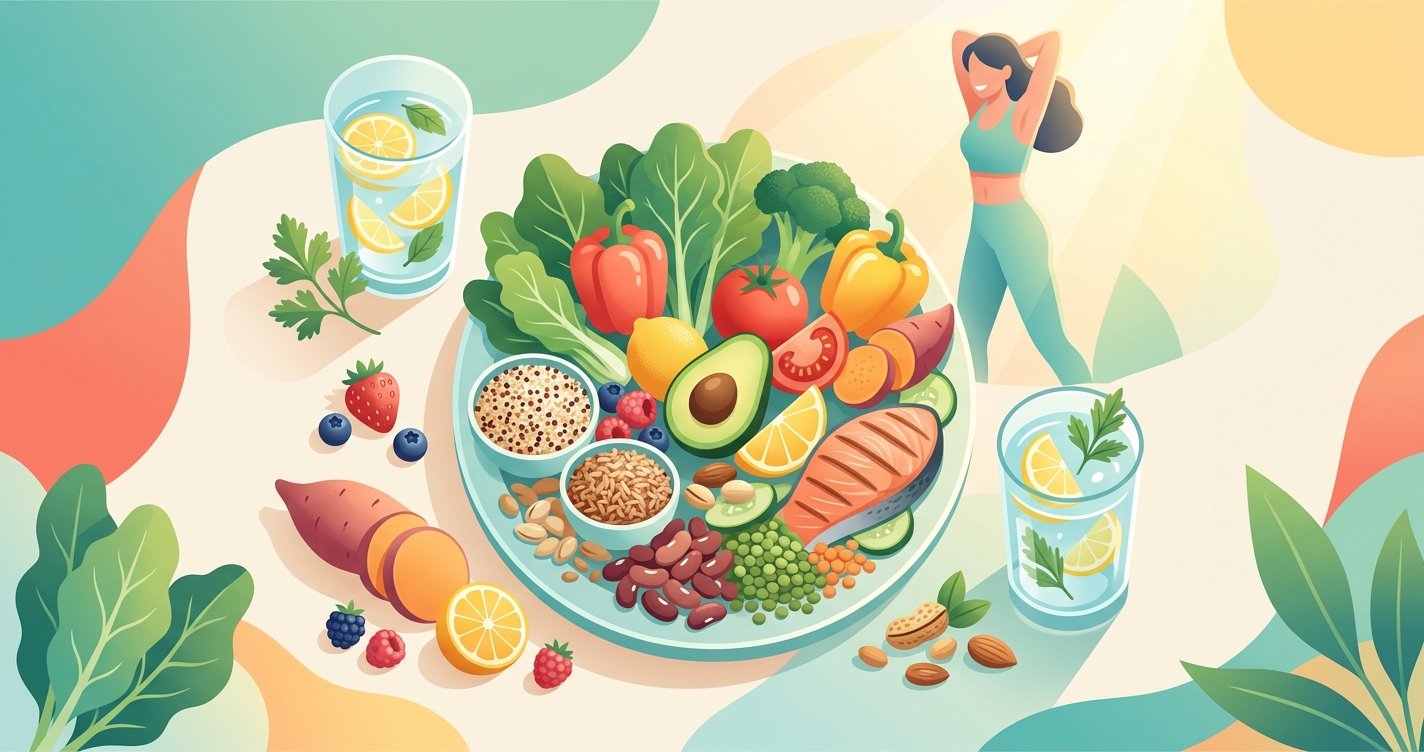
- Great sources: Oats, brown rice, quinoa, whole-grain bread, sweet potatoes, fruits, and a rainbow of vegetables.
Healthy Fats: Essential for Everything
Fats are essential for hormone production, nutrient absorption, and overall cell function. While they are calorie-dense, healthy fats contribute to satiety and are vital for your health. The key is moderation and choosing unsaturated fats over excessive saturated or trans fats.
- Aim for: Small, controlled portions of healthy fats.
- Great sources: Avocados, nuts, seeds, olive oil, fatty fish (salmon, mackerel).
Beyond Macros: Practical Strategies for Everyday Eating
Knowing about calories and macros is great, but how do you apply it to real life? Here are some practical, sustainable strategies to integrate into your daily routine.
Mindful Eating: Savor Every Bite
In our fast-paced world, eating often becomes a rushed, unconscious act. Mindful eating means paying attention to your food – its taste, texture, smell, and how it makes you feel. It helps you recognize true hunger and fullness cues, preventing overeating and fostering a healthier relationship with food.
- Try this: Eat slowly, chew thoroughly, put your fork down between bites, and avoid distractions like screens during meals.
Portion Control: Your Hand is Your Guide
You don't need a food scale to manage portions effectively. Your own hand can be a surprisingly accurate and convenient tool:
- Protein: 1-2 palm-sized servings per meal.
- Vegetables: 1-2 fist-sized servings per meal.
- Carbohydrates: 1 cupped hand-sized serving per meal.
- Fats: 1 thumb-sized serving per meal.
These are general guidelines, of course, and can be adjusted based on your specific needs and activity level.
Hydration: The Unsung Hero of Fat Loss
Often overlooked, adequate water intake is crucial. Water can help you feel fuller, boost metabolism slightly, and is essential for countless bodily functions. Sometimes, what we perceive as hunger is actually thirst!
- Tip: Drink a glass of water before each meal, and carry a water bottle throughout the day.
Meal Planning & Prep: Your Secret Weapon
Failing to plan is planning to fail. Preparing healthy meals and snacks in advance removes the guesswork and reduces the likelihood of reaching for convenient, often unhealthy, options when hunger strikes. It saves time, money, and calories.
- Start small: Prep your lunches for the week, or chop vegetables on Sunday for quicker weeknight dinners.
Navigating Cravings and Setbacks: It's Okay!
Let's be real: no one eats perfectly all the time. Cravings happen, and sometimes you'll have a day where your nutrition isn't ideal. The key to sustainable fat loss isn't perfection; it's consistency and resilience. Don't let one 'slip-up' derail your entire journey. Acknowledge it, learn from it, and get right back on track with your next meal.
Embrace the 80/20 rule: aim for healthy, nutrient-dense foods 80% of the time, and allow for some flexibility with the remaining 20%. This approach prevents feelings of deprivation and makes your journey more enjoyable and sustainable in the long run.
The Role of Lifestyle: Sleep, Stress, and Movement
While nutrition is paramount, remember that it's part of a larger picture. Quality sleep, effective stress management, and regular physical activity significantly impact your body's ability to lose fat and maintain health. Hormones like cortisol (stress hormone) and ghrelin/leptin (hunger/satiety hormones) are heavily influenced by these lifestyle factors, directly impacting your appetite and metabolism.
Aim for 7-9 hours of quality sleep, find healthy ways to manage stress (meditation, walks, hobbies), and incorporate a mix of strength training and cardio into your routine. These elements create a powerful synergy with your nutrition efforts.
Putting It All Together: Your Path to Lasting Change
Sustainable fat loss isn't about chasing a number on the scale; it's about building a healthier lifestyle that you can maintain indefinitely. It's about feeling energized, confident, and strong. Remember, progress isn't linear, and patience is your greatest virtue. Celebrate small victories, be kind to yourself, and focus on the habits, not just the outcome.
Start by implementing one or two of these strategies each week. Don't try to overhaul everything at once. Small, consistent changes lead to monumental results over time. Your body is an incredible machine, and by fueling it with respect and understanding, you're setting yourself up for not just fat loss, but a lifetime of vibrant health.