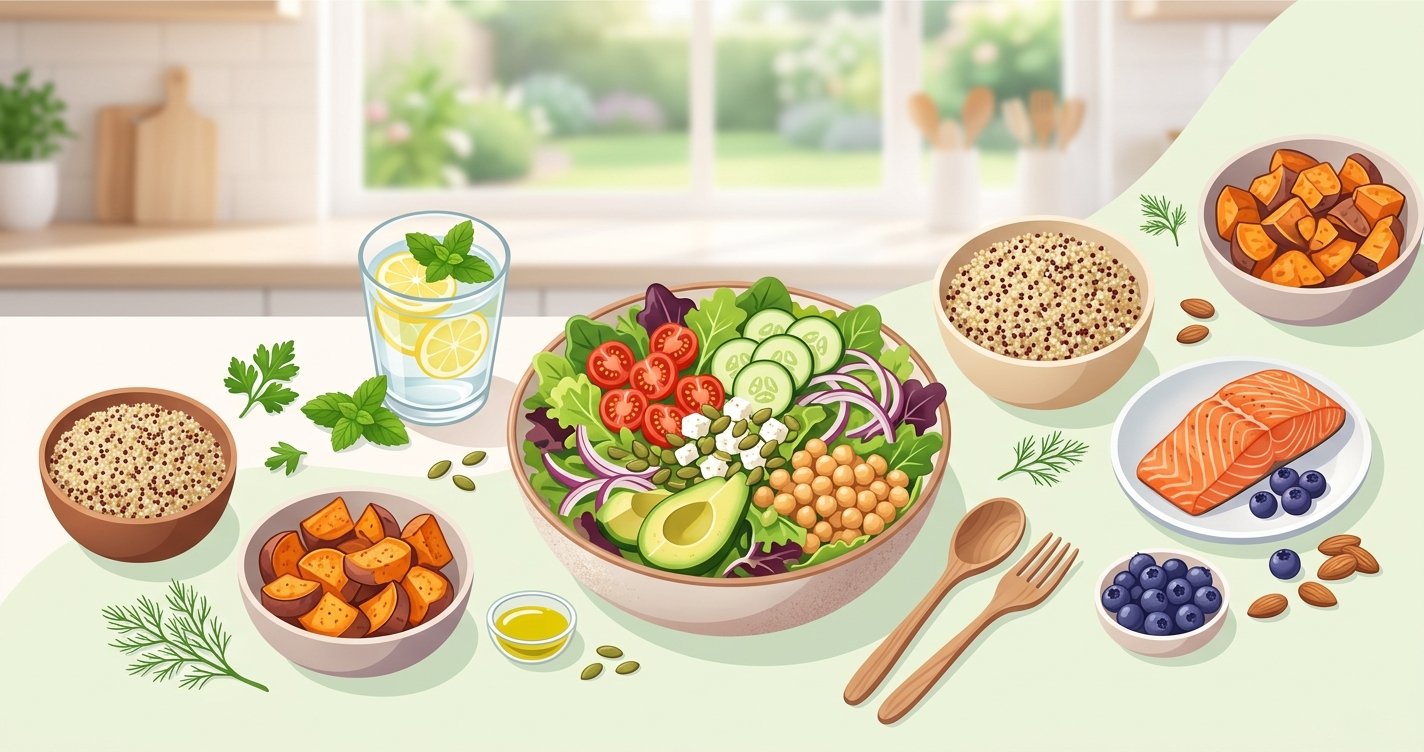
Are you tired of the diet roller coaster? The endless cycles of restriction, temporary success, and then regaining the weight, often with a little extra? You’re not alone. In a world saturated with quick fixes and extreme eating plans, it’s easy to feel lost and frustrated on your fat loss journey. But what if there was a better way? A path that focuses not on deprivation, but on nourishing your body, understanding your needs, and building habits that last a lifetime?
This isn't about the latest fad diet. This is about equipping you with evidence-based nutrition strategies that empower you to achieve sustainable fat loss. We’ll dive into practical, friendly advice that helps you ditch the diet mentality and embrace a lifestyle of healthy eating that supports your goals, keeps you energized, and most importantly, is enjoyable. Let’s unlock the secrets to lasting change! this excellent wellness product
The Calorie Deficit: Your Foundation, Not Your Only Focus
At its core, fat loss boils down to a simple principle: consuming fewer calories than your body expends. This is known as creating a calorie deficit. While it’s foundational, it’s crucial to understand that how you achieve this deficit makes all the difference between a miserable, short-lived diet and a sustainable, healthy transformation.
Extreme calorie restriction can lead to nutrient deficiencies, muscle loss, and a sluggish metabolism. Instead, aim for a moderate deficit of 300-500 calories per day. This allows for steady, healthy fat loss (typically 1-2 pounds per week) without feeling constantly deprived. You can estimate your daily calorie needs (Total Daily Energy Expenditure or TDEE) using online calculators, and then subtract your desired deficit. Remember, consistency over perfection is key.
Macronutrients Matter: Fueling Your Body for Fat Loss
While total calories are important, the composition of those calories – your macronutrients (protein, carbohydrates, and fats) – plays a vital role in satiety, energy levels, and preserving muscle mass during fat loss.
Protein: Your Satiety Superstar and Muscle Protector
Protein is arguably the most critical macronutrient for fat loss. It’s highly satiating, meaning it keeps you feeling full longer, reducing the likelihood of overeating. Moreover, protein has a higher thermic effect of food (TEF) compared to carbs and fats, meaning your body burns more calories digesting it. Crucially, adequate protein intake helps preserve lean muscle mass, which is vital for maintaining a healthy metabolism, especially during a calorie deficit. Aim for 0.7-1 gram of protein per pound of body weight per day from sources like lean meats, poultry, fish, eggs, dairy, legumes, and plant-based protein powders.
Healthy Fats: Essential for Hormones and Fullness
Don't fear fats! Healthy fats are essential for hormone production, nutrient absorption, and providing sustained energy. They also contribute to satiety. Focus on unsaturated fats found in avocados, nuts, seeds, olive oil, and fatty fish (like salmon). Limit trans fats and excessive saturated fats. Aim for 20-30% of your daily calories from healthy fats.
Complex Carbohydrates: Sustainable Energy and Fiber
Carbohydrates are your body's primary energy source. While low-carb diets can lead to initial rapid weight loss, they aren't always sustainable or optimal for everyone, especially if you're active. Prioritize complex carbohydrates (whole grains, fruits, vegetables) over refined carbs (white bread, sugary drinks). Complex carbs provide sustained energy, prevent blood sugar spikes and crashes, and are packed with fiber, further aiding satiety and digestion. Timing your carbohydrate intake around your activity levels can also be a smart strategy.
Prioritize Whole Foods: Nature's Fat Loss Allies
One of the simplest yet most powerful nutrition strategies for fat loss is focusing on whole, unprocessed foods. Think about what nature provides: fruits, vegetables, lean proteins, whole grains, nuts, and seeds. These foods are generally:
- Nutrient-dense: Packed with vitamins, minerals, and antioxidants, supporting overall health.
- High in fiber: Promoting satiety and digestive health.
- Lower in calories per volume: You can eat more of them for fewer calories, helping you feel full.
- Free from added sugars, unhealthy fats, and artificial ingredients: Which often contribute to excess calorie intake and inflammation.
Minimizing highly processed foods, sugary beverages, and excessive takeout will naturally reduce your calorie intake and improve your nutrient profile, making fat loss a much smoother journey.
The Power of Mindful Eating and Portion Control
Beyond what you eat, how you eat plays a significant role. Mindful eating is about paying attention to your food, recognizing hunger and fullness cues, and savoring the experience. This can prevent overeating and improve your relationship with food.
- Slow down: It takes about 20 minutes for your stomach to signal to your brain that you're full. Eating slowly gives your body time to register satiety.
- Eliminate distractions: Put away your phone, turn off the TV. Focus on the taste, texture, and smell of your meal.
- Listen to your body: Eat when you're hungry, stop when you're comfortably full, not stuffed.
Portion control is another crucial aspect. Even healthy foods can contribute to weight gain if consumed in excess. Use smaller plates, measure out servings, and pay attention to visual cues. For example, a serving of protein is about the size of your palm, and a serving of healthy fats is about the size of your thumb.
Hydration and Fiber: Unsung Heroes of Fat Loss
These two often overlooked elements are surprisingly powerful allies in your fat loss journey.
Water: Your Metabolism's Best Friend
Staying adequately hydrated is essential for virtually every bodily function, including metabolism. Drinking enough water can help you feel full, sometimes preventing you from mistaking thirst for hunger. Aim for at least 8 glasses (around 2 liters) of water per day, and even more if you're active or in a hot climate.
Fiber: The Gut Health and Satiety Powerhouse
Fiber, found abundantly in fruits, vegetables, whole grains, and legumes, is a game-changer. It adds bulk to your meals without adding many calories, slowing digestion and keeping you feeling full for longer. Fiber also supports a healthy gut microbiome, which is increasingly linked to weight management. Gradually increase your fiber intake to avoid digestive discomfort, aiming for 25-35 grams per day.
Smart Snacking and Meal Timing: What Works for You?
There's no one-size-fits-all rule for meal timing or snacking. Some thrive on three square meals, while others prefer smaller, more frequent meals or even intermittent fasting. The key is to find what works best for your hunger levels, schedule, and energy needs, while still staying within your overall calorie target.
If you do snack, make them smart choices: a handful of nuts, a piece of fruit, Greek yogurt, or vegetable sticks with hummus. These options provide nutrients and satiety, unlike highly processed snack foods. Don't feel pressured by rigid meal timing rules; consistency in healthy eating patterns is far more important.
Beyond the Plate: Lifestyle Factors for Success
While nutrition is paramount, remember that fat loss is a holistic process. Don't underestimate the impact of:
- Adequate Sleep: Poor sleep disrupts hunger hormones (ghrelin and leptin) and increases cravings for unhealthy foods.
- Stress Management: Chronic stress can elevate cortisol, leading to increased fat storage, particularly around the midsection.
- Consistent Movement: While nutrition drives fat loss, regular physical activity (both strength training and cardio) builds muscle, boosts metabolism, and improves overall body composition.
Embrace the Journey: Patience, Consistency, and Self-Compassion
Achieving sustainable fat loss isn't about perfection; it's about consistency, learning, and making progress over time. There will be good days and challenging days, and that's perfectly normal. Instead of viewing setbacks as failures, see them as opportunities to learn and adjust your strategy. Be patient with yourself, celebrate small victories, and remember that you're building habits for a healthier, happier life, not just a smaller waistline.
By focusing on these evidence-based nutrition strategies – understanding calorie balance, prioritizing macronutrients, choosing whole foods, practicing mindful eating, staying hydrated, and incorporating fiber – you can ditch the frustrating diet cycle and unlock sustainable fat loss that truly lasts. Your body will thank you!