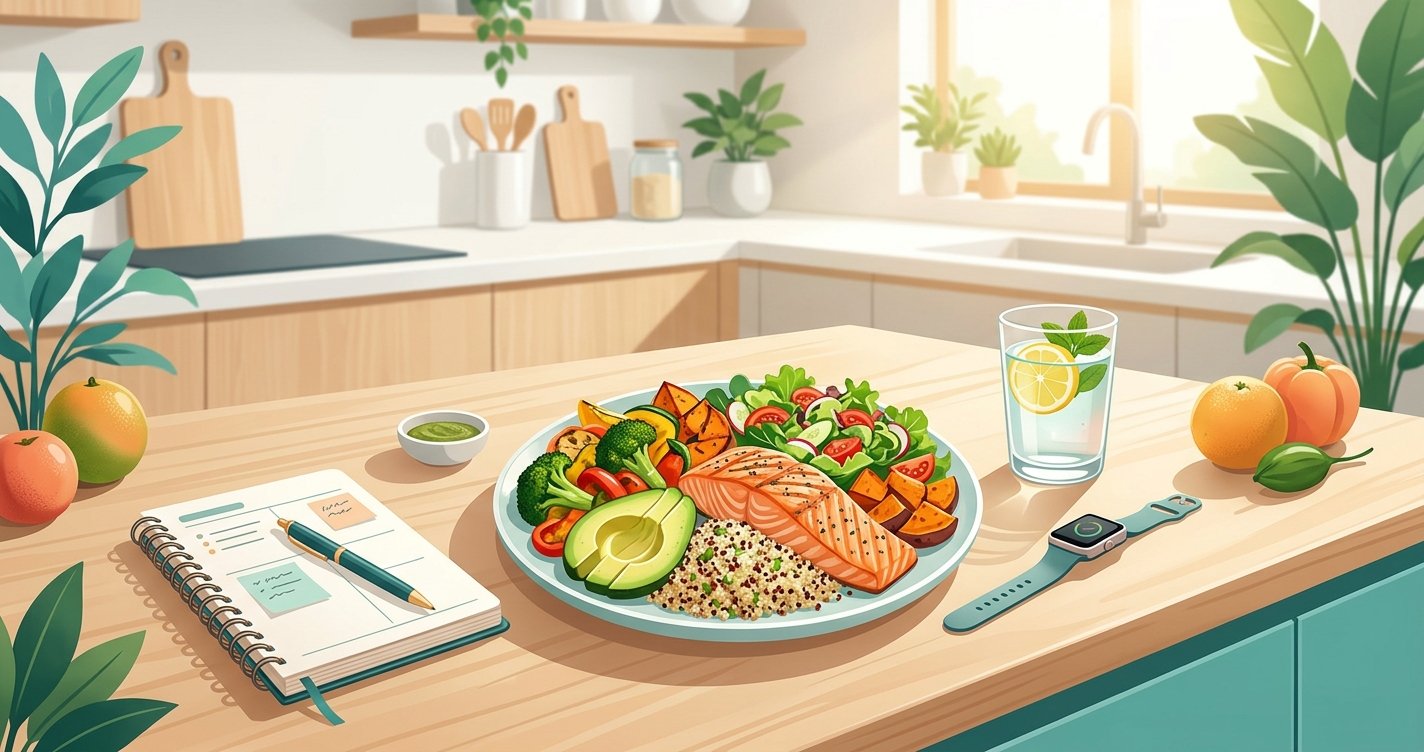
When it comes to fat loss, the phrase 'eat less, move more' often gets thrown around. While fundamentally true, it’s also an oversimplification that leaves many feeling frustrated, deprived, and ultimately unsuccessful. True, sustainable fat loss isn't just about eating less; it's about eating smarter, understanding your body, and creating a calorie deficit in a way that feels manageable and nourishing. This isn't a crash diet; it's a lifestyle shift designed for lasting results.
Let's dive deep into the science and practical strategies behind creating a calorie deficit that supports your energy levels, preserves muscle, and helps you shed fat for good, without feeling like you're constantly fighting hunger or sacrificing your favorite foods. Get ready to transform your approach to fat loss! this excellent wellness product
What Exactly *Is* a Calorie Deficit? The Basics Explained
At its core, a calorie deficit simply means consuming fewer calories than your body burns over a period. Think of your body as a car and calories as fuel. If you put in less fuel than the car needs to run its daily errands, it will eventually have to tap into its reserve tank. For your body, that 'reserve tank' is stored fat.
- Total Daily Energy Expenditure (TDEE): This is the total number of calories your body burns in a day. It's made up of several components:
- Basal Metabolic Rate (BMR): The calories your body burns just to keep you alive (breathing, circulation, brain function) at rest.
- Thermic Effect of Food (TEF): Calories burned digesting and absorbing food.
- Non-Exercise Activity Thermogenesis (NEAT): Calories burned from daily activities that aren't formal exercise (walking around, fidgeting, cleaning).
- Exercise Activity Thermogenesis (EAT): Calories burned during structured exercise.
To create a deficit, you either reduce your caloric intake, increase your TDEE through more movement, or (most effectively) do a combination of both. The goal is to find that sweet spot where you're consistently burning more than you're consuming.
Why Sustainability is Key: Beyond Crash Diets and Quick Fixes
We've all seen the headlines promising rapid fat loss. While enticing, these extreme approaches often lead to a miserable experience, muscle loss (not just fat!), and the dreaded 'rebound effect' where you regain all the lost weight, sometimes even more. This isn't just frustrating; it can negatively impact your metabolism and relationship with food.
A sustainable calorie deficit is one that allows you to make gradual, consistent progress without feeling constantly deprived or exhausted. It's about making changes you can stick with for months, not just weeks. This approach prioritizes preserving lean muscle mass (which is metabolically active and helps burn more calories at rest) and ensuring adequate nutrient intake for overall health. Slow and steady wins the race, and keeps the fat off for good.
The Pillars of a Sustainable Calorie Deficit: Eating Smarter, Not Just Less
Creating a deficit doesn't mean eating tiny portions of bland food. It means making strategic food choices that maximize satiety, nutrient density, and enjoyment.
Prioritize Protein
Protein is your secret weapon for fat loss. Research consistently shows that higher protein intake:
- Increases Satiety: Protein keeps you feeling fuller for longer, reducing the urge to snack unnecessarily.
- Preserves Muscle: When in a deficit, your body can break down muscle for energy. Adequate protein helps protect your lean mass.
- Boosts Metabolism: Protein has a higher thermic effect than carbs or fats, meaning your body burns more calories digesting it.
Aim for 0.7-1 gram of protein per pound of your target body weight daily, distributed across your meals. Think lean meats, poultry, fish, eggs, dairy, legumes, and protein supplements.
Embrace Fiber-Rich Foods
Fiber is another powerful ally. Found in fruits, vegetables, whole grains, and legumes, fiber:
- Adds Volume: Fiber-rich foods take up more space in your stomach, contributing to feelings of fullness without adding many calories.
- Slows Digestion: This helps stabilize blood sugar levels, preventing energy crashes and cravings.
- Supports Gut Health: A healthy gut is increasingly linked to overall metabolic health and weight management.
Load up your plate with colorful vegetables at every meal, choose whole fruits over juices, and opt for whole grains like oats, quinoa, and brown rice.
Smart Fat Choices
Don't fear fats! While calorie-dense, healthy fats are essential for hormone production, nutrient absorption, and satiety. The key is moderation and choosing the right kinds.
- Focus on Unsaturated Fats: Avocados, nuts, seeds, olive oil, and fatty fish (like salmon) provide crucial omega-3s and monounsaturated fats.
- Limit Saturated and Trans Fats: These are often found in processed foods and can contribute to inflammation and poor health outcomes.
A small amount of healthy fat at each meal can significantly improve satiety and nutrient absorption.
Hydration, Hydration, Hydration!
Often overlooked, adequate water intake plays a crucial role in fat loss. Water:
- Can Reduce Hunger: Sometimes, thirst is mistaken for hunger. Drinking water before meals can help you eat less.
- Supports Metabolism: Every cellular process in your body, including fat burning, requires water.
- Aids Digestion and Nutrient Transport: Essential for overall bodily function.
Aim for at least 8-10 glasses of water daily, and more if you're active or in a hot climate.
Practical Strategies to Implement Your Deficit Without Feeling Deprived
Knowing what to eat is one thing; putting it into practice is another. Here are actionable tips:
Mindful Eating and Portion Control
Before you even think about tracking calories, practice mindful eating. Pay attention to your hunger and fullness cues. Eat slowly, savor your food, and put down your fork between bites. This gives your body time to register satiety. Visually learn what a proper portion size looks like for different foods (e.g., a deck of cards for protein, a cupped hand for carbs).
The Power of Home Cooking
When you cook at home, you have complete control over ingredients and portion sizes. Restaurant meals often contain hidden calories, unhealthy fats, and excessive sodium. Dedicate time each week to meal prep, cooking in bulk, or simply planning your meals to minimize reliance on takeout or processed foods.
Don't Forget Non-Exercise Activity Thermogenesis (NEAT)
While structured workouts are great, your NEAT can significantly contribute to your daily calorie burn. Simple changes like taking the stairs, parking further away, walking during phone calls, or fidgeting more can add up. Aim for more movement throughout your day, not just during your gym session.
Strategic Snacking
If you need to snack, make it count. Instead of reaching for processed chips or cookies, opt for nutrient-dense, protein- and fiber-rich options. Think Greek yogurt with berries, a handful of almonds, apple slices with peanut butter, or vegetable sticks with hummus. These can help bridge the gap between meals and prevent overeating at your next meal.
Tracking Your Progress (Without Obsessing)
While 'eating less' is the simplified advice, for many, tracking calories and macros (protein, carbs, fats) is an incredibly effective tool, especially in the beginning. It provides valuable insight into your eating habits and helps you understand where your calories are truly coming from.
- Use a Tracking App: Apps like MyFitnessPal or Cronometer can help you log your food and give you a clear picture of your intake.
- Aim for a Moderate Deficit: A deficit of 300-500 calories below your TDEE is generally recommended for sustainable fat loss (1-2 pounds per week). You can estimate your TDEE using online calculators, but remember these are just estimates.
- Beyond the Scale: Don't let the scale be your only measure of success. Take progress photos, measure your waist and hips, and pay attention to how your clothes fit and how your energy levels feel. Muscle gain can sometimes mask fat loss on the scale.
Remember, tracking is a tool, not a life sentence. Once you've developed a better understanding of portion sizes and calorie content, you might find you can intuitively eat within your deficit.
Troubleshooting and Sticking With It
Fat loss isn't a linear journey. There will be plateaus, setbacks, and days when motivation wanes. That's perfectly normal!
- Be Patient and Consistent: Sustainable fat loss takes time. Stick to your plan consistently, even when results seem slow.
- Adjust as Needed: If you hit a plateau, reassess your intake and activity. Your TDEE decreases as you lose weight, so you might need to slightly reduce calories or increase activity.
- Prioritize Sleep: Lack of sleep can disrupt hunger hormones (ghrelin and leptin) and increase cravings, making adherence to a deficit incredibly difficult. Aim for 7-9 hours of quality sleep.
- Manage Stress: Chronic stress can elevate cortisol levels, which can promote fat storage, especially around the midsection. Find healthy ways to manage stress, such as meditation, yoga, or spending time in nature.
- Allow for Flexibility: Don't aim for perfection. An occasional treat or a planned 'refeed' day can help prevent burnout and make the process more enjoyable and sustainable in the long run.
Your Sustainable Fat Loss Journey Starts Now!
Creating a calorie deficit for lasting fat loss is about more than just counting numbers. It's about empowering yourself with knowledge, making smart food choices, incorporating consistent movement, and fostering a positive relationship with your body. By focusing on nutrient-dense foods, prioritizing protein and fiber, staying hydrated, and being mindful, you can achieve your fat loss goals without feeling deprived.
Remember, this is your journey. Be kind to yourself, celebrate small victories, and stay consistent. You have the power to transform your health and achieve the lasting results you deserve!