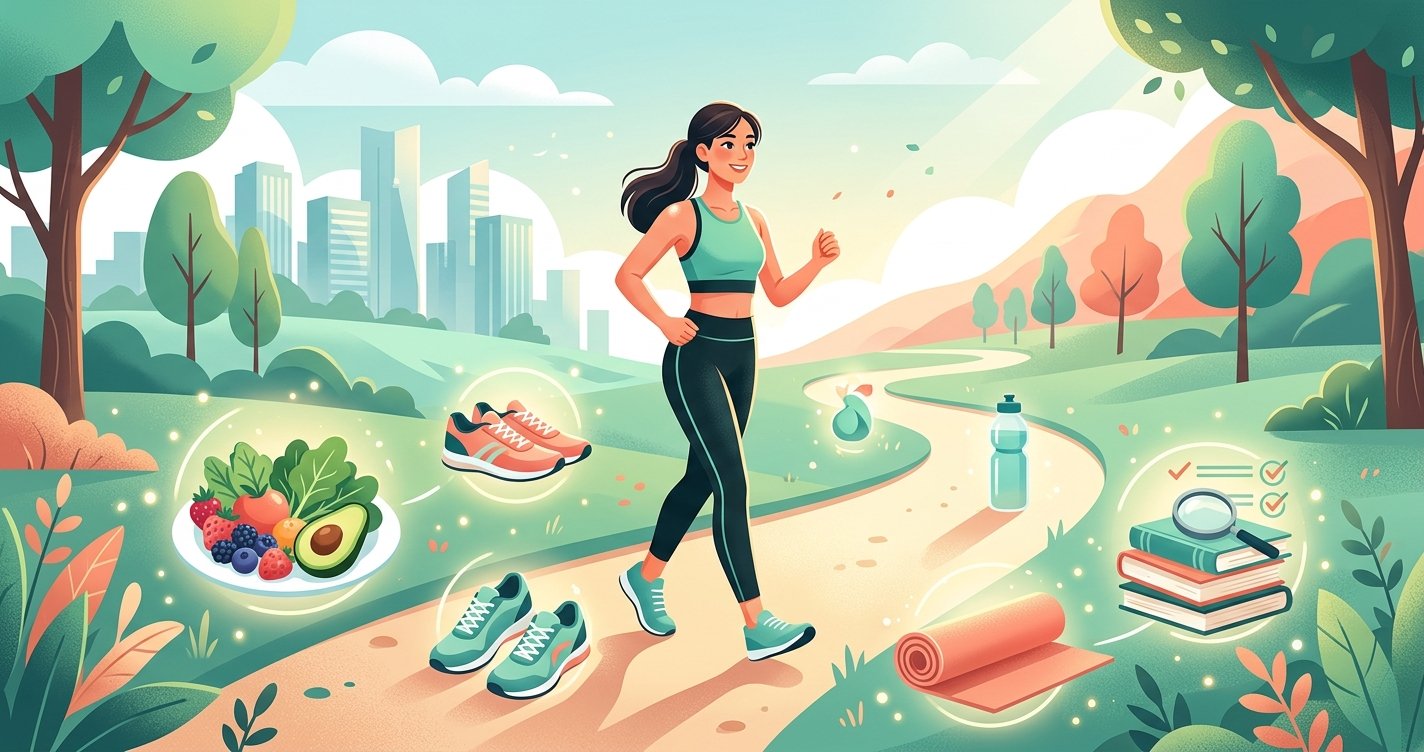
The Endless Cycle: Why Quick Fixes Fail and Sustainability Wins
We've all been there: scrolling through social media, bombarded by promises of rapid fat loss, extreme diets, and 'miracle' supplements. The allure of a quick fix is powerful, but the reality often falls short, leaving us frustrated, demotivated, and often heavier than when we started. The truth? Sustainable fat loss isn't about deprivation or overnight transformations; it's about building healthy, evidence-based habits that support your body and mind for the long haul. This isn't just about the number on the scale; it's about fostering genuine health, boosting your energy, and cultivating a lifestyle you can truly enjoy.
In this comprehensive, friendly, and evidence-based guide, we'll dive deep into the real strategies that work. Forget the fads. We're talking about practical, actionable steps rooted in science, designed to help you achieve lasting fat loss without sacrificing your sanity or your favorite foods entirely. Let's embark on this journey together! this excellent wellness product
Understanding the Foundation: What Sustainable Fat Loss Really Means
Before we jump into the 'how,' let's clarify the 'what.' Sustainable fat loss is a process where your body gradually loses excess body fat while maintaining muscle mass, improving metabolic health, and fostering a positive relationship with food and exercise. It's not a race; it's a marathon. This approach emphasizes:
- Consistency over Perfection: Small, consistent efforts yield greater results than sporadic, extreme ones.
- Health First: Prioritizing overall well-being, not just a number.
- Habit Formation: Building routines that become second nature.
- Flexibility: Allowing for life's inevitable deviations without derailing your progress.
The core principle is creating a modest caloric deficit – consuming slightly fewer calories than your body burns – but doing so in a way that nourishes your body and supports long-term adherence.
Fueling Your Body for Success: The Nutrition Blueprint
Nutrition is arguably the most critical component of fat loss. It’s not about eating less; it’s about eating smart.
The Undisputed King: Protein for Satiety and Muscle Preservation
If there's one nutrient to prioritize, it's protein. Research consistently shows that a higher protein intake is incredibly beneficial for fat loss. Why?
- Satiety: Protein is the most satiating macronutrient, meaning it keeps you feeling fuller for longer, reducing overall calorie intake.
- Thermogenic Effect: Your body burns more calories digesting protein compared to fats or carbohydrates.
- Muscle Preservation: When in a calorie deficit, adequate protein helps prevent muscle loss, which is crucial for maintaining a healthy metabolism.
Aim for 0.7-1 gram of protein per pound of body weight daily, distributed across your meals. Excellent sources include lean meats, poultry, fish, eggs, dairy, legumes, and protein supplements.
Smart Carbohydrate Choices: Energy Without the Crash
Carbohydrates are not the enemy! They are your body's primary energy source. The key is choosing the right types. Opt for complex carbohydrates rich in fiber, which digest slowly, provide sustained energy, and help regulate blood sugar levels.
- Whole Grains: Oats, quinoa, brown rice, whole-wheat bread.
- Fruits: Berries, apples, bananas (in moderation).
- Vegetables: Leafy greens, broccoli, sweet potatoes.
Limit highly processed, refined carbohydrates like sugary drinks, pastries, and white bread, which can lead to energy crashes and increased cravings.
Embracing Healthy Fats: Essential for Hormones and Fullness
Healthy fats are vital for hormone production, nutrient absorption, and overall cellular function. They also contribute to satiety, helping you feel satisfied after meals. Don't fall into the trap of extremely low-fat diets.
- Monounsaturated Fats: Avocados, olive oil, nuts.
- Polyunsaturated Fats: Fatty fish (salmon, mackerel), flaxseeds, walnuts.
While healthy, fats are calorie-dense, so portion control is important. A small handful of nuts or a drizzle of olive oil goes a long way.
The Calorie Deficit: A Gentle Approach
Ultimately, fat loss requires consuming fewer calories than you burn. However, this doesn't mean drastic cuts. A moderate deficit of 300-500 calories per day is generally sustainable and effective. This allows your body to adapt without triggering extreme hunger, energy crashes, or metabolic slowdowns often associated with very low-calorie diets. Use online calculators as a starting point, but pay attention to your body's hunger cues and energy levels.
Moving Your Body Smartly: Exercise for Lasting Change
Exercise isn't just about burning calories in the moment; it's about building a stronger, more metabolically active body.
Strength Training: Your Metabolic Supercharger
If you're serious about sustainable fat loss, strength training is non-negotiable. Lifting weights or using bodyweight exercises builds and preserves muscle mass. Why is this so crucial?
- Increased Resting Metabolism: Muscle tissue burns more calories at rest than fat tissue. More muscle means a higher metabolism, making it easier to maintain your fat loss.
- Improved Body Composition: Even if the scale doesn't move much, you'll look leaner and more toned as you replace fat with muscle.
- Enhanced Insulin Sensitivity: Strength training helps your body use glucose more effectively, which is vital for metabolic health.
Aim for 2-4 strength training sessions per week, focusing on compound movements that work multiple muscle groups.
Cardio That Counts: Heart Health and Energy Expenditure
Cardiovascular exercise is excellent for heart health, endurance, and contributes to your overall calorie expenditure. The best cardio for fat loss is the one you enjoy and will do consistently.
- Moderate Intensity Steady State (MISS): Walking, jogging, cycling for longer durations (30-60 minutes).
- High-Intensity Interval Training (HIIT): Short bursts of intense exercise followed by brief recovery periods. HIIT can be time-efficient and effective for calorie burn and improving fitness.
Incorporate 150-300 minutes of moderate-intensity cardio or 75-150 minutes of vigorous-intensity cardio per week.
NEAT: The Unsung Hero of Daily Movement
Non-Exercise Activity Thermogenesis (NEAT) refers to the calories you burn through everyday activities outside of structured exercise – walking, fidgeting, taking the stairs, cleaning. Increasing your NEAT can significantly contribute to your daily calorie expenditure without feeling like a workout.
- Take the stairs instead of the elevator.
- Park further away.
- Walk or bike for short errands.
- Stand more, sit less.
These small changes add up over time and create a more active lifestyle.
Beyond Diet and Exercise: The Holistic Approach
Fat loss isn't just about what you eat and how you move; it's deeply intertwined with your overall lifestyle.
The Power of Sleep: Rest for Results
Sleep is often overlooked but profoundly impacts your ability to lose fat. Insufficient sleep disrupts hormones that regulate hunger and satiety:
- Ghrelin (Hunger Hormone): Increases with lack of sleep, making you feel hungrier.
- Leptin (Satiety Hormone): Decreases with lack of sleep, reducing feelings of fullness.
- Cortisol (Stress Hormone): Elevated cortisol from poor sleep can promote fat storage, especially around the belly.
Aim for 7-9 hours of quality sleep per night. Establish a consistent sleep schedule, create a relaxing bedtime routine, and optimize your sleep environment.
Taming Stress: Cortisol's Role in Fat Storage
Chronic stress, like chronic sleep deprivation, leads to elevated cortisol levels. High cortisol can increase appetite, promote cravings for unhealthy foods, and contribute to visceral fat accumulation (belly fat). Finding effective ways to manage stress is crucial:
- Meditation and mindfulness
- Yoga or deep breathing exercises
- Spending time in nature
- Engaging in hobbies you enjoy
- Connecting with loved ones
Prioritize stress reduction as a key component of your fat loss journey.
Hydration: Simple Yet Profound
Water is essential for countless bodily functions, including metabolism. Staying well-hydrated can:
- Boost Metabolism: Water is involved in all metabolic processes.
- Reduce Appetite: Sometimes thirst is mistaken for hunger. Drinking water before meals can help you eat less.
- Improve Energy Levels: Dehydration can lead to fatigue, making it harder to stay active.
Aim for 8 glasses (around 2 liters) of water daily, and more if you're exercising or in a hot climate.
Cultivating a Winning Mindset: Patience, Consistency, and Self-Compassion
The mental game is just as important as the physical. Sustainable fat loss requires a shift in mindset.
- Patience is Paramount: Fat loss is a slow, non-linear process. There will be plateaus and setbacks. Don't get discouraged by daily fluctuations on the scale; focus on the long-term trend.
- Celebrate Non-Scale Victories: Notice improvements in energy, strength, sleep, mood, clothes fitting better, or better food choices. These are huge indicators of progress.
- Consistency, Not Perfection: It's better to be 80% consistent 100% of the time than 100% perfect 20% of the time. If you have an off day, don't throw in the towel. Get back on track with your next meal or workout.
- Self-Compassion: Be kind to yourself. Fat loss can be challenging, and self-criticism only makes it harder. Treat yourself with the same encouragement you'd offer a friend.
- Track Progress: While the scale isn't the only metric, tracking food intake, workouts, and body measurements can provide valuable feedback and help you identify what's working and what needs adjustment.
Your Journey to Lasting Fat Loss Starts Now
Sustainable fat loss isn't a destination; it's a journey of continuous learning, adaptation, and self-improvement. By focusing on evidence-based nutrition, smart exercise, and holistic lifestyle factors like sleep and stress management, you're not just losing fat – you're building a healthier, stronger, and more vibrant you.
Remember, small, consistent changes accumulate into remarkable results. Start with one or two habits from this guide that resonate most with you, master them, and then gradually add more. Be patient, be persistent, and most importantly, be kind to yourself. Your body will thank you for choosing the path of sustainability over the illusion of the quick fix. You have the power to transform your health and achieve lasting fat loss – one healthy habit at a time.