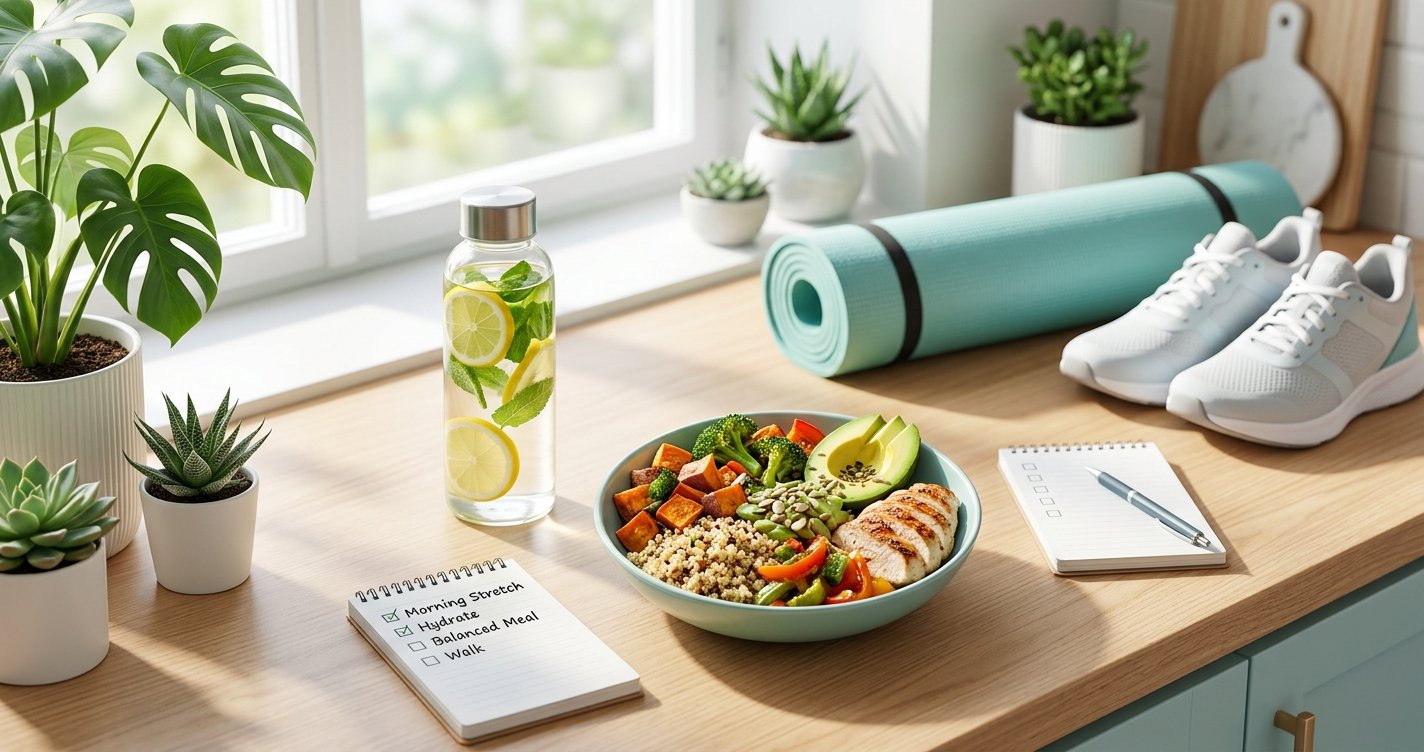
Beyond the Quick Fix: Building Sustainable Habits for Lasting Fat Loss
Are you tired of the endless cycle of dieting, losing weight, only to gain it back (and sometimes more)? You’re not alone. The journey to fat loss can feel like a frustrating rollercoaster, often because we’re sold on quick fixes and extreme measures that are simply unsustainable. But what if there was a different path? A path focused not on deprivation, but on building healthy, enjoyable habits that lead to lasting results?
This isn't about a crash diet or a magic pill. It's about empowering you with evidence-based strategies to cultivate a lifestyle that naturally supports fat loss and overall well-being. We’ll explore the foundational pillars of sustainable fat loss, helping you ditch the yo-yo effect for good and embrace a healthier, happier you. this excellent wellness product
The Problem with Quick Fixes: Why Diets Fail Long-Term
The allure of rapid fat loss is powerful. Whether it's a 30-day detox, a super-restrictive diet, or a grueling workout challenge, these quick fixes often promise dramatic results. And while they might deliver initial weight loss, they rarely lead to sustainable fat loss. Why?
- Unsustainability: Extreme restrictions are hard to maintain. Eventually, willpower wanes, and you revert to old habits, often with a rebound effect.
- Metabolic Adaptation: Very low-calorie diets can slow your metabolism as your body tries to conserve energy, making it harder to lose weight and easier to regain it.
- Nutritional Deficiencies: Restrictive diets often cut out entire food groups, leading to a lack of essential nutrients and potential health issues.
- Psychological Toll: Constant hunger, deprivation, and guilt can lead to disordered eating patterns, anxiety, and a negative relationship with food and your body.
True, sustainable fat loss isn't about a temporary sprint; it's about a lifelong marathon of small, consistent improvements.
Foundational Pillar 1: Smart Nutrition, Not Deprivation
Nutrition is paramount for fat loss, but it doesn't mean eating only salads or feeling constantly hungry. It means making smart, sustainable choices that nourish your body.
Understanding Your Calorie Baseline
At its core, fat loss requires a calorie deficit – consuming slightly fewer calories than your body burns. This doesn't mean drastic cuts! Start by estimating your Total Daily Energy Expenditure (TDEE) and aim for a modest deficit of 300-500 calories per day. This allows for steady, sustainable fat loss (typically 1-2 pounds per week) without slowing your metabolism too much or leaving you feeling deprived.
Prioritize Protein
Protein is your secret weapon for fat loss. It's incredibly satiating, meaning it helps you feel fuller for longer, reducing overall calorie intake. Furthermore, adequate protein intake is crucial for preserving muscle mass during a calorie deficit. Muscles are metabolically active, burning more calories at rest than fat, so maintaining them is key for a healthy metabolism. Aim for 0.7-1 gram of protein per pound of body weight.
Embrace Whole Foods
Focus on nutrient-dense, whole foods like lean meats, fish, eggs, fruits, vegetables, whole grains, and healthy fats. These foods are packed with vitamins, minerals, and fiber, which aid digestion, promote satiety, and provide sustained energy. Minimizing highly processed foods, sugary drinks, and excessive unhealthy fats will naturally reduce your calorie intake and improve overall health.
Hydration is Key
Often overlooked, drinking enough water is vital. Water helps with metabolism, can reduce hunger signals (sometimes we mistake thirst for hunger!), and supports overall bodily functions. Aim for 8-10 glasses of water daily.
Foundational Pillar 2: Move Your Body Joyfully & Strategically
Exercise isn't just about burning calories; it's about building a stronger, healthier, and more capable body that supports sustainable fat loss.
Strength Training: Your Fat-Loss Secret Weapon
If you're not lifting weights, you're missing out on one of the most effective tools for fat loss. Strength training builds and preserves muscle mass, which boosts your resting metabolism. The more muscle you have, the more calories you burn even when you're not exercising! Aim for 2-4 sessions of full-body strength training per week, focusing on compound movements like squats, deadlifts, presses, and rows.
Cardio for Heart Health and Calorie Burn
Cardiovascular exercise, like brisk walking, jogging, cycling, or swimming, is excellent for heart health and contributes to your daily calorie burn. Find activities you genuinely enjoy. Whether it's high-intensity interval training (HIIT) or steady-state cardio, consistency is more important than intensity. Aim for 150-300 minutes of moderate-intensity cardio per week.
NEAT: The Unsung Hero of Daily Activity
NEAT stands for Non-Exercise Activity Thermogenesis – all the calories you burn from daily movements that aren't formal exercise. Think walking to work, taking the stairs, fidgeting, gardening, or cleaning. Increasing your NEAT can significantly contribute to your total daily energy expenditure. Simple changes like standing more, taking frequent short walks, or parking further away can make a big difference over time.
Foundational Pillar 3: Master Recovery & Mindset
Fat loss isn't just about what you eat and how you move; it's profoundly influenced by how you recover and how you think about your journey.
The Power of Quality Sleep
Lack of sleep can sabotage your fat loss efforts. When you're sleep-deprived, your body produces more ghrelin (the hunger hormone) and less leptin (the satiety hormone), leading to increased cravings, especially for high-carb, high-fat foods. It also elevates cortisol, a stress hormone that can promote fat storage, particularly around the belly. Aim for 7-9 hours of quality sleep per night.
Tame Your Stress
Chronic stress, like lack of sleep, increases cortisol levels. Elevated cortisol can lead to increased appetite, cravings, and the preferential storage of fat around the abdominal area. Find healthy ways to manage stress, such as meditation, yoga, spending time in nature, journaling, or engaging in hobbies. Emotional eating is a common response to stress; learning to identify and manage these triggers is crucial.
Cultivate a Growth Mindset
Fat loss is a journey, not a destination. There will be good days and bad days, plateaus, and setbacks. A growth mindset encourages you to view these challenges as opportunities for learning and growth, rather than failures. Be patient with yourself, practice self-compassion, and focus on consistency over perfection. Celebrate small victories and remember why you started.
Building Your Personalized Sustainable Plan
Now that you understand the pillars, how do you put it all into practice?
- Start Small, Build Gradually: Don't overhaul everything at once. Pick one or two habits to focus on each month. For example, start by adding more protein to each meal, then introduce 2 strength training sessions a week.
- Track Progress, Not Just the Scale: While the scale can be a tool, it doesn't tell the whole story. Track other metrics like energy levels, sleep quality, strength gains, how your clothes fit, and even your mood.
- Be Flexible and Forgiving: Life happens. You'll miss a workout, or have an indulgent meal. Don't let one slip-up derail your entire journey. Acknowledge it, learn from it, and get back on track with your next meal or workout.
- Seek Support: Whether it's a friend, family member, a coach, or an online community, having support can make a huge difference in staying motivated and accountable.
Embrace the Journey to Lasting Fat Loss
Sustainable fat loss isn't about a fleeting moment of perfection; it's about a lifelong commitment to small, consistent, healthy choices that accumulate over time. By focusing on smart nutrition, joyful movement, quality sleep, and a resilient mindset, you're not just losing fat – you're building a healthier, happier, and more vibrant life. Ditch the quick fixes and embrace the power of sustainable habits. Your future self will thank you.