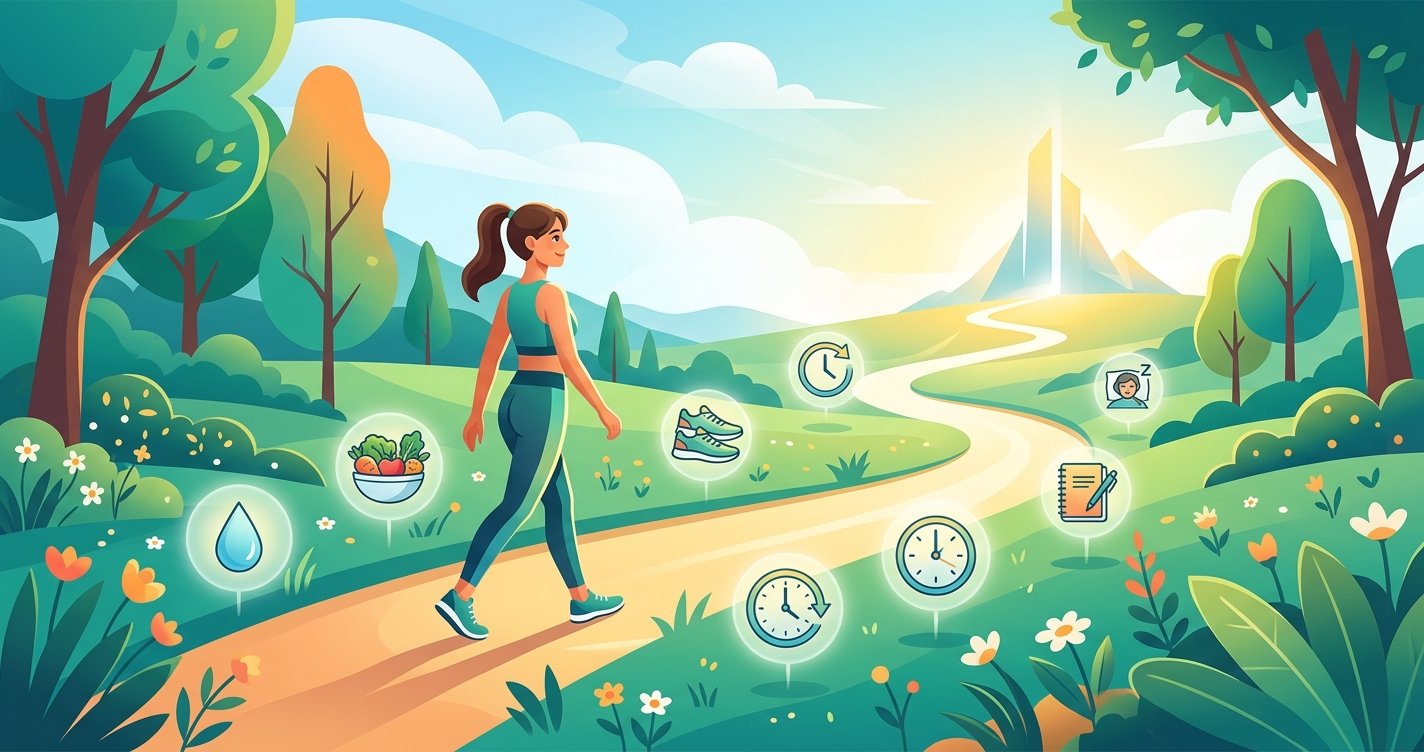
Beyond the Quick Fix: Building Sustainable Habits for Lasting Fat Loss
We’ve all been there: chasing the latest diet fad, hoping for a magic pill, or embarking on an extreme workout regimen only to find ourselves back where we started (or even further behind) a few months later. The cycle of yo-yo dieting and temporary fixes is not only frustrating but also detrimental to our long-term health and well-being. If you’re tired of the rollercoaster and ready for real, lasting change, it’s time to shift your focus from quick fixes to sustainable habits.
Lasting fat loss isn't about deprivation or punishment; it's about making small, consistent changes that you can maintain for life. It’s about understanding your body, fueling it wisely, and moving it joyfully. In this post, we'll explore evidence-based strategies and practical habits that empower you to achieve your fat loss goals sustainably, without sacrificing your sanity or your favorite foods. Let’s ditch the temporary fixes and build a foundation for a healthier, happier you! this excellent wellness product
Understanding the Foundation: The Calorie Deficit
At its core, fat loss boils down to a fundamental principle: consuming fewer calories than your body expends. This is known as creating a 'calorie deficit.' While it sounds simple, the art lies in achieving this deficit in a way that is sustainable, nourishing, and doesn't leave you feeling deprived or run down.
What is a Calorie Deficit?
Think of your body as an engine. It needs fuel (calories from food and drink) to perform all its functions, from breathing and thinking to exercising and digesting. Your 'Total Daily Energy Expenditure' (TDEE) is the total number of calories your body burns in a day. To lose fat, you need to consistently eat less than your TDEE. When you do, your body taps into its stored energy reserves – primarily body fat – to make up the difference.
Why Sustainability Matters Here
Many crash diets push for extreme calorie deficits, promising rapid weight loss. While the scale might drop quickly initially, this approach is rarely sustainable. Extreme deficits can lead to:
- Muscle Loss: Your body may break down muscle for energy, which is counterproductive for fat loss as muscle burns more calories at rest.
- Metabolic Slowdown: Your metabolism can adapt to severe restriction, making it harder to lose weight over time.
- Nutrient Deficiencies: Limiting food groups can lead to missing essential vitamins and minerals.
- Increased Hunger & Cravings: Making adherence incredibly difficult and often leading to rebound weight gain.
A moderate, consistent calorie deficit (typically 300-500 calories below your TDEE) is the sweet spot for sustainable fat loss. It allows for steady progress without the negative side effects of extreme restriction.
Fueling Your Body Smart: Nutrition Habits for Success
Once you understand the calorie deficit, the next step is optimizing your nutrition within that framework. It's not just about eating less; it's about eating smarter.
Prioritize Protein: Your Satiety Superstar
If there's one macronutrient to focus on for fat loss, it's protein. Here's why:
- Satiety: Protein is incredibly filling, helping you feel fuller for longer and reducing overall calorie intake.
- Thermic Effect: Your body uses more energy to digest protein compared to carbs or fats, slightly increasing your calorie burn.
- Muscle Preservation: Adequate protein intake is crucial for preserving lean muscle mass, especially when in a calorie deficit.
Aim for 0.7-1 gram of protein per pound of your target body weight daily. Incorporate lean protein sources like chicken breast, fish, eggs, Greek yogurt, legumes, and tofu into every meal.
Embrace Whole Foods: The Nutrient Density Advantage
While you can technically lose weight eating only processed foods within a calorie deficit, it's not optimal for health or sustainability. Whole, unprocessed foods are packed with vital nutrients and fiber:
- Fiber: Found in fruits, vegetables, and whole grains, fiber aids digestion, promotes fullness, and helps regulate blood sugar.
- Vitamins & Minerals: Essential for countless bodily functions, including metabolism.
- Lower Calorie Density: Many whole foods (like vegetables) are voluminous and low in calories, allowing you to eat more for fewer calories.
Focus on filling your plate with a variety of colorful vegetables, fruits, lean proteins, and complex carbohydrates like quinoa, brown rice, and sweet potatoes. Limit ultra-processed foods, sugary drinks, and excessive amounts of unhealthy fats.
Hydration: The Often-Overlooked Ally
Don't underestimate the power of water! Staying well-hydrated is essential for overall health and can significantly aid fat loss:
- Satiety: Sometimes, thirst can be mistaken for hunger. Drinking water before meals can help you feel fuller.
- Metabolism: Water is crucial for metabolic processes, ensuring your body functions efficiently.
- Energy Levels: Dehydration can lead to fatigue, making it harder to stick to your exercise routine or make healthy food choices.
Aim for 8-10 glasses of water daily, and even more if you're active or in a hot climate.
Moving Your Body Right: Exercise Habits That Stick
While nutrition is paramount for fat loss, incorporating regular physical activity amplifies your results, improves body composition, and boosts overall health and well-being.
Strength Training: Your Metabolism's Best Friend
If you're only doing cardio, you're missing a huge piece of the fat loss puzzle. Strength training is incredibly beneficial for several reasons:
- Builds Muscle: More muscle mass means a higher resting metabolic rate, meaning you burn more calories even when you're not exercising.
- Body Recomposition: It helps you lose fat while gaining or maintaining muscle, leading to a leaner, more toned physique.
- Bone Density & Strength: Improves overall physical function and reduces injury risk.
Aim for 2-4 strength training sessions per week, focusing on compound movements that work multiple muscle groups. Don't be afraid to lift heavy!
Incorporate NEAT: Move More, Effortlessly
NEAT stands for Non-Exercise Activity Thermogenesis – all the calories you burn from activities that aren't formal exercise. This includes walking, standing, fidgeting, taking the stairs, and even housework. Increasing your NEAT can significantly contribute to your daily calorie expenditure without feeling like a 'workout.'
- Take the stairs instead of the elevator.
- Park further away from your destination.
- Go for a short walk during your lunch break.
- Stand up and stretch every hour if you have a desk job.
- Do household chores more vigorously.
These small movements add up and make a big difference over time.
Find Joy in Movement: Consistency is Key
The best exercise is the one you'll actually do consistently. Don't force yourself into activities you dread. Explore different forms of movement until you find something you genuinely enjoy:
- Dancing, hiking, cycling, swimming, team sports, yoga, martial arts.
When exercise feels like a hobby rather than a chore, you're far more likely to stick with it for the long haul.
Beyond Diet & Exercise: Lifestyle Habits for Holistic Fat Loss
True sustainable fat loss isn't just about what you eat and how you move; it's deeply intertwined with your overall lifestyle. Overlooking these factors can sabotage even the most diligent efforts.
The Power of Sleep: Recover, Restore, Recharge
Sleep is not a luxury; it's a fundamental pillar of health and fat loss. Chronic sleep deprivation can:
- Disrupt Hormones: It increases ghrelin (the hunger hormone) and decreases leptin (the satiety hormone), leading to increased appetite and cravings. It also elevates cortisol (the stress hormone).
- Reduce Energy: Making you less likely to exercise and more prone to reaching for sugary, high-calorie foods for an energy boost.
- Impair Insulin Sensitivity: Affecting how your body processes glucose and stores fat.
Aim for 7-9 hours of quality sleep per night. Establish a consistent sleep schedule, create a relaxing bedtime routine, and optimize your sleep environment.
Stress Management: Taming the Cortisol Beast
Chronic stress triggers the release of cortisol, a hormone that, in excess, can promote fat storage, particularly around the abdomen. Stress also often leads to emotional eating and poor food choices. Learning to manage stress is crucial:
- Practice mindfulness or meditation.
- Engage in hobbies you enjoy.
- Spend time in nature.
- Connect with loved ones.
- Consider journaling or talking to a therapist.
Find healthy outlets for stress rather than turning to food.
Mindful Eating: Connecting with Your Body's Signals
Mindful eating is about paying attention to your food, your body's hunger and fullness cues, and the experience of eating. It helps you eat when you're truly hungry and stop when you're satisfied, preventing overeating.
- Eat slowly, without distractions (no phone, TV).
- Savor each bite, noticing flavors and textures.
- Tune into your body: Are you truly hungry, or just bored, stressed, or thirsty?
- Stop when you're comfortably full, not stuffed.
This practice fosters a healthier relationship with food and helps you make more conscious choices.
The Long Game: Patience, Consistency, and Self-Compassion
Sustainable fat loss is a journey, not a destination. There will be ups and downs, plateaus, and even setbacks. The key is to approach it with patience, unwavering consistency, and a healthy dose of self-compassion.
Track Progress Beyond the Scale
The number on the scale is just one metric and can fluctuate daily due to water retention, muscle gain, or bowel movements. Look at the bigger picture:
- Measurements: Track your waist, hips, and other body parts.
- Progress Photos: Visual changes can be incredibly motivating.
- How Your Clothes Fit: A great indicator of body composition changes.
- Strength & Energy Levels: Are you getting stronger? Do you have more energy throughout the day?
- Mood & Sleep Quality: Improved well-being is a huge win!
Handle Setbacks with Grace
A 'slip-up' is not a failure; it's an opportunity to learn. If you overeat at a party or miss a workout, don't let it derail your entire journey. Acknowledge it, understand what triggered it (if possible), and get back on track with your next meal or workout. Don't let one bad day turn into a bad week.
Build a Support System
You don't have to do this alone. Share your goals with friends or family who can offer encouragement and accountability. Consider working with a coach or joining a supportive community. Having people in your corner can make a significant difference in staying motivated.
Conclusion
Achieving lasting fat loss isn't about chasing temporary diets; it's about cultivating a collection of healthy, sustainable habits that nourish your body, strengthen your mind, and invigorate your spirit. By focusing on a moderate calorie deficit, prioritizing protein and whole foods, embracing strength training and joyful movement, and optimizing your sleep and stress management, you're building a foundation for success that extends far beyond the scale.
Remember, consistency trumps intensity. Small, repeatable actions performed daily will always yield greater, more enduring results than sporadic, extreme efforts. Be patient with yourself, celebrate every small victory, and approach your journey with kindness and determination. Your body will thank you for it, and you’ll discover a healthier, more vibrant you that lasts a lifetime.