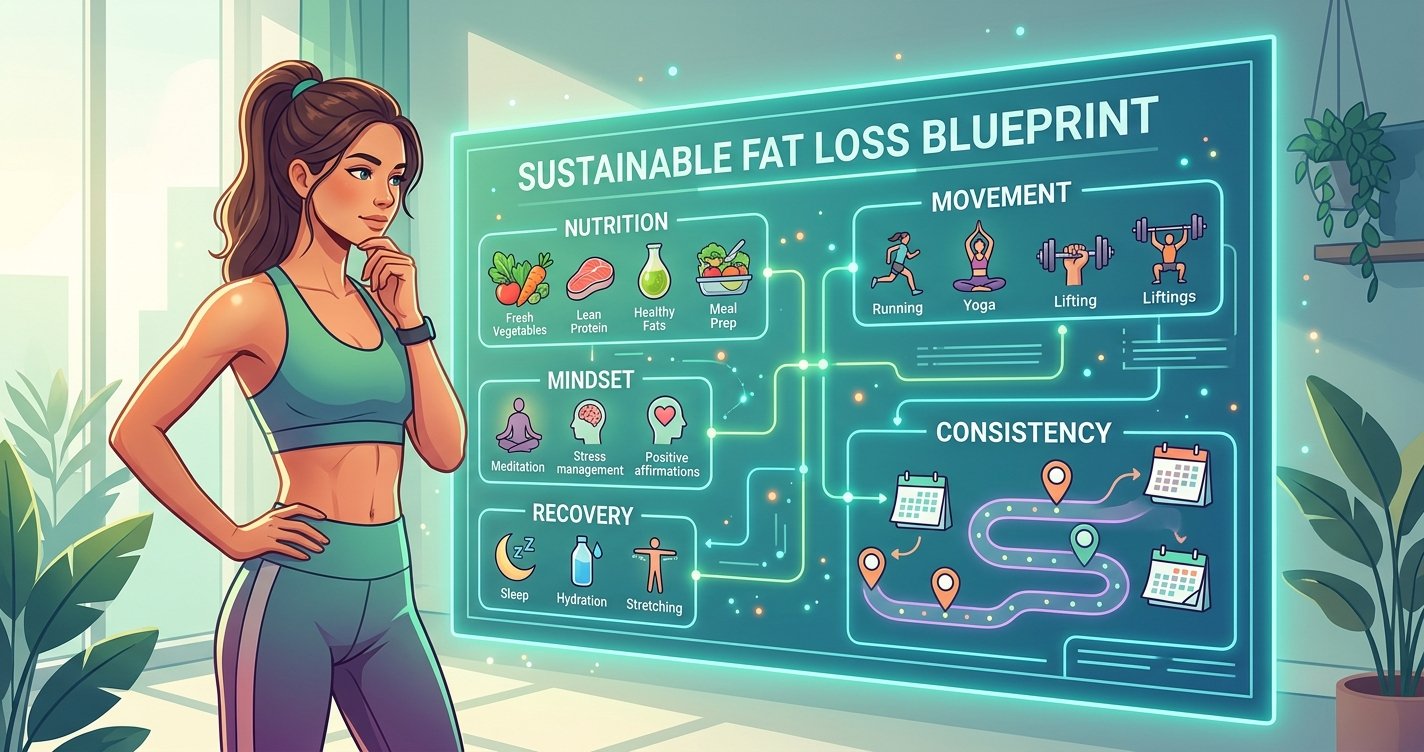
Beyond Quick Fixes: Your Blueprint for Sustainable Fat Loss
Have you ever felt caught in the endless cycle of trying to lose weight, only for the results to disappear as quickly as they arrived? You're not alone. The world is full of fad diets and extreme workout plans promising rapid fat loss, but true, lasting change comes from building sustainable habits, not chasing fleeting trends. This isn't about deprivation or punishment; it's about understanding your body, making informed choices, and fostering a lifestyle that supports your health and well-being in the long run. Let's ditch the quick fixes and build a blueprint for fat loss that actually lasts!
Understanding the Foundation: A Smart Calorie Deficit
At its core, fat loss boils down to one fundamental principle: consuming fewer calories than your body burns. This is known as a calorie deficit. However, the key word here is smart. Starving yourself or adopting an overly restrictive diet is not only unsustainable but can also be detrimental to your metabolism, mood, and overall health. this excellent wellness product
A moderate calorie deficit, typically 300-500 calories below your maintenance level, allows for steady fat loss (around 1-2 pounds per week) without triggering your body's survival mechanisms that can slow your metabolism. Think of it as gently nudging your body to tap into its fat stores for energy, rather than shocking it into famine mode. Tools like online TDEE (Total Daily Energy Expenditure) calculators can help you estimate your maintenance calories, giving you a starting point to create your deficit.
Fueling Your Body Right: Nutrition Strategies for Long-Term Success
What you eat is arguably the most critical component of sustainable fat loss. It's not just about calories; it's about nutrient density, satiety, and enjoyment. Here's how to build a plate that supports your goals:
1. Prioritize Protein at Every Meal
- Satiety: Protein is incredibly filling, helping you feel fuller for longer and reducing cravings.
- Muscle Preservation: When in a calorie deficit, adequate protein intake (aim for 0.7-1 gram per pound of body weight) helps protect your precious muscle mass, which is crucial for a healthy metabolism.
- Thermic Effect: Your body burns more calories digesting protein compared to fats or carbohydrates.
- Sources: Lean meats, poultry, fish, eggs, dairy (Greek yogurt, cottage cheese), legumes, tofu, tempeh, protein powder.
2. Embrace Whole, Unprocessed Foods
- Fiber Power: Whole foods like fruits, vegetables, and whole grains are packed with fiber, which aids digestion, promotes satiety, and helps regulate blood sugar.
- Nutrient Density: These foods provide essential vitamins, minerals, and antioxidants, keeping your body functioning optimally even in a deficit.
- Volume Without Calories: Many vegetables are low in calories but high in volume, allowing you to eat satisfying portions without overdoing your calorie intake.
3. Don't Fear Healthy Fats
- Essential Functions: Healthy fats are vital for hormone production, nutrient absorption, and overall cell health.
- Satiety: Like protein, fats contribute to satiety, helping you feel satisfied after meals.
- Sources: Avocados, nuts, seeds, olive oil, fatty fish (salmon, mackerel). Portion control is key here, as fats are calorie-dense.
4. Carbohydrates: Choose Wisely
- Energy Source: Carbohydrates are your body's primary energy source. The key is choosing complex, slow-digesting carbs over refined ones.
- Smart Choices: Opt for oats, quinoa, brown rice, sweet potatoes, and whole-grain breads in appropriate portions. These provide sustained energy and fiber.
- Avoid: Minimize sugary drinks, white bread, pastries, and highly processed snacks, which offer little nutritional value and can lead to energy crashes and cravings.
Moving Your Body: Exercise for Fat Loss and Beyond
While nutrition lays the groundwork, incorporating physical activity amplifies your fat loss efforts and offers a myriad of health benefits. You don't need to spend hours in the gym; consistency and smart choices are what count.
1. Strength Training: Your Metabolism's Best Friend
- Builds Muscle: Muscle tissue burns more calories at rest than fat tissue. The more muscle you have, the higher your resting metabolism.
- Shapes Your Body: Strength training helps sculpt your physique, giving you a toned and strong appearance as you lose fat.
- Benefits: Improved bone density, better functional strength, and enhanced overall quality of life. Aim for 2-4 sessions per week, focusing on compound movements.
2. Cardio: Heart Health and Calorie Burn
- Calorie Expenditure: Cardiovascular exercise directly burns calories, contributing to your deficit.
- Heart Health: It strengthens your heart and lungs, improving endurance and overall cardiovascular health.
- Variety: Choose activities you enjoy – brisk walking, jogging, cycling, swimming, dancing. Aim for 150-300 minutes of moderate-intensity cardio per week.
3. NEAT: The Unsung Hero of Daily Activity
NEAT (Non-Exercise Activity Thermogenesis) refers to the calories burned through everyday movements that aren't formal exercise. Think walking to work, taking the stairs, fidgeting, or doing household chores. Increasing your NEAT can significantly boost your overall daily calorie expenditure without feeling like a workout. Get a step counter and aim for 8,000-10,000 steps per day!
The Mind-Body Connection: Lifestyle Factors for Lasting Change
Fat loss isn't just about diet and exercise; your lifestyle plays a huge role in your success. Neglecting these areas can sabotage even the best nutrition and workout plans.
1. Prioritize Sleep: The Ultimate Recovery Tool
Lack of sleep disrupts hormones that regulate appetite (ghrelin and leptin), leading to increased hunger and cravings, especially for high-calorie foods. Aim for 7-9 hours of quality sleep per night to support hormonal balance, recovery, and willpower.
2. Stress Management: Taming the Cortisol Beast
Chronic stress elevates cortisol levels, a hormone that can promote fat storage, particularly around the abdomen. Find healthy ways to manage stress, such as meditation, yoga, spending time in nature, or hobbies you enjoy. Your mental well-being is just as important as your physical health.
3. Mindful Eating: Listening to Your Body's Cues
Slow down, savor your food, and pay attention to your hunger and fullness signals. Mindful eating helps you recognize true hunger versus emotional eating, preventing overconsumption and fostering a healthier relationship with food. Put away distractions and truly experience your meals.
Building Your Personalized Plan: Practical Steps
Ready to put it all into action? Here’s how to build a sustainable plan tailored to you:
- Set Realistic Goals: Aim for steady, consistent progress (1-2 lbs per week). Celebrate small victories.
- Track Progress (Beyond the Scale): While the scale is one metric, also consider body measurements, how your clothes fit, strength gains, energy levels, and mood.
- Plan Your Meals: Dedicate time each week to plan your meals and grocery list. This reduces impulse decisions and ensures you have healthy options readily available.
- Stay Hydrated: Drink plenty of water throughout the day. Sometimes, thirst is mistaken for hunger.
- Seek Support: Share your goals with friends or family, consider a coach, or join a supportive community. Accountability can be a powerful motivator.
- Be Patient and Adapt: Fat loss is not linear. There will be plateaus and setbacks. Learn from them, adjust your approach, and keep moving forward. Consistency, not perfection, is the goal.
Your Journey to Lasting Fat Loss Starts Now!
Sustainable fat loss isn't about rigid rules or extreme sacrifices; it's about making consistent, informed choices that build a healthier, happier you. By focusing on a smart calorie deficit, nutrient-dense foods, consistent activity, and prioritizing your overall well-being, you're not just losing weight – you're building a foundation for a lifetime of health. Embrace the journey, be kind to yourself, and trust the process. You've got this!