Tired of the endless cycle of crash diets, rapid weight loss, and frustrating rebound weight gain? You're not alone. Many people embark on a fat loss journey seeking quick results, only to find themselves back where they started, or even further behind. But what if there was a better way? A path that not only helps you shed unwanted fat but also improves your overall health, boosts your energy, and becomes a natural, enjoyable part of your life?
Welcome to the world of sustainable fat loss – a holistic approach focused on lasting lifestyle changes rather than temporary fixes. This isn't about deprivation or extreme measures; it's about understanding your body, making informed choices, and building habits that support your health and well-being for the long run. Get ready to ditch the quick fixes and embrace a blueprint for genuine, lasting transformation! this excellent wellness product
The Myth of the Quick Fix: Why Sustainability Matters
The allure of rapid weight loss is powerful. Advertisements promise dramatic results in weeks, often through restrictive diets, questionable supplements, or grueling workout routines. While these methods might lead to initial drops on the scale, they rarely address the underlying habits and physiological processes that contribute to fat gain. This is why the vast majority of people who lose weight quickly regain it, and often more.
Crash diets, for example, often lead to significant muscle loss alongside fat loss. Muscle is metabolically active tissue, meaning it burns more calories at rest. Losing muscle can actually slow down your metabolism, making it harder to keep weight off in the future. Furthermore, extreme calorie restriction can trigger your body's survival instincts, leading to increased hunger hormones, decreased energy, and an eventual rebound as your body tries to replenish its stores. Sustainable fat loss, in contrast, focuses on gradual, consistent progress that respects your body's natural rhythms and supports your overall health, ensuring you not only lose fat but keep it off.
Fueling Your Body Smartly: Nutrition for Lasting Fat Loss
Nutrition is the cornerstone of any successful fat loss journey. It's not about eating less; it's about eating smarter. Focusing on nutrient-dense, whole foods will keep you feeling full, energized, and satisfied, making adherence much easier.
Prioritize Protein for Satiety and Muscle Preservation
- Why it matters: Protein is crucial for building and repairing tissues, and it's incredibly satiating. Eating enough protein helps you feel fuller for longer, reducing overall calorie intake. It also helps preserve muscle mass, which is vital for a healthy metabolism, especially during a calorie deficit.
- How to do it: Aim for 20-30 grams of protein per meal. Include lean meats, poultry, fish, eggs, dairy, legumes, and plant-based protein sources like tofu and tempeh.
Embrace Whole Foods and Fiber
- Why it matters: Whole foods (fruits, vegetables, whole grains, nuts, seeds) are packed with vitamins, minerals, and fiber. Fiber adds bulk to your meals without adding many calories, promoting satiety and aiding digestion. It also helps stabilize blood sugar levels, preventing energy crashes and cravings.
- How to do it: Fill half your plate with non-starchy vegetables. Choose whole grains like oats, quinoa, and brown rice over refined options. Snack on fruits, nuts, and seeds.
Mindful Eating: Listen to Your Body
- Why it matters: Mindful eating involves paying attention to your body's hunger and fullness cues, savoring your food, and eating without distractions. This helps you recognize when you're truly hungry and when you're satisfied, preventing overeating.
- How to do it: Eat slowly, chew thoroughly, and put your fork down between bites. Pay attention to the flavors, textures, and aromas of your food. Avoid eating in front of screens.
Hydration is Key
- Why it matters: Often overlooked, adequate water intake is vital. Sometimes, thirst can be mistaken for hunger. Staying hydrated supports metabolism, energy levels, and overall bodily functions.
- How to do it: Aim for at least 8 glasses of water a day, more if you're active. Carry a water bottle with you and sip throughout the day.
Moving Your Body Joyfully: Exercise for Health and Fat Loss
Exercise isn't just about burning calories; it's about building strength, improving cardiovascular health, boosting mood, and enhancing your body's ability to burn fat. The key is finding activities you genuinely enjoy, making consistency a pleasure, not a chore.
Strength Training: Your Metabolic Powerhouse
- Why it matters: Strength training builds and maintains muscle mass, which is critical for a robust metabolism. The more muscle you have, the more calories your body burns at rest. It also improves body composition, making you look leaner and stronger.
- How to do it: Aim for 2-3 full-body strength training sessions per week. You can use weights, resistance bands, or your own body weight. Focus on compound movements like squats, deadlifts, push-ups, and rows.
Cardio for Heart Health and Calorie Burn
- Why it matters: Cardiovascular exercise (cardio) is excellent for heart health, endurance, and burning calories during your workout. It can range from low-intensity steady-state to high-intensity interval training (HIIT).
- How to do it: Incorporate 150-300 minutes of moderate-intensity cardio per week, or 75-150 minutes of vigorous-intensity cardio. Think brisk walking, jogging, cycling, swimming, or dancing.
Find Movement You Love
- Why it matters: The best exercise is the one you'll actually do consistently. If you dread your workouts, you're less likely to stick with them.
- How to do it: Experiment with different activities. Join a sports team, try a dance class, hike, practice yoga, or simply take regular walks in nature. Make movement a joyful part of your daily life.
The Unsung Heroes: Sleep, Stress, and Mindset
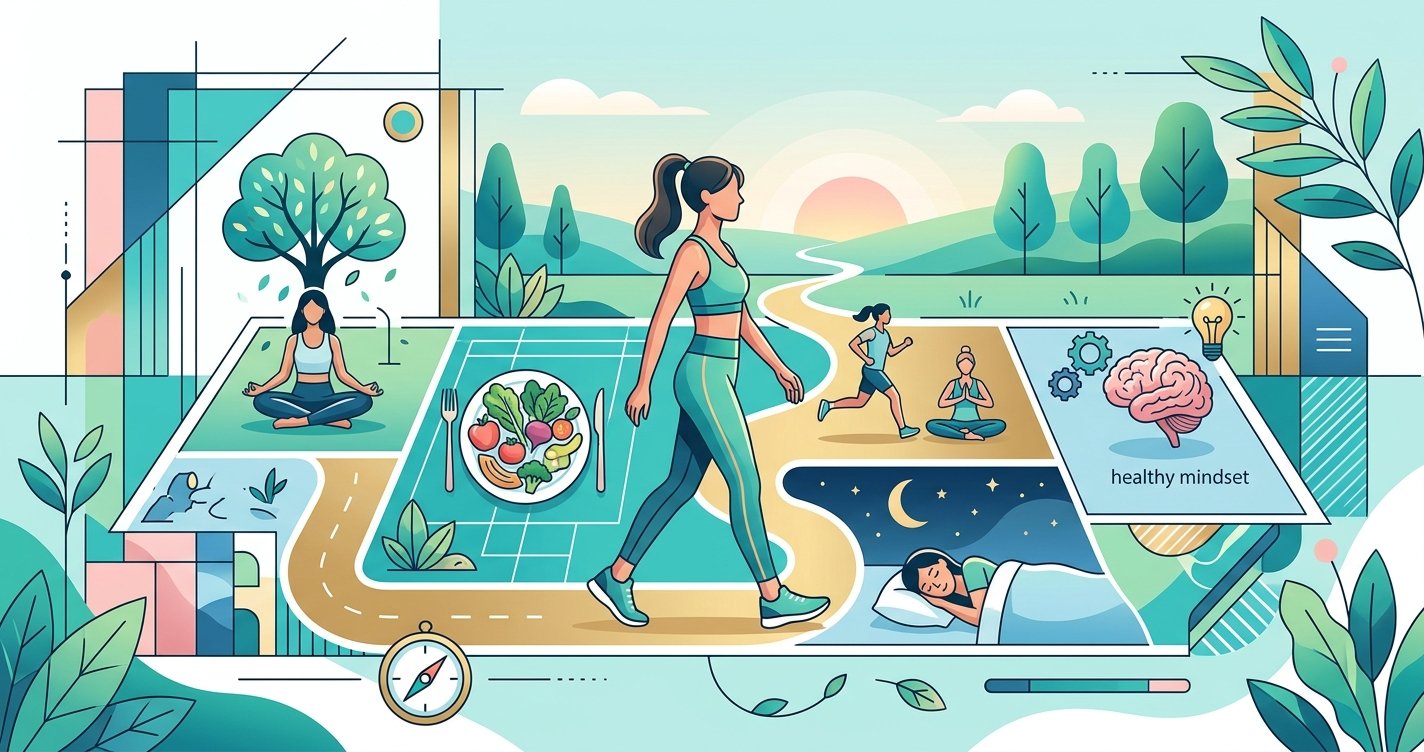
While nutrition and exercise get most of the spotlight, sleep, stress management, and a positive mindset are equally crucial for sustainable fat loss. Neglecting these areas can sabotage even the most diligent efforts.
Quality Sleep: A Fat Loss Game-Changer
- Why it matters: Sleep deprivation wreaks havoc on your hormones. It increases ghrelin (the hunger hormone) and decreases leptin (the satiety hormone), leading to increased cravings and a greater likelihood of overeating. It also raises cortisol levels, which can promote fat storage around the midsection.
- How to do it: Aim for 7-9 hours of quality sleep per night. Establish a consistent sleep schedule, create a relaxing bedtime routine, and optimize your bedroom environment (dark, quiet, cool).
Mastering Stress for a Leaner You
- Why it matters: Chronic stress leads to elevated cortisol levels. While acute stress is normal, prolonged high cortisol can increase appetite, promote fat storage (especially visceral fat), and make it harder to lose weight.
- How to do it: Identify your stressors and develop healthy coping mechanisms. Practice mindfulness, meditation, deep breathing exercises, yoga, or spend time in nature. Don't underestimate the power of hobbies and social connections.
Cultivate a Positive Mindset and Patience
- Why it matters: Fat loss is a journey, not a race. There will be ups and downs. A positive, patient mindset, coupled with self-compassion, is essential for navigating challenges and staying motivated. Focusing on progress over perfection prevents burnout and encourages perseverance.
- How to do it: Celebrate small victories beyond the scale (e.g., increased energy, better sleep, clothes fitting better, strength gains). Practice positive self-talk. Remember that consistency, not intensity, is the key to long-term success.
Building Habits That Stick: Small Steps, Big Impact
The secret to sustainable fat loss lies in building small, manageable habits that integrate seamlessly into your daily life. These aren't temporary changes; they're the foundation of a healthier, happier you.
Start Small and Be Consistent
- Why it matters: Overhauling everything at once is overwhelming and unsustainable. Small, incremental changes are easier to adopt and maintain, leading to lasting habits.
- How to do it: Pick one or two habits to focus on at a time. For example, start by adding a protein source to every meal, or taking a 15-minute walk daily. Once that feels natural, add another.
Track Your Progress (Beyond the Scale)
- Why it matters: The scale tells only part of the story. Focusing solely on weight can be demotivating, especially when muscle gain or water fluctuations obscure fat loss.
- How to do it: Take body measurements regularly, notice how your clothes fit, track your strength gains in workouts, monitor your energy levels, and even take progress photos. These non-scale victories provide valuable motivation and a more accurate picture of your transformation.
Seek Support and Accountability
- Why it matters: You don't have to do this alone. A support system can provide encouragement, motivation, and accountability, making the journey more enjoyable and successful.
- How to do it: Share your goals with a trusted friend or family member. Join a fitness community, or consider working with a certified coach or dietitian who can provide personalized guidance and support.
Embrace Your Journey to Lasting Health
Sustainable fat loss isn't about chasing an arbitrary number on the scale; it's about cultivating a healthier relationship with your body, food, and movement. It's a journey of self-discovery, patience, and consistent effort that leads to profound, lasting changes far beyond just a leaner physique.
By prioritizing whole foods, finding joyful ways to move, nurturing your sleep, managing stress, and fostering a positive mindset, you're not just losing fat – you're building a foundation for lifelong health and vitality. Be kind to yourself, celebrate every step, and trust the process. Your body will thank you for choosing the sustainable path to a healthier, happier you!