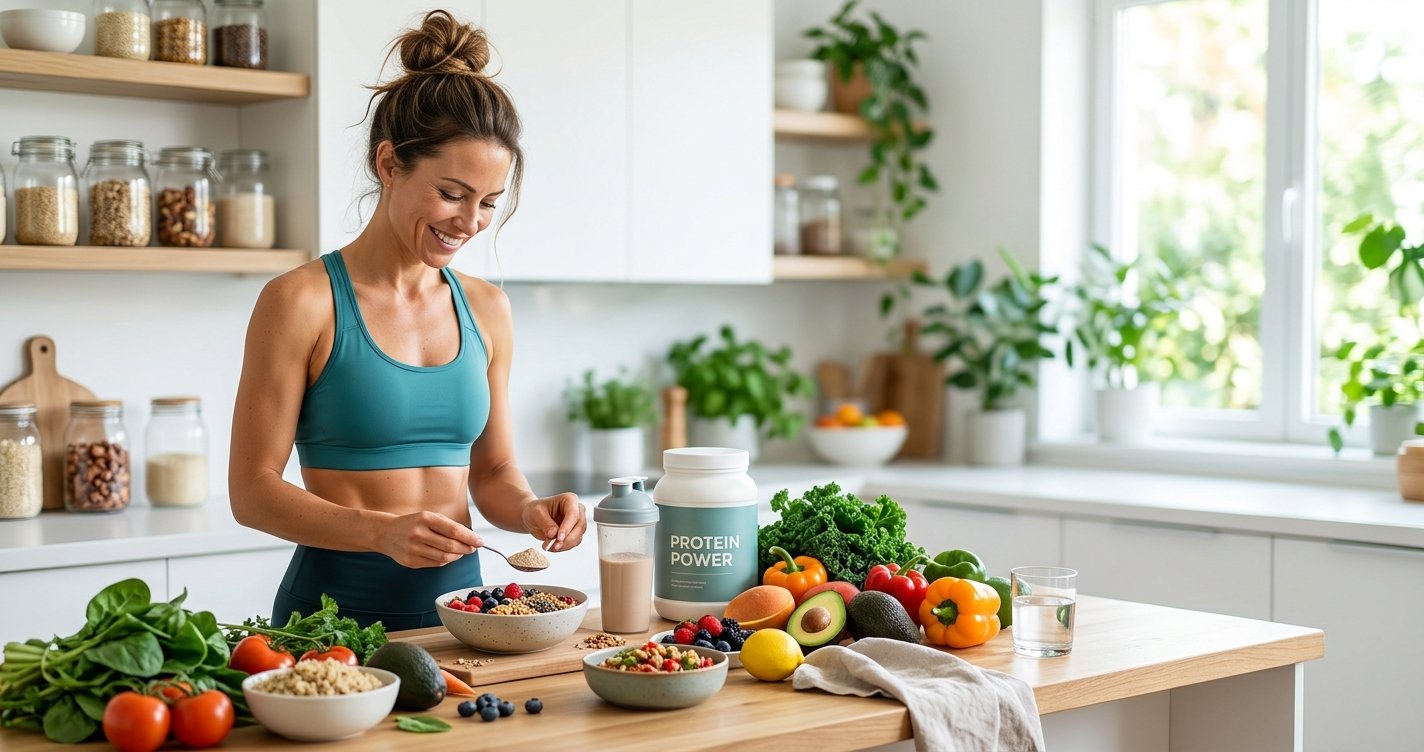
Beyond Quick Fixes: Sustainable Fat Loss Through Smart Nutrition & Protein Power
Are you tired of the endless cycle of restrictive diets, quick-fix promises, and the inevitable rebound? If you’ve been on a fat loss journey that feels more like a roller coaster than a steady path, you’re not alone. Many conventional approaches focus on deprivation, leading to frustration, cravings, and ultimately, a feeling of defeat. But what if there was a better way? A sustainable, evidence-based path that nourishes your body, satisfies your hunger, and helps you achieve lasting fat loss?
The good news is, there is! This isn’t about the latest fad or a magic pill. It’s about harnessing the incredible power of smart nutrition, with a special focus on two unsung heroes: protein and whole foods. By understanding how these elements work with your body, not against it, you can unlock a sustainable fat loss journey that truly transforms your health and well-being. Let’s dive in. this excellent wellness product
Why Fad Diets Fail (And What Works Instead)
Before we explore the solution, let’s briefly touch on the problem. Fad diets often promise rapid results by drastically cutting out entire food groups, imposing severe calorie restrictions, or relying on specific “detox” regimens. While you might see initial weight loss, this is often water weight or even muscle mass, not just fat. More importantly, these diets are notoriously difficult to maintain long-term.
Why? Because they’re unsustainable. They don’t teach you healthy eating habits; they just dictate what you can’t have. This leads to intense cravings, nutritional deficiencies, a slowed metabolism (as your body adapts to starvation), and eventually, “falling off the wagon.” When you return to your old eating patterns, the weight often comes back, sometimes with extra. This cycle can be incredibly disheartening and damaging to your relationship with food.
Instead, a sustainable approach focuses on creating a modest, consistent calorie deficit while prioritizing nutrient-dense foods that keep you full, energized, and preserve your muscle mass. It’s about making informed choices and building habits that you can stick with for life.
The Undeniable Power of Protein for Fat Loss
If there’s one macronutrient you should be paying extra attention to for fat loss, it’s protein. Research consistently highlights its unique benefits that directly support your goals.
How Protein Boosts Metabolism (The Thermic Effect of Food)
Did you know that your body burns calories just to digest and process the food you eat? This is known as the Thermic Effect of Food (TEF). And guess what? Protein has the highest TEF of all macronutrients. This means that roughly 20-30% of the calories you consume from protein are used up in its digestion and absorption, compared to 5-10% for carbohydrates and 0-3% for fats. By simply increasing your protein intake, you can naturally boost your daily calorie expenditure.
Protein for Satiety and Muscle Preservation
Beyond its metabolic boost, protein is a superstar at keeping you feeling full and satisfied. It signals hormones that reduce appetite and cravings, making it easier to stick to your calorie goals without feeling constantly hungry. Imagine going longer between meals, experiencing fewer urges to snack on unhealthy foods—that’s the power of protein!
Furthermore, when you’re in a calorie deficit for fat loss, there’s a risk of losing valuable muscle mass along with fat. Muscle is metabolically active, meaning it burns more calories at rest than fat does. Preserving muscle is crucial for maintaining a healthy metabolism and achieving a lean, toned physique. Adequate protein intake, especially when combined with strength training, is essential for protecting your hard-earned muscle and ensuring that the weight you lose is primarily fat.
Great Sources of Lean Protein: Chicken breast, turkey, lean beef, fish (salmon, cod, tuna), eggs, Greek yogurt, cottage cheese, lentils, beans, tofu, tempeh, edamame, protein powder.
Embracing Whole Foods: Your Body's Best Fuel
While protein is paramount, it works best in conjunction with a diet rich in whole, unprocessed foods. These are foods that are as close to their natural state as possible—think fruits, vegetables, whole grains, nuts, and seeds. They are packed with nutrients and fiber, offering a stark contrast to ultra-processed foods that are often high in added sugars, unhealthy fats, and artificial ingredients.
Fiber: The Unsung Hero of Fat Loss
Whole foods are brimming with fiber, a dietary component that plays a critical role in fat loss. Fiber adds bulk to your meals, helping you feel full faster and stay satisfied longer. It slows down digestion, which helps stabilize blood sugar levels, preventing those sharp spikes and crashes that can lead to energy slumps and intense cravings. Soluble fiber, found in oats, beans, and apples, also forms a gel-like substance in your gut, which can bind to cholesterol and help excrete it.
Beyond satiety, fiber supports a healthy digestive system and gut microbiome, which emerging research suggests plays a significant role in metabolism and weight management.
Micronutrients and Gut Health: Beyond Calories
Focusing solely on calories can be misleading. A calorie from a bag of chips is not the same as a calorie from an apple. Whole foods provide a wealth of essential vitamins, minerals, and antioxidants—micronutrients that are vital for countless bodily functions, including metabolism, hormone regulation, and energy production. When your body is properly nourished at a cellular level, it functions more efficiently, making fat loss a smoother process.
Moreover, the diverse array of fibers and prebiotics in whole foods feeds beneficial gut bacteria. A healthy gut microbiome is linked to improved digestion, reduced inflammation, and even better mood, all of which indirectly support a sustainable fat loss journey.
Excellent Sources of Whole Foods: All fruits and vegetables, whole grains (oats, quinoa, brown rice, whole wheat bread), legumes (beans, lentils, chickpeas), nuts, seeds, healthy fats (avocado, olive oil).
Crafting Your Sustainable Fat Loss Plate
Now that you understand the “why,” let’s talk about the “how.” Building a sustainable fat loss plate doesn’t have to be complicated or boring. It’s about making smart, consistent choices.
Practical Tips for Protein & Whole Food Integration
- Prioritize Protein at Every Meal: Aim for a palm-sized portion of lean protein at breakfast, lunch, and dinner. This helps with satiety and muscle preservation throughout the day.
- Fill Half Your Plate with Veggies: Especially non-starchy vegetables like broccoli, spinach, bell peppers, and green beans. They are low in calories, high in fiber, and packed with nutrients.
- Choose Whole Grains Over Refined: Opt for quinoa, brown rice, oats, or whole-wheat bread instead of white rice, white pasta, or sugary cereals.
- Don’t Fear Healthy Fats: Include sources like avocado, nuts, seeds, and olive oil in moderation. They’re essential for hormone production, nutrient absorption, and satiety.
- Stay Hydrated: Often mistaken for hunger, thirst can lead to unnecessary snacking. Drink plenty of water throughout the day.
- Plan Ahead: Meal prepping or at least planning your meals can significantly increase your success. Knowing what you’ll eat helps prevent impulsive, unhealthy choices.
- Practice Mindful Eating: Eat slowly, savor your food, and pay attention to your body’s hunger and fullness cues. This helps prevent overeating and enhances your enjoyment of meals.
Beyond the Plate: Lifestyle Factors That Support Your Journey
While nutrition is king, sustainable fat loss is a holistic endeavor. Other lifestyle factors play crucial supporting roles:
- Quality Sleep: Lack of sleep can disrupt hunger hormones (ghrelin and leptin) and increase cortisol, a stress hormone linked to belly fat storage. Aim for 7-9 hours of quality sleep per night.
- Stress Management: Chronic stress also elevates cortisol, which can hinder fat loss. Incorporate stress-reducing activities like meditation, yoga, or spending time in nature.
- Regular Movement: While diet is primary for fat loss, exercise is vital for overall health, muscle preservation, and metabolic health. Combine strength training (2-3 times a week) with cardiovascular exercise (150 minutes of moderate intensity per week).
Your Sustainable Fat Loss Journey Starts Now
Embracing a sustainable approach to fat loss, centered around protein and whole foods, isn’t about perfection; it’s about progress. It’s about making consistent, informed choices that empower you to nourish your body, feel satisfied, and achieve lasting results without the deprivation and frustration of fad diets.
Remember, this is a journey, not a race. Start small. Focus on adding more protein to each meal, incorporating an extra serving of vegetables, or swapping a refined grain for a whole one. With patience, consistency, and a focus on these powerful nutritional strategies, you can move beyond quick fixes and build a healthier, leaner, and more vibrant you for the long term. Your body will thank you!