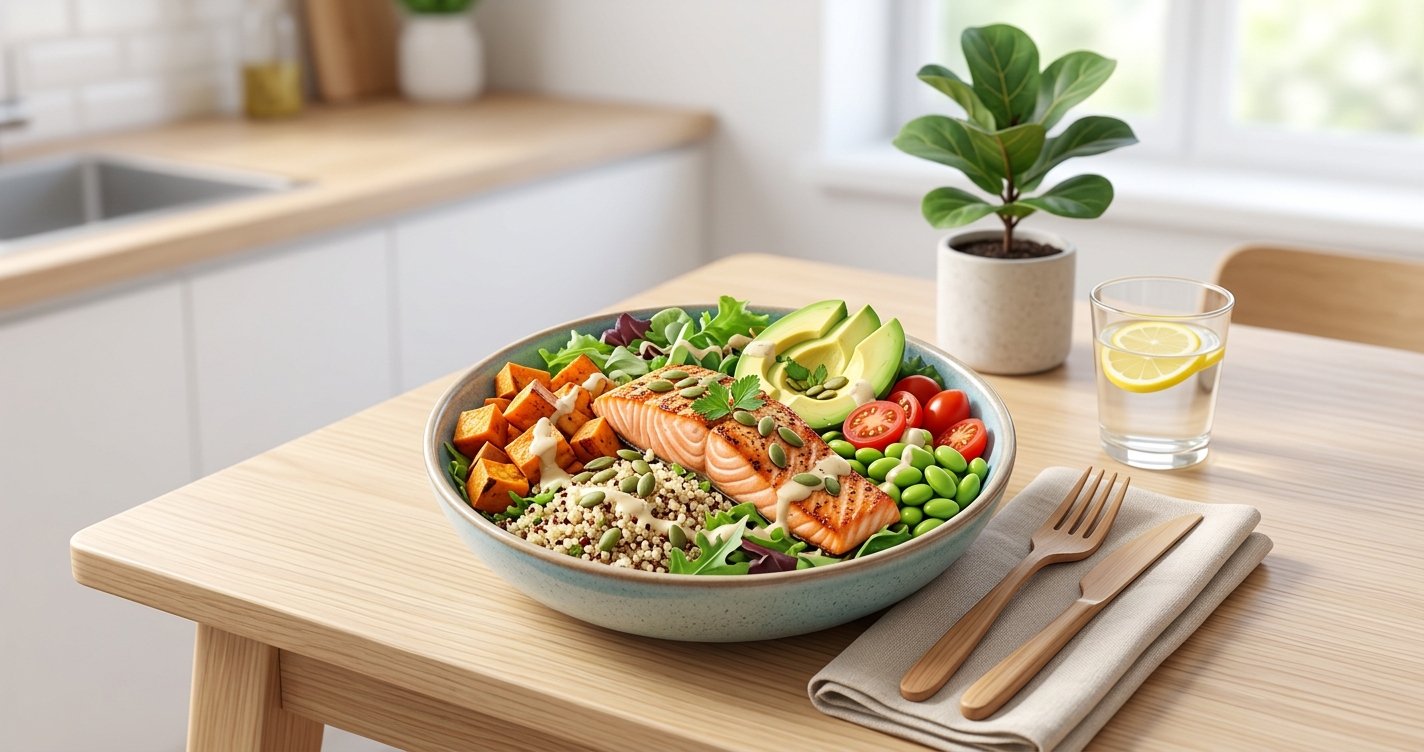
Beyond Quick Fixes: Sustainable Nutrition Habits for Lasting Fat Loss
Tired of the endless cycle of restrictive diets, quick fixes, and the inevitable rebound? You're not alone. The journey to fat loss can often feel like a frustrating rollercoaster, leaving many feeling defeated and confused. But what if there was a different path? A path not paved with deprivation, but with understanding, balance, and habits that actually stick?
We’re talking about sustainable nutrition – an approach that not only helps you shed unwanted fat but empowers you to maintain your results for life. This isn't about rigid rules or trendy detoxes; it's about building a healthy relationship with food, understanding your body's needs, and making choices that nourish you from the inside out. In this comprehensive guide, we'll dive deep into the evidence-based strategies for sustainable fat loss, helping you ditch the quick fixes and embrace a lifestyle that truly transforms. this excellent wellness product
Why Quick Fixes Fail: The Diet Cycle Trap
The allure of rapid results is powerful. "Lose 10 pounds in 10 days!" "Melt fat with this one weird trick!" These headlines flood our feeds, promising an easy escape from our struggles. But quick fixes, by their very nature, are unsustainable. They often involve extreme calorie restriction, cutting out entire food groups, or relying on supplements with little scientific backing.
While you might see initial weight loss (often water weight or muscle loss, not just fat), these methods are impossible to maintain long-term. Your body, an incredible survival machine, responds to severe restriction by slowing metabolism, increasing hunger hormones, and making you crave the very foods you're trying to avoid. This inevitably leads to a 'diet break,' often followed by regaining the lost weight, and sometimes even more. It's a vicious cycle that erodes confidence and makes future fat loss attempts feel even harder. Sustainable fat loss, on the other hand, prioritizes gradual, consistent progress that respects your body's physiology and fosters a positive mindset.
The Core Principle: Understanding Your Calorie Deficit
At its core, fat loss boils down to one fundamental principle: a calorie deficit. This means consistently consuming slightly fewer calories than your body burns. Your body then taps into its stored fat reserves for energy. Sounds simple, right? And it is, in theory. But the key words here are 'slightly' and 'consistently.'
Drastic calorie cuts are what lead to metabolic slowdown and the dreaded diet rebound. To achieve a sustainable deficit, we're not talking about starvation. We're talking about a modest reduction, typically 300-500 calories below your maintenance level. This allows for steady fat loss (around 1-2 pounds per week for most people) while preserving muscle mass and keeping your metabolism humming. The beauty of sustainable nutrition is that you don't need to obsessively count every single calorie if you focus on smart food choices. When you fill your plate with nutrient-dense, satisfying foods, a calorie deficit often happens naturally. It's about empowering yourself with knowledge, not punishing yourself with numbers.
It's About Quality, Not Just Quantity
While a calorie deficit is non-negotiable for fat loss, the source of those calories makes a world of difference. 1500 calories of highly processed junk food will have a very different impact on your hunger, energy levels, and nutrient intake compared to 1500 calories of whole, unprocessed foods. Nutrient density is key. Choosing foods rich in vitamins, minerals, fiber, and protein will keep you feeling fuller for longer, provide sustained energy, and support overall health, making the deficit much easier to maintain.
Fueling Your Body: The Power of Macronutrients & Whole Foods
Understanding the role of macronutrients – protein, fats, and carbohydrates – and the importance of whole foods is crucial for optimizing your fat loss journey. Each plays a distinct role in your body, and getting the right balance can significantly impact your satiety, energy, and results.
Protein: Your Satiety & Muscle Ally
If there's one macronutrient to prioritize for fat loss, it's protein. Here's why:
- Satiety: Protein is incredibly filling. Including adequate protein in your meals helps you feel fuller for longer, reducing overall calorie intake.
- Thermic Effect of Food (TEF): Your body uses more energy to digest protein than it does for fats or carbs, meaning you burn a few extra calories just by eating it!
- Muscle Preservation: In a calorie deficit, protein helps preserve your precious muscle mass, which is metabolically active and helps keep your metabolism robust.
Aim for a protein source at every meal. Think lean meats, poultry, fish, eggs, dairy, legumes, and plant-based protein powders.
Healthy Fats: Essential for Hormones & Fullness
Don't fall into the 'fat-free' trap! Healthy fats are vital for hormone production, nutrient absorption, and brain function. They also contribute to satiety, making your meals more satisfying. However, fats are calorie-dense, so portion control is important. Focus on:
- Avocados
- Nuts and seeds
- Olive oil
- Fatty fish (salmon, mackerel)
These provide essential fatty acids that support overall health and keep you feeling full.
Smart Carbs: Sustained Energy & Fiber
Carbohydrates often get a bad rap, but they are your body's preferred source of energy. The key is to choose the right kind. Focus on complex carbohydrates, which are rich in fiber and provide sustained energy without the blood sugar spikes and crashes associated with refined carbs.
- Whole grains (oats, brown rice, quinoa, whole-wheat bread)
- Fruits (berries, apples, bananas)
- Vegetables (broccoli, spinach, sweet potatoes)
These provide essential vitamins, minerals, and fiber, contributing to satiety and digestive health. Limit highly processed sugars and refined grains, which offer little nutritional value and can hinder fat loss efforts.
The Micronutrient Bonus: Whole Foods for Vitality
While macros provide the bulk of your energy, micronutrients (vitamins and minerals) are the unsung heroes of your health and fat loss journey. They play critical roles in metabolism, energy production, hormone regulation, and countless other bodily functions. When you focus on a diet rich in whole, unprocessed foods, you naturally optimize your micronutrient intake.
Think colorful plates! Load up on a variety of fruits and vegetables. These foods are low in calories, high in fiber, and packed with essential nutrients. They fill you up without adding excessive calories, making them perfect allies for creating that sustainable calorie deficit. Prioritizing whole foods over processed ones also means you're naturally reducing your intake of added sugars, unhealthy fats, and artificial ingredients – all of which can sabotage your fat loss efforts and overall health.
Building Sustainable Habits for Lasting Success
Knowledge is power, but consistent action is what drives results. Here are some practical, sustainable habits you can integrate into your daily life to support your fat loss journey:
Mindful Eating: Tune Into Your Body
In our fast-paced world, eating often becomes a rushed, unconscious act. Mindful eating encourages you to slow down, pay attention to your body's hunger and fullness cues, and truly savor your food. This can help prevent overeating and foster a healthier relationship with food. Before you eat, ask yourself: 'Am I truly hungry?' During your meal, notice the flavors, textures, and how your body feels. Stop when you're comfortably full, not stuffed.
Smart Planning & Prep: Your Weekly Edge
Failing to plan is planning to fail, especially when it comes to nutrition. Dedicate some time each week to plan your meals and snacks. This helps you:
- Make healthier choices by avoiding last-minute, less nutritious options.
- Control portion sizes more effectively.
- Save time and money during the week.
Simple meal prep can involve cooking a batch of protein, chopping vegetables, or preparing healthy snacks in advance.
Hydration: The Simple Game-Changer
Often overlooked, adequate water intake is crucial for fat loss and overall health. Water helps with metabolism, nutrient transport, and can even help you feel fuller. Sometimes, what we perceive as hunger is actually thirst. Aim for at least 8 glasses of water a day, and more if you're active.
Prioritize Sleep: Rest Your Way Lean
You might be surprised to learn that sleep plays a significant role in fat loss. Lack of sleep disrupts hormones that regulate hunger (ghrelin) and satiety (leptin), leading to increased cravings and a tendency to overeat. It also impacts insulin sensitivity and can reduce your motivation for exercise. Aim for 7-9 hours of quality sleep per night.
Manage Stress: Protect Your Progress
Chronic stress elevates cortisol levels, a hormone that can promote fat storage, especially around the abdominal area. Stress can also lead to emotional eating. Incorporate stress-reduction techniques into your daily routine, such as meditation, yoga, deep breathing exercises, spending time in nature, or engaging in hobbies you enjoy.
Embracing Imperfection: Navigating Setbacks
No fat loss journey is perfectly linear. There will be days when you overeat, miss a workout, or feel discouraged. This is entirely normal! The key is how you respond to these setbacks. Don't let a single 'slip-up' derail your entire progress.
Instead of viewing it as a failure, see it as a learning opportunity. What triggered the setback? What can you do differently next time? Practice self-compassion, get back on track with your next meal or next day, and remember your 'why.' Focus on consistency over perfection. Celebrate small victories, track your progress (non-scale victories like increased energy, better fitting clothes, improved mood are just as important!), and surround yourself with a supportive community if possible. Your journey is yours alone, but you don't have to walk it in isolation.
Your Journey to Lasting Fat Loss Starts Now
Sustainable fat loss isn't about chasing fleeting trends or punishing yourself; it's about cultivating a lifestyle that nourishes your body, mind, and spirit. By understanding the principles of a moderate calorie deficit, prioritizing protein and whole foods, and integrating practical, healthy habits like mindful eating, proper hydration, quality sleep, and stress management, you're building a foundation for lasting success.
Ditch the quick fixes and embrace the power of consistency, patience, and self-compassion. Your body is capable of amazing things, and by treating it with respect and providing it with the right fuel, you can achieve not just your fat loss goals, but a vibrant, energetic life that lasts. Start today, one sustainable habit at a time, and watch as you transform not just your body, but your entire well-being.