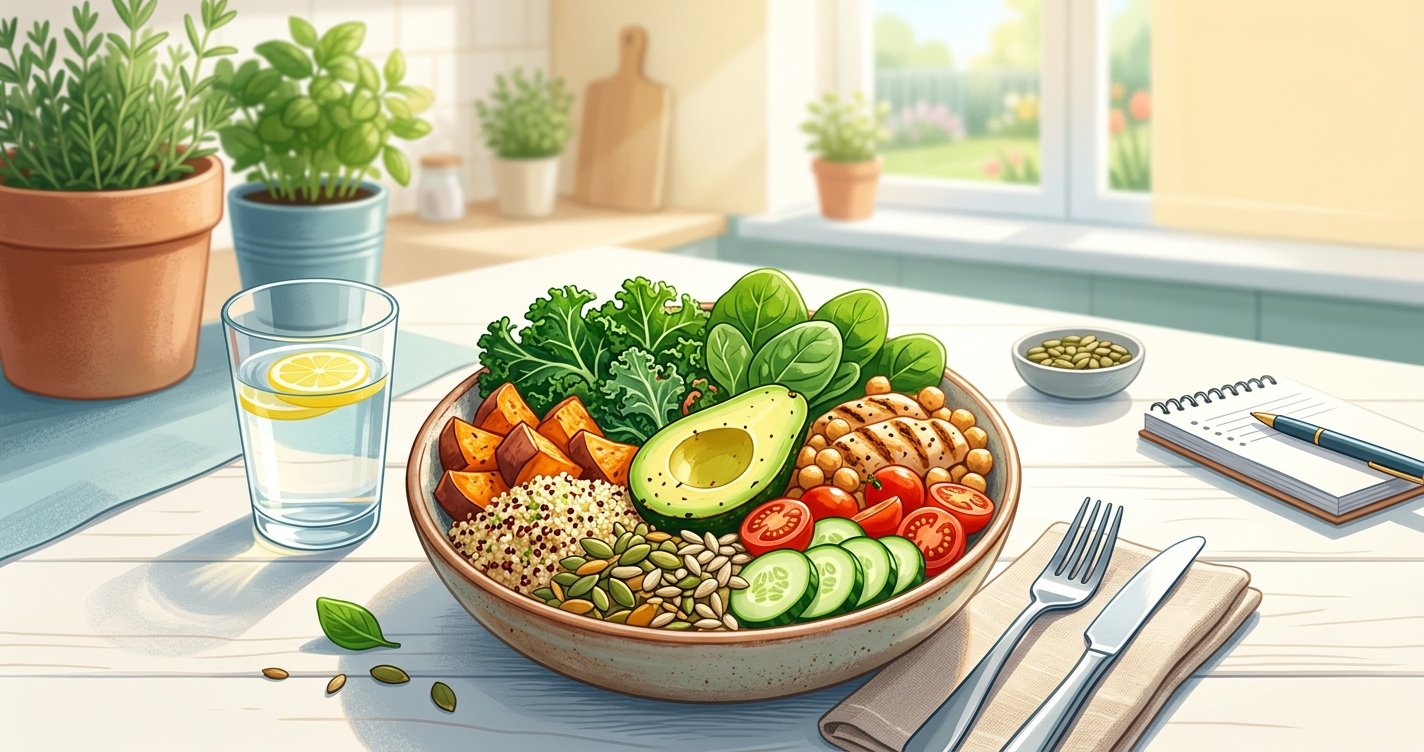
The world of fat loss is often riddled with conflicting advice, extreme diets, and promises of rapid results that rarely last. If you’ve ever felt frustrated by the yo-yo effect or the sheer complexity of it all, you’re not alone. The truth is, sustainable fat loss isn't about deprivation or quick fixes; it’s about building a foundation of healthy, evidence-based nutrition habits that you can maintain for life. This isn't just about shedding pounds; it's about reclaiming your energy, boosting your confidence, and fostering a healthier relationship with food and your body.
In this guide, we'll cut through the noise and focus on practical, sustainable nutrition strategies that empower you to achieve and maintain your fat loss goals. Forget the fads – let's build habits that truly work, backed by science and designed for your long-term well-being. this excellent wellness product
1. The Foundation: Understanding a Moderate Calorie Deficit
At its core, fat loss comes down to one fundamental principle: consuming fewer calories than your body burns. This is known as a calorie deficit. While it might sound overly simplistic, it’s a non-negotiable biological reality. However, the key to sustainable fat loss lies in creating a moderate deficit, not an extreme one.
A deficit of 250-500 calories per day is generally recommended for safe and sustainable fat loss, typically leading to a loss of 0.5 to 1 pound per week. This approach allows your body to adapt gradually, minimizes muscle loss, and prevents the severe hunger and fatigue that often lead to diet abandonment.
How to Approach Your Calorie Deficit Smartly:
- Estimate Your Needs: Use an online TDEE (Total Daily Energy Expenditure) calculator as a starting point to estimate how many calories your body burns daily.
- Track for Awareness, Not Obsession: Consider tracking your food intake for a few days to understand your current habits. This isn't about rigid counting forever, but about building awareness of portion sizes and calorie density.
- Listen to Your Body: If you're constantly ravenous or experiencing severe energy dips, your deficit might be too large. Adjust gradually.
Remember, a calorie deficit is the mechanism, but the quality of those calories is just as crucial for your health, satiety, and long-term success.
2. Power Up with Protein: Your Best Friend for Fat Loss
If there's one macronutrient you should prioritize for fat loss, it's protein. Protein plays a pivotal role in several aspects of your fat loss journey, making it an invaluable ally.
- Satiety: Protein is the most satiating macronutrient. Including adequate protein in your meals helps you feel fuller for longer, reducing overall calorie intake and curbing cravings.
- Muscle Preservation: When you're in a calorie deficit, your body can break down muscle tissue for energy in addition to fat. High protein intake, especially when combined with strength training, helps to preserve lean muscle mass, which is crucial for maintaining a healthy metabolism.
- Thermic Effect of Food (TEF): Protein has a higher TEF than carbohydrates or fats. This means your body expends more energy (burns more calories) to digest, absorb, and metabolize protein.
Smart Protein Timing and Sources:
Aim for roughly 1.6-2.2 grams of protein per kilogram of body weight per day, distributed throughout your meals. Focus on lean protein sources:
- Chicken breast, turkey, lean beef
- Fish (salmon, cod, tuna)
- Eggs
- Dairy (Greek yogurt, cottage cheese)
- Legumes (lentils, beans, chickpeas)
- Tofu, tempeh, edamame
Starting your day with a protein-rich breakfast can set the tone for better satiety and blood sugar control throughout the day.
3. Embrace Fiber: The Secret Weapon for Satiety and Gut Health
Fiber, often overlooked, is another powerhouse nutrient for fat loss and overall health. It's a type of carbohydrate that your body can't digest, meaning it passes through your system relatively intact, bringing a host of benefits.
- Increased Satiety: Fiber adds bulk to your meals, slowing down digestion and helping you feel full and satisfied for longer, just like protein. This naturally reduces the likelihood of overeating.
- Blood Sugar Regulation: Soluble fiber, in particular, helps to slow the absorption of sugar into your bloodstream, preventing sharp spikes and crashes that can lead to cravings and energy dips.
- Gut Health: Fiber acts as a prebiotic, feeding the beneficial bacteria in your gut. A healthy gut microbiome is increasingly linked to metabolic health and even weight management.
Fiber-Rich Foods to Add to Your Diet:
Integrate a variety of high-fiber foods into your daily routine:
- Fruits: Berries, apples, pears (with skin)
- Vegetables: Broccoli, spinach, carrots, Brussels sprouts
- Whole Grains: Oats, quinoa, brown rice, whole-wheat bread
- Legumes: Lentils, black beans, chickpeas
- Nuts and Seeds: Chia seeds, flax seeds, almonds
If you're new to a high-fiber diet, increase your intake gradually to avoid digestive discomfort. And remember to drink plenty of water to help fiber move through your system effectively.
4. Mindful Eating: Reconnecting with Your Body's Cues
In our fast-paced world, eating has often become a rushed, distracted activity. Mindful eating is the practice of paying full attention to your food—how it looks, smells, tastes, and feels—and to your body’s hunger and fullness cues. This simple yet profound shift can revolutionize your relationship with food and significantly aid in fat loss.
When you eat mindfully, you're more likely to:
- Recognize true physical hunger versus emotional hunger or boredom.
- Stop eating when you're comfortably full, rather than uncomfortably stuffed.
- Savor your meals, finding greater satisfaction in smaller portions.
- Improve digestion and nutrient absorption.
Tips for Practicing Mindful Eating:
- Eliminate Distractions: Turn off the TV, put away your phone, and focus solely on your meal.
- Eat Slowly: Put your fork down between bites. Take time to chew your food thoroughly. It takes about 20 minutes for your stomach to signal fullness to your brain.
- Engage Your Senses: Notice the colors, textures, aromas, and flavors of your food.
- Check In with Hunger and Fullness: Before eating, ask yourself, “Am I truly hungry?” During your meal, pause and ask, “Am I still hungry, or am I comfortably full?”
Mindful eating is a skill that improves with practice and can transform eating from an unconscious habit into a nourishing, enjoyable experience.
5. Hydration and Healthy Fats: Often Overlooked, Always Essential
While protein and fiber often steal the spotlight, two other nutritional components are vital for fat loss and overall health: water and healthy fats.
The Power of Water:
Water is essential for every bodily function, including metabolism. Staying adequately hydrated can:
- Boost Metabolism: Water is involved in metabolic processes that burn calories.
- Aid Satiety: Sometimes, your body can confuse thirst for hunger. Drinking a glass of water before meals can help you assess your true hunger levels.
- Reduce Bloating: Counterintuitively, drinking more water can help reduce water retention and bloating.
Aim for at least 8 glasses (around 2 liters) of water daily, and more if you're active or in a hot climate.
Don't Fear Healthy Fats:
Despite their calorie density, healthy fats are crucial for hormone production, nutrient absorption (especially fat-soluble vitamins A, D, E, K), and satiety. They also add flavor and satisfaction to your meals.
Focus on unsaturated fats from sources like:
- Avocado
- Nuts (almonds, walnuts)
- Seeds (chia, flax, pumpkin)
- Olive oil, avocado oil
- Fatty fish (salmon, mackerel)
While essential, remember that fats are calorie-dense, so portion control is still important.
6. Planning and Consistency: Building Unshakeable Habits
The best nutrition strategies in the world won't work if they're not consistently applied. This is where planning comes into play, transforming good intentions into lasting habits.
Strategic Meal Planning:
- Weekly Prep: Dedicate a few hours each week to plan your meals, grocery shop, and do some basic food prep (chopping veggies, cooking grains, batch-cooking protein). This makes healthy eating effortless during busy weekdays.
- Healthy Snacks: Keep nutrient-dense snacks readily available (e.g., fruit, nuts, Greek yogurt) to prevent reaching for less healthy options when hunger strikes.
- Restaurant Savvy: Learn how to make smart choices when eating out, focusing on lean proteins, vegetables, and mindful portion control.
The Power of Consistency Over Perfection:
Sustainable fat loss is a marathon, not a sprint. You don't need to be perfect every day. The occasional treat or deviation from your plan won't derail your progress as long as your overall pattern is consistent. Focus on making good choices 80-90% of the time. Small, consistent actions add up to significant results over time.
7. Navigating Setbacks and Celebrating Progress
Your fat loss journey will have its ups and downs. Plateaus are normal, cravings will happen, and you might occasionally fall off track. The key is how you respond to these moments.
- Practice Self-Compassion: Don't beat yourself up over a missed workout or an indulgent meal. Acknowledge it, learn from it, and gently guide yourself back on track.
- Identify Triggers: Understand what leads to unhealthy choices (stress, boredom, specific environments) and develop strategies to cope.
- Focus on Non-Scale Victories (NSVs): The number on the scale is just one metric. Celebrate increased energy, better sleep, clothes fitting more comfortably, improved mood, and enhanced strength. These are powerful indicators of true progress and can keep you motivated when the scale seems stuck.
Remember that every healthy choice you make is a victory, regardless of what the scale says today.
Your Journey to Lasting Fat Loss Starts Now
Achieving sustainable fat loss isn't about following a restrictive diet for a short period; it's about cultivating a set of healthy, evidence-based nutrition habits that nourish your body and support your long-term well-being. By focusing on a moderate calorie deficit, prioritizing protein and fiber, practicing mindful eating, staying hydrated, including healthy fats, and embracing consistent planning, you are building a foundation for lasting success.
This is your journey. Be patient, be kind to yourself, and celebrate every step of progress. Empower yourself with knowledge, listen to your body, and enjoy the process of becoming a healthier, happier you. Your sustainable fat loss success isn't just a dream – it's a series of conscious, consistent choices away.