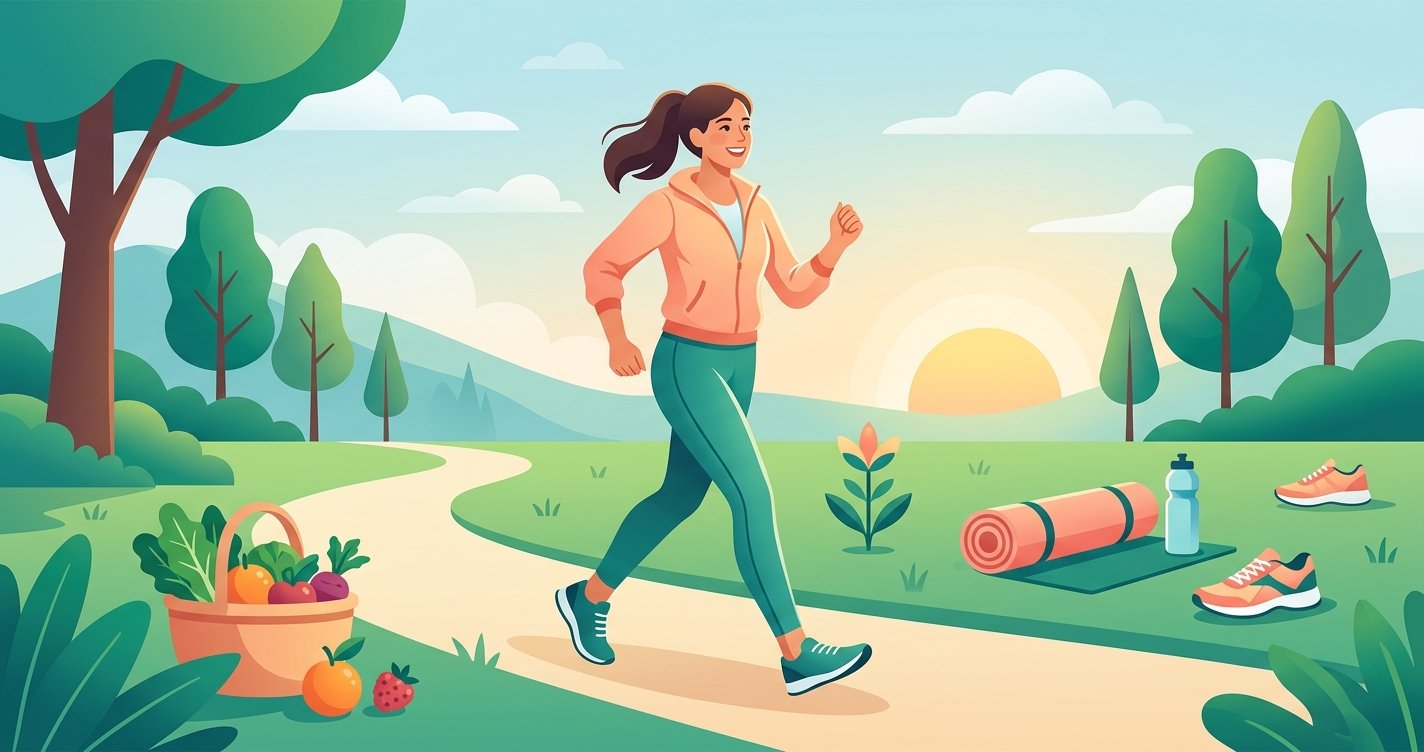
Beyond the Scale: How Healthy Habits Lead to Sustainable Fat Loss
Let's be honest: the world of fat loss can feel like a confusing maze, full of conflicting advice, restrictive diets, and promises of quick fixes. You've likely tried a few, maybe even seen some initial success, only to find yourself back where you started, or even heavier. Sound familiar? You're not alone.
The truth is, genuine, sustainable fat loss isn't about deprivation or chasing fleeting trends. It's about building a foundation of healthy habits that seamlessly integrate into your life, transforming your relationship with food, movement, and yourself. This isn't just about shedding pounds; it's about building a healthier, stronger, and more confident you for the long haul. Ready to ditch the diet mentality and embrace a path that actually works? Let's dive in! this excellent wellness product
Why Habits Trump Quick Fixes for Fat Loss
Diets often fail because they're temporary. They're an external set of rules imposed upon us, rather than an internal shift in behavior and mindset. Once the 'diet' is over, we often revert to old patterns, and the weight creeps back. This yo-yo cycle is not only frustrating but can also be detrimental to your metabolism and mental well-being.
Habits, on the other hand, are behaviors that become automatic over time. Think about brushing your teeth – you don't debate whether to do it each morning; you just do. When healthy eating, regular movement, and self-care become ingrained habits, they require less willpower and become a natural part of your day, making fat loss and maintenance effortless and sustainable. Research consistently shows that consistent, small behavioral changes are far more effective for long-term weight management than drastic, short-term interventions.
The Foundation: Nutrition Habits for a Leaner You
You don't need to eat perfectly, but making conscious choices about what you fuel your body with is paramount for fat loss. These habits focus on nutrient density and satiety, helping you feel full and satisfied while supporting your body's needs.
Prioritize Protein at Every Meal
Protein is your secret weapon for fat loss. It's highly satiating, meaning it keeps you feeling fuller for longer, reducing the urge to snack. Furthermore, protein has a higher thermic effect of food (TEF) than carbs or fats, meaning your body burns more calories digesting it. Crucially, adequate protein intake helps preserve precious muscle mass, which is vital for a healthy metabolism, especially when you're in a calorie deficit.
- How to do it: Include sources like lean meats, poultry, fish, eggs, Greek yogurt, cottage cheese, lentils, beans, and tofu in every meal. Aim for 20-30 grams of protein per meal.
Embrace Fiber-Rich Whole Foods
Fiber is another fantastic ally. Found in fruits, vegetables, whole grains, and legumes, fiber adds bulk to your meals without adding many calories. It slows down digestion, stabilizing blood sugar levels and preventing energy crashes that often lead to cravings. Moreover, fiber supports a healthy gut microbiome, which is increasingly linked to weight management.
- How to do it: Fill half your plate with non-starchy vegetables. Choose whole grains like oats, quinoa, and brown rice over refined grains. Snack on apples, berries, or a handful of almonds.
Hydrate Smart: Make Water Your Best Friend
Often overlooked, proper hydration plays a significant role in fat loss. Water can help you feel full, sometimes preventing you from mistaking thirst for hunger. It's also essential for metabolic processes that burn fat. Sugary drinks, on the other hand, add empty calories and often contribute to weight gain.
- How to do it: Carry a water bottle with you. Start your day with a large glass of water. Add a squeeze of lemon or cucumber for flavor. Aim for 8-10 glasses (2-3 liters) a day.
Practice Mindful Eating
In our fast-paced world, we often eat on autopilot. Mindful eating means paying attention to your food – its taste, texture, and smell – and listening to your body's hunger and fullness cues. This helps prevent overeating and fosters a healthier relationship with food.
- How to do it: Eat slowly, without distractions. Put your fork down between bites. Check in with your body: Are you truly hungry, or just bored/stressed? Stop when you're satisfied, not stuffed.
Moving Your Body: Exercise Habits That Stick
Movement is crucial for fat loss, but it doesn't have to mean grueling gym sessions you dread. The best exercise is the one you'll do consistently.
Find Your Joy in Movement
If exercise feels like a chore, you're less likely to stick with it. Experiment with different activities until you find something you genuinely enjoy. Whether it's dancing, hiking, swimming, cycling, or playing a sport, joyful movement is sustainable movement.
- How to do it: Try a new fitness class, explore local trails, or simply put on some music and dance in your living room.
Strength Training is Your Friend
While cardio burns calories during the activity, strength training builds muscle. More muscle mass means a higher resting metabolic rate, meaning your body burns more calories even at rest. It also sculpts your body, leading to a leaner, more toned physique.
- How to do it: Aim for 2-3 full-body strength sessions per week. You can use bodyweight exercises, resistance bands, dumbbells, or gym machines. Start with lighter weights and focus on proper form.
Consistency Over Intensity
Don't fall into the trap of thinking every workout needs to be an all-out effort. Short, consistent bursts of activity throughout the week are far more effective than sporadic, intense sessions followed by long breaks. Aim for at least 150 minutes of moderate-intensity activity per week, as recommended by health organizations.
- How to do it: Go for a brisk 30-minute walk daily, take the stairs, or do a quick 10-minute home workout. Every bit of movement adds up!
Beyond Food & Fitness: Lifestyle Habits for Optimal Fat Loss
Fat loss isn't just about diet and exercise; it's deeply intertwined with your overall lifestyle. These often-overlooked habits play a huge role in your body's ability to shed fat.
Master Your Sleep
Sleep is not a luxury; it's a necessity, especially for fat loss. Lack of sleep disrupts hunger-regulating hormones like ghrelin (which increases appetite) and leptin (which signals fullness), making you hungrier and more prone to cravings. It also elevates cortisol, a stress hormone that can promote fat storage, particularly around the belly.
- How to do it: Aim for 7-9 hours of quality sleep per night. Establish a consistent sleep schedule, create a relaxing bedtime routine, and make your bedroom dark, quiet, and cool.
Manage Stress Mindfully
Chronic stress is a silent enemy of fat loss. When stressed, your body releases cortisol, which can increase appetite, promote sugar cravings, and encourage your body to store fat. Learning to manage stress is crucial for both your mental health and your waistline.
- How to do it: Incorporate stress-reducing practices like meditation, deep breathing exercises, yoga, spending time in nature, or engaging in hobbies you enjoy.
Cultivate Self-Compassion and Patience
The journey to lasting fat loss is rarely linear. There will be good days and challenging days. Instead of beating yourself up over a slip-up, practice self-compassion. Understand that setbacks are part of the process, learn from them, and get back on track without dwelling on perfection. This kind and patient approach is far more sustainable than harsh self-criticism.
- How to do it: Treat yourself with the same kindness and understanding you would offer a friend. Remind yourself that progress, not perfection, is the goal.
Building Your Habit Toolkit: Practical Strategies
Now that you know which habits to focus on, how do you actually build them?
Start Small, Think Big
Don't try to overhaul everything at once. Pick one or two small, manageable habits to start with. Once they become automatic, add another. This 'tiny habits' approach builds momentum and confidence.
- Example: Instead of 'go to the gym 5 times a week,' try 'walk for 10 minutes after dinner.'
Track Your Progress (Beyond the Scale)
While the scale can be a useful tool, it doesn't tell the whole story. Track non-scale victories like increased energy, better sleep, clothes fitting looser, improved strength, or a more positive mood. This helps maintain motivation.
- How to do it: Keep a journal, use a fitness tracker, or simply take progress photos.
Seek Support and Accountability
You don't have to do this alone. Share your goals with a trusted friend, family member, or join a supportive community. An accountability partner can provide encouragement and help keep you on track.
- How to do it: Find a workout buddy, tell your partner your goals, or consider working with a certified coach.
Your Sustainable Fat Loss Journey Starts Today
Sustainable fat loss isn't about dieting harder; it's about living smarter. By focusing on building consistent, healthy habits in nutrition, movement, sleep, and stress management, you're not just losing weight – you're building a healthier, happier, and more resilient version of yourself. This is a journey of self-discovery, patience, and self-kindness.
Remember, every small habit you cultivate is a step towards a lasting transformation. So, take a deep breath, choose one habit to focus on today, and embark on the most rewarding fat loss journey of your life. You've got this!