Are you tired of the endless cycle of restrictive diets and cardio marathons that promise fat loss but leave you feeling drained and discouraged? It’s time to shift your focus from simply “losing weight” to “transforming your body” – and the most powerful tool in your arsenal might surprise you: strength training.
Many people still associate strength training with bulky bodybuilders or just “toning,” but the truth is, it’s an incredibly effective, evidence-based strategy for sustainable fat loss, body recomposition, and overall health. Forget the scale for a moment and imagine a stronger, more confident you, with a metabolism that works for you, not against you. Let’s dive into why lifting weights is the game-changer you’ve been looking for. this excellent wellness product
Why Strength Training is Your Secret Weapon for Fat Loss
While cardio has its place, strength training offers unique benefits that directly accelerate and sustain fat loss in ways that traditional methods often miss.
Burn More Calories, Even at Rest (The “Afterburn” Effect)
When you lift weights, your muscles undergo microscopic tears. Repairing these tears requires energy. This process, known as Excess Post-exercise Oxygen Consumption (EPOC), means your body continues to burn calories at an elevated rate for hours, sometimes even days, after your workout. Think of it as a metabolic boost that keeps working long after you’ve left the gym.
Build Muscle, Boost Metabolism
Muscle tissue is metabolically active, meaning it burns more calories at rest than fat tissue does. The more lean muscle mass you have, the higher your basal metabolic rate (BMR) will be. This means your body becomes a more efficient fat-burning machine 24/7, even when you’re sleeping or watching TV. Building muscle isn’t about getting “bulky” (more on that later!), but about optimizing your body’s natural calorie-burning capacity.
Shape Your Body, Not Just Shrink It
Losing weight through diet alone or excessive cardio can sometimes leave you “skinny fat” – a lower number on the scale, but still lacking definition. Strength training allows you to sculpt your physique, building firm, shapely muscles that give your body an entirely new aesthetic. You’ll notice changes in how your clothes fit and how you look in the mirror, often long before the scale reflects it.
Enhanced Bone Health and Anti-Aging Benefits
Beyond fat loss, strength training is crucial for strong bones, which is especially important as we age. It also improves joint stability, reduces the risk of injury, and can significantly enhance functional strength for daily activities. It’s truly an investment in your long-term health and vitality.
Getting Started: Your Strength Training Blueprint
Ready to pick up some weights? Here’s how to approach it smartly and safely.
Finding Your Routine: Full Body vs. Splits
For beginners, a full-body workout 2-3 times a week is often ideal. This allows you to hit all major muscle groups, improve overall strength, and get ample recovery time. As you progress, you might explore “split routines” (e.g., upper body/lower body, push/pull/legs) to dedicate more volume to specific muscle groups.
The Importance of Progressive Overload
This is the cornerstone of effective strength training. To continue getting stronger and building muscle, you need to gradually increase the demands placed on your muscles over time. This can mean:
- Lifting heavier weights
- Performing more repetitions with the same weight
- Doing more sets
- Reducing rest times between sets
- Improving your form and control
Always prioritize good form over heavy weight to prevent injury.
Essential Exercises for Beginners (Compound Movements)
Focus on compound exercises that work multiple muscle groups simultaneously. They are highly efficient and build foundational strength:
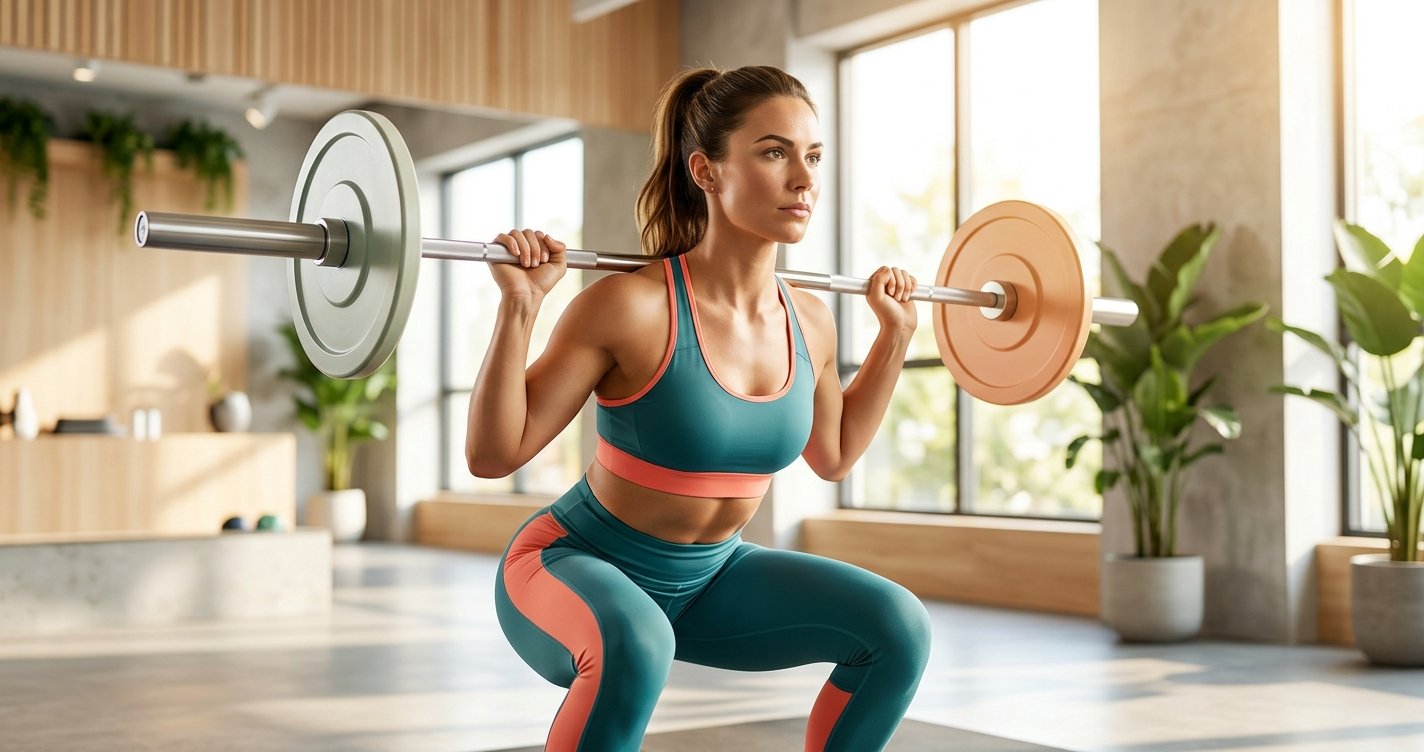
- Squats: Works glutes, quads, hamstrings.
- Deadlifts (or Romanian Deadlifts): Engages glutes, hamstrings, back.
- Bench Press (or Push-ups): Targets chest, shoulders, triceps.
- Overhead Press: Works shoulders and triceps.
- Rows (e.g., Dumbbell Rows, Cable Rows): Strengthens back and biceps.
Start with bodyweight or light weights to master the movement patterns before increasing resistance.
Fueling Your Lifts and Your Fat Loss Journey
You can’t out-train a poor diet. Nutrition is paramount for both muscle growth and fat loss.
Protein: The Muscle-Builder and Satiety Hero
Adequate protein intake is crucial. It supports muscle repair and growth, and it’s highly satiating, helping you feel fuller for longer, which is vital for maintaining a calorie deficit. Aim for 0.7-1 gram of protein per pound of body weight daily, spread throughout your meals.
Carbohydrates and Fats: Energy for Performance
Don’t fear carbs! They are your body’s primary energy source for intense workouts. Opt for complex carbohydrates like whole grains, fruits, and vegetables. Healthy fats are also essential for hormone production and overall health. Balance is key.
Hydration: Often Overlooked, Always Crucial
Water plays a critical role in metabolic processes, nutrient transport, and even fat metabolism. Ensure you’re drinking plenty of water throughout the day, especially around your workouts.
Beyond the Gym: Lifestyle Factors for Success
Your fat loss journey isn't just about what happens in the gym.
The Power of Sleep for Recovery and Hormones
Poor sleep can disrupt hormones that regulate appetite (ghrelin and leptin) and increase cortisol (the stress hormone), which can hinder fat loss and muscle recovery. Aim for 7-9 hours of quality sleep per night.
Managing Stress for Better Results
Chronic stress leads to elevated cortisol levels, which can encourage fat storage, particularly around the midsection. Incorporate stress-reduction techniques like meditation, yoga, spending time in nature, or hobbies you enjoy.
Consistency Over Perfection
Don’t aim for perfection; aim for consistency. Missing a workout or having an indulgent meal isn’t the end of the world. Get back on track with your next meal or workout. Sustainable progress is built on consistent effort over time, not flawless execution.
Common Myths and How to Bust Them
Let’s clear up some common misconceptions that might be holding you back.
“I’ll get too bulky!”
This is perhaps the biggest fear, especially for women. Building significant muscle mass like a competitive bodybuilder requires extreme dedication, specific training, and often hormonal advantages that most women simply don’t possess naturally. You will get stronger, more toned, and shapelier, not “bulky.”
“Cardio is better for fat loss.”
While cardio burns calories during the activity, strength training offers the “afterburn” effect and builds metabolism-boosting muscle. The most effective approach for fat loss is often a combination of both: incorporate both strength training (2-4 times a week) and cardio (2-3 times a week) into your routine for optimal results.
Your Journey Starts Now: Embrace the Strength Within
Shifting your focus to strength training is about more than just losing fat; it’s about building a stronger, more resilient, and healthier you. It’s about gaining confidence, improving your physical capabilities, and creating a sustainable path to a body you love. The scale becomes less important when you’re celebrating new personal bests in the gym and seeing visible changes in your physique.
So, take that first step. Find a reputable program, consider working with a qualified trainer, and embrace the empowering journey of strength training. Your body – and your metabolism – will thank you for it.