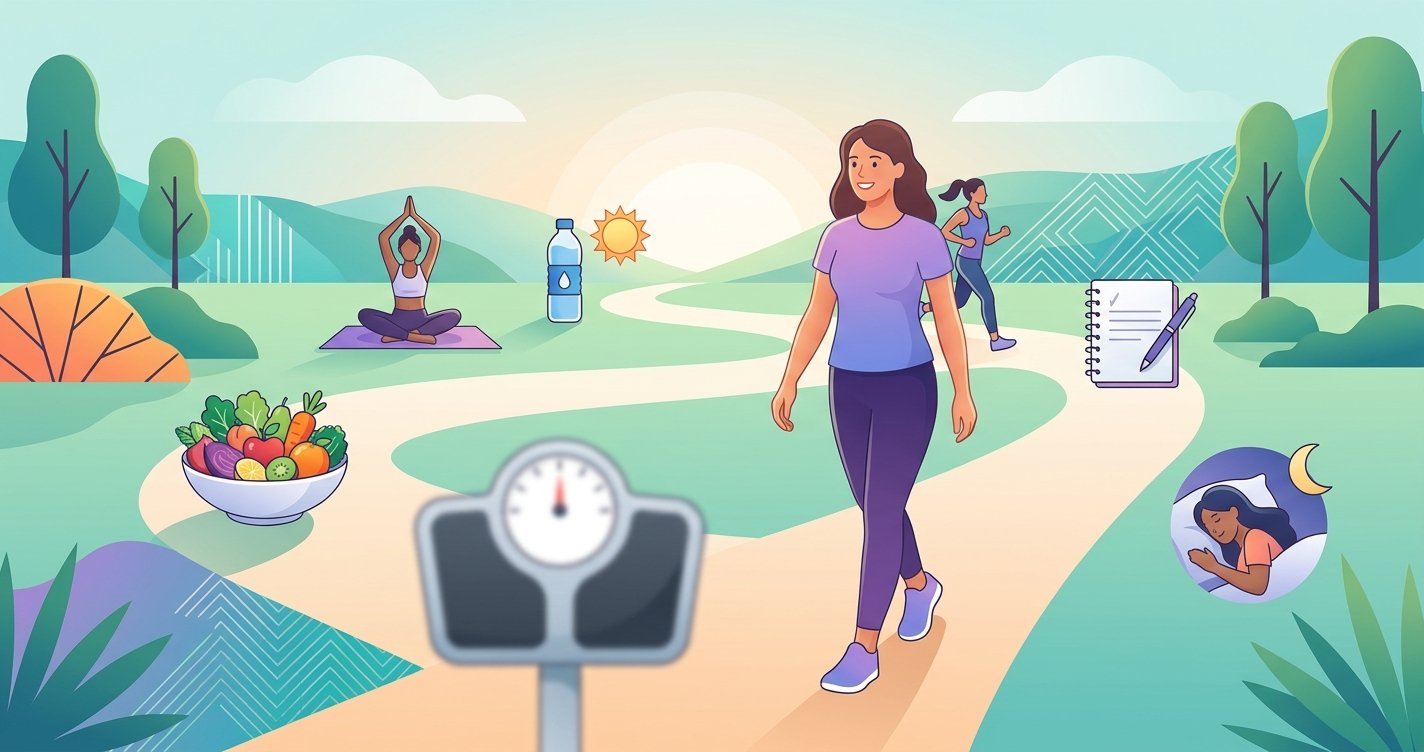
Tired of the Diet Rollercoaster? Let's Find a Better Way
For years, the world of fat loss has been dominated by extreme diets, restrictive eating plans, and quick-fix promises. You’ve likely heard it all: cut carbs, banish fats, juice cleanse, or embrace the latest celebrity detox. While these approaches might offer rapid initial weight loss, they often come with a heavy price – metabolic slowdown, nutrient deficiencies, a constant battle with hunger, and ultimately, the dreaded rebound weight gain. It's a frustrating cycle that leaves many feeling defeated and questioning their own willpower.
But what if there was another way? A path to sustainable fat loss that doesn't involve deprivation or an endless fight against your body? A journey focused on building healthy habits, understanding your body's signals, and fostering a positive relationship with food and movement? This isn't about chasing a number on the scale; it's about optimizing your health, energy, and well-being from the inside out. In this guide, we'll explore evidence-based strategies for achieving lasting fat loss through non-diet approaches, helping you create a lifestyle you can truly live with. this excellent wellness product
The Diet Trap: Why Quick Fixes Often Lead to Rebound
Before we dive into sustainable solutions, it's crucial to understand why many traditional diets fail in the long run. When you drastically cut calories, your body perceives this as a famine. It's an ancient survival mechanism kicking in. Your metabolism slows down to conserve energy, and your body becomes more efficient at storing fat. This is known as metabolic adaptation.
Beyond metabolism, restrictive dieting also wreaks havoc on your hormones. Ghrelin, the 'hunger hormone,' increases, making you feel constantly hungry, while leptin, the 'satiety hormone,' decreases, making it harder to feel full. This hormonal imbalance creates a powerful biological drive to eat, making it incredibly difficult to stick to a very low-calorie diet long-term. The result? You eventually give in, often overeating, and your body, primed to regain weight, quickly stores those calories as fat, often surpassing your starting weight. This isn't a failure of willpower; it's a predictable physiological response.
Moreover, the psychological toll of constant restriction, guilt, and the 'all or nothing' mentality can lead to disordered eating patterns, anxiety around food, and a damaged body image. It's time to break free from this cycle and adopt a more compassionate, effective approach.
Mindful Eating: Reconnecting with Your Body's Wisdom
One of the most powerful tools for sustainable fat loss and a healthier relationship with food is mindful eating. This isn't a diet; it's a practice of paying attention to your eating experience – your hunger and fullness cues, the taste, texture, and smell of your food, and how it makes you feel both physically and emotionally. It's about shifting from autopilot eating to intentional nourishment.
Practical Steps to Cultivate Mindful Eating
- Slow Down and Savor: Put your fork down between bites. Chew your food thoroughly. Notice the flavors and textures. Eating slowly gives your body time to register fullness, which typically takes about 20 minutes.
- Eliminate Distractions: Turn off the TV, put away your phone, and step away from your computer. Focus solely on your meal. When you're distracted, it's easy to overeat without realizing it.
- Listen to Your Body's Cues: Before you eat, check in with your hunger level on a scale of 1-10 (1 being ravenous, 10 being uncomfortably full). Aim to eat when you're around a 3-4 and stop when you're a comfortable 6-7, rather than stuffed.
- Ask Yourself Why: Before reaching for food, pause and ask, "Am I truly hungry, or am I bored, stressed, tired, or emotional?" This pause creates a space for a conscious choice.
- Practice Self-Compassion: Mindful eating isn't about perfection. If you overeat, don't beat yourself up. Acknowledge it, learn from it, and gently redirect your focus to your next meal.
By reconnecting with your body's innate wisdom, you'll naturally make healthier choices, reduce emotional eating, and find greater satisfaction with less food. This leads to sustainable fat loss without feeling deprived.
Strength Training: Your Metabolism's Best Friend
When most people think of fat loss, they often picture endless hours on the treadmill. While cardiovascular exercise has its benefits, strength training is arguably the most underrated and effective tool for sustainable fat loss and body recomposition.
Here's why: muscle is metabolically active tissue. The more muscle you have, the higher your resting metabolic rate (RMR), meaning your body burns more calories at rest, even when you're just sitting on the couch. Unlike fat, which is relatively inert, muscle is a calorie-burning furnace.
Why Lift Weights for Fat Loss?
- Boosted Metabolism: Building muscle directly increases your RMR, making fat loss easier in the long run.
- EPOC (Excess Post-exercise Oxygen Consumption): After a challenging strength workout, your body continues to burn extra calories for hours, sometimes even days, as it repairs and rebuilds muscle tissue. This 'afterburn effect' is minimal with steady-state cardio.
- Body Recomposition: Strength training helps you lose fat while simultaneously building muscle, leading to a leaner, more toned physique. You might not see a huge drop on the scale, but your body shape will transform, and your clothes will fit better.
- Improved Insulin Sensitivity: Regular strength training can improve how your body handles glucose, which is crucial for preventing fat storage and managing blood sugar levels.
- Bone Density and Functional Strength: Beyond aesthetics, lifting weights strengthens your bones, improves balance, and makes everyday tasks easier, enhancing your overall quality of life.
You don't need to become a bodybuilder. Two to three full-body strength training sessions per week, focusing on compound movements (squats, deadlifts, presses, rows), are incredibly effective. Start with bodyweight exercises or light weights and gradually increase resistance as you get stronger. The goal is progressive overload – continually challenging your muscles to adapt and grow.
The Hidden Pillars: Sleep and Stress Management
You can eat perfectly and train hard, but if you're consistently sacrificing sleep and living under chronic stress, your fat loss efforts will be severely hampered. These often-overlooked factors play a profound role in hormonal balance, hunger regulation, and your body's ability to shed fat.
Sleep Your Way to a Leaner You
When you skimp on sleep (getting less than 7-9 hours), your body's delicate hormonal balance goes awry. Remember ghrelin and leptin? Lack of sleep increases ghrelin (making you hungrier) and decreases leptin (making you less satisfied). This powerful combination leads to increased cravings, especially for high-carb, sugary foods, and makes it incredibly difficult to stick to healthy eating patterns.
Poor sleep also impacts insulin sensitivity, making your body more prone to storing fat, particularly around your midsection. Furthermore, fatigue reduces your motivation and energy for exercise, and impairs decision-making, making you more likely to reach for convenient, unhealthy options. Prioritize sleep by creating a consistent bedtime routine, making your bedroom dark and cool, and avoiding screens before bed.
Taming the Stress Monster for Sustainable Progress
Chronic stress triggers the release of cortisol, often called the 'stress hormone.' While cortisol is essential for short-term survival, chronically elevated levels are detrimental to fat loss. High cortisol promotes the storage of visceral fat (the dangerous fat around your organs), increases appetite, and can lead to emotional eating as a coping mechanism.
Stress also affects your digestive system, nutrient absorption, and overall well-being. Incorporating stress-management techniques into your daily routine is not a luxury; it's a necessity for sustainable fat loss and overall health. This could include:
- Mindfulness and Meditation: Even 10-15 minutes a day can significantly reduce stress.
- Deep Breathing Exercises: Simple techniques can calm your nervous system instantly.
- Nature Walks: Spending time outdoors is proven to lower stress levels.
- Hobbies and Relaxation: Engage in activities you enjoy to decompress and recharge.
- Setting Boundaries: Learn to say no to commitments that overwhelm you.
By managing stress effectively, you create a more favorable internal environment for your body to release fat.
Consistency, Not Perfection: Building Habits That Last a Lifetime
The journey to sustainable fat loss isn't about achieving perfection; it's about consistency and progress. There will be days when you don't eat perfectly, days you miss a workout, or nights you don't get enough sleep. That's okay. What matters is your ability to get back on track without letting a single slip derail your entire effort. The 'all or nothing' mentality is the enemy of sustainability.
Focus on building small, manageable habits one step at a time. Instead of trying to overhaul everything overnight, pick one area to focus on for a few weeks – perhaps adding a strength workout, practicing mindful eating at one meal, or aiming for an extra hour of sleep. Once that habit feels ingrained, add another. This gradual approach is far more effective and less overwhelming than drastic changes.
Celebrate your small victories. Acknowledge the progress you've made, not just the distance you still have to go. This positive reinforcement builds momentum and keeps you motivated on your journey.
Your Journey Starts Now: Embrace the Sustainable Path
Sustainable fat loss isn't about dieting; it's about adopting a holistic lifestyle that supports your health and well-being. It's about empowering yourself with knowledge and making conscious choices that align with your long-term goals. By embracing mindful eating, incorporating strength training, prioritizing sleep, and managing stress, you're not just losing fat; you're building a stronger, healthier, and more resilient version of yourself.
This path may take longer than a crash diet, but the results are lasting, and the benefits extend far beyond the scale. You'll gain energy, improve your mood, boost your confidence, and develop a truly positive relationship with your body and food. So, take a deep breath, leave the diet mentality behind, and start building the sustainable habits that will transform your health for good. Your journey to a healthier, happier you begins today – one mindful bite, one strong lift, and one good night's sleep at a time.