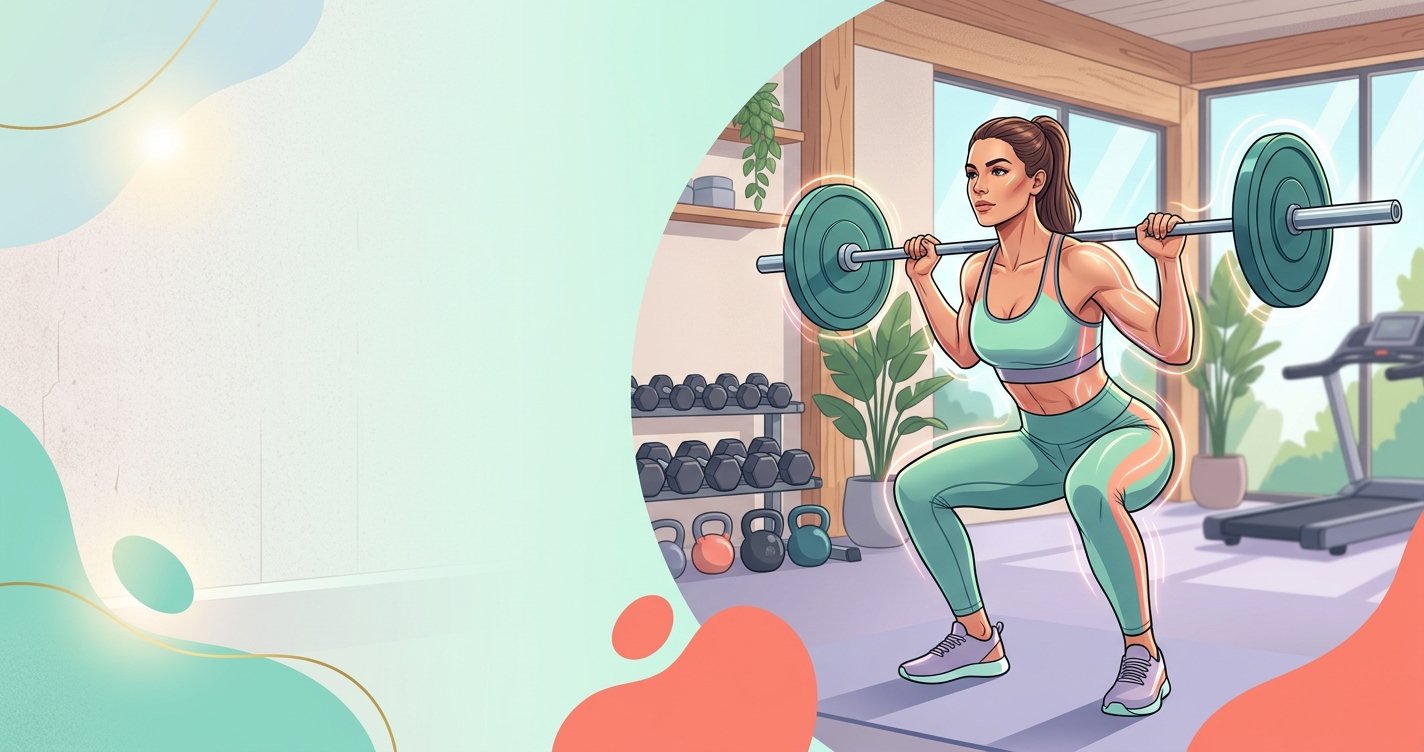
For years, the conventional wisdom for fat loss has revolved around endless hours on the treadmill, elliptical, or spin bike. While cardio certainly has its place in a healthy lifestyle, if your primary goal is sustainable, long-term fat loss and a truly transformed physique, it might be time to rethink your strategy. The secret weapon you've been overlooking? Strength training.
That's right, lifting weights isn't just for bodybuilders or those looking to 'bulk up.' For anyone aiming to shed fat, sculpt their body, and boost their metabolism, strength training is arguably the most effective and efficient path. And don't worry, we're going to break down the science, debunk the myths, and show you exactly how to leverage this incredible tool to achieve your fat loss goals. this excellent wellness product
Why Strength Training Trumps Cardio for Fat Loss: The Science Behind the Sweat
Let's dive into why pushing iron can be more effective than pounding pavement when it comes to burning fat and keeping it off.
1. The Metabolic Afterburn (EPOC) Effect
When you finish an intense strength training session, your body doesn't just stop burning calories. It enters a state known as Excess Post-exercise Oxygen Consumption (EPOC), often called the 'afterburn effect.' This means your body continues to burn elevated calories for hours, sometimes even days, after your workout as it recovers, repairs muscle tissue, and returns to its pre-exercise state. While cardio offers some EPOC, the effect is generally more pronounced and longer-lasting with strength training due to the greater physiological stress involved in muscle repair and rebuilding.
2. Muscle is Your Metabolic Powerhouse
This is perhaps the most crucial point. Muscle tissue is metabolically active, meaning it burns more calories at rest than fat tissue does. The more muscle you have, the higher your Basal Metabolic Rate (BMR) will be. A higher BMR means your body is burning more calories simply by existing, even when you're sleeping or watching TV. So, by building muscle through strength training, you're essentially turning your body into a more efficient, fat-burning machine 24/7, not just during your workout.
3. Improved Body Composition and a Leaner Look
Fat loss isn't just about the number on the scale; it's about body composition – the ratio of fat to muscle in your body. You could lose 10 pounds through diet and cardio alone, but if you also lose muscle mass, you might end up 'skinny fat' – still having a higher body fat percentage and a less toned appearance. Strength training helps you retain or even build muscle while losing fat, resulting in a leaner, firmer, and more sculpted physique. You might even find your clothes fit better long before the scale shows a significant drop!
Debunking the 'Fear of Bulking Up' Myth
One of the most common concerns, especially among women, is the fear of getting 'too bulky' from lifting weights. Let's put this myth to rest.
- Hormonal Differences: Women simply don't have the same levels of testosterone (the primary muscle-building hormone) as men. Building significant muscle mass requires intense training, a very specific diet, and often, genetic predisposition.
- Intentional Training: Bodybuilders train with a very specific goal and methodology to achieve extreme muscle growth. Casual strength training for fat loss will build a lean, athletic physique, not a bulky one.
- Leaner, Not Larger: What you'll achieve is a stronger, more toned body with less body fat, making you appear leaner and often smaller in size, even if the scale doesn't move dramatically due to muscle gain.
Key Principles for Effective Strength Training for Fat Loss
Ready to start lifting? Here's what you need to know to make your strength training sessions truly effective for fat loss:
1. Progressive Overload
This is the cornerstone of effective strength training. To continue building muscle and getting stronger, you need to continually challenge your muscles. This means gradually increasing the weight, reps, sets, or decreasing rest time over time. If you're not progressively overloading, your muscles won't have a reason to adapt and grow stronger.
2. Focus on Compound Movements
Compound exercises are movements that work multiple muscle groups and joints simultaneously. Think squats, deadlifts, bench presses, overhead presses, and rows. These exercises are incredibly efficient, burn more calories, and elicit a greater hormonal response crucial for muscle building and fat loss compared to isolation exercises (like bicep curls).
3. Aim for Adequate Volume and Intensity
For fat loss and muscle building, a good starting point is 3-4 sets of 6-12 repetitions per exercise, aiming to reach near muscle failure on your last reps. Rest periods of 60-90 seconds between sets are generally effective. The goal is to challenge yourself without sacrificing form.
4. Consistency is King
Just like any fitness goal, consistency is paramount. Aim for 2-4 strength training sessions per week. Don't worry about missing a session here or there, but strive for regularity to see the best results.
Designing Your Fat Loss Strength Training Program
You don't need to be a powerlifter to start. Here's a simple structure to build your program:
Frequency:
- Beginners: 2-3 full-body sessions per week, with at least one rest day between sessions.
- Intermediate/Advanced: 3-4 sessions per week, using a split routine (e.g., upper/lower, push/pull/legs) or continuing with full-body.
Sample Full-Body Workout Structure:
- Warm-up (5-10 minutes): Light cardio (jogging, cycling) followed by dynamic stretches (arm circles, leg swings, bodyweight squats).
- Main Lifts (45-60 minutes): Focus on 1-2 compound exercises per major muscle group.
- Accessory Lifts (10-15 minutes): 1-2 isolation exercises to target specific muscles or improve weak points.
- Cool-down (5-10 minutes): Static stretches, holding each for 20-30 seconds.
Example Exercises:
- Lower Body: Squats (barbell, goblet, dumbbell), Deadlifts (conventional, sumo, Romanian), Lunges, Glute Bridges.
- Upper Body Push: Bench Press (barbell, dumbbell), Overhead Press, Push-ups.
- Upper Body Pull: Rows (barbell, dumbbell, cable), Pull-ups/Lat Pulldowns.
- Core: Planks, Russian Twists, Leg Raises.
Remember, proper form is crucial to prevent injury and maximize effectiveness. If you're new to lifting, consider hiring a certified personal trainer for a few sessions to learn the correct techniques.
Fueling Your Strength for Fat Loss: Nutrition Essentials
You can't out-train a poor diet. Nutrition plays a vital role in both fat loss and muscle building.
- Protein is Key: Aim for 0.7-1 gram of protein per pound of body weight daily. Protein helps preserve muscle mass during a calorie deficit, keeps you feeling full, and has a higher thermic effect (burns more calories during digestion).
- Moderate Calorie Deficit: To lose fat, you need to consume fewer calories than you burn. However, avoid extreme deficits, as this can lead to muscle loss and metabolic slowdown. A deficit of 300-500 calories per day is generally sustainable.
- Hydration: Drink plenty of water throughout the day. It's essential for metabolic functions, nutrient transport, and can help manage hunger.
- Whole Foods Focus: Prioritize whole, unprocessed foods like lean proteins, fruits, vegetables, and healthy fats.
Beyond the Weights: Lifestyle Factors for Success
Strength training and nutrition are powerful, but don't forget these supporting pillars:
- Prioritize Sleep: Aim for 7-9 hours of quality sleep per night. Lack of sleep can disrupt hormones that regulate appetite and fat storage (ghrelin, leptin, cortisol).
- Manage Stress: Chronic stress elevates cortisol levels, which can promote fat storage, especially around the abdomen. Incorporate stress-reducing activities like meditation, yoga, or spending time in nature.
- Stay Active: While strength training is primary for fat loss, don't neglect general activity. Walking, cycling, or playing sports can contribute to your daily calorie burn and overall health.
Putting It All Together: Your Path to Sustainable Fat Loss
Embracing strength training as your core strategy for fat loss is a game-changer. It's not just about losing weight; it's about transforming your body composition, boosting your metabolism, and building a stronger, more resilient you. You'll gain confidence, improve your physical capabilities, and enjoy a sustainable path to a leaner, healthier physique.
So, step away from the endless cardio, pick up those weights, and start building the body you've always wanted. Your journey to sustainable fat loss starts now!