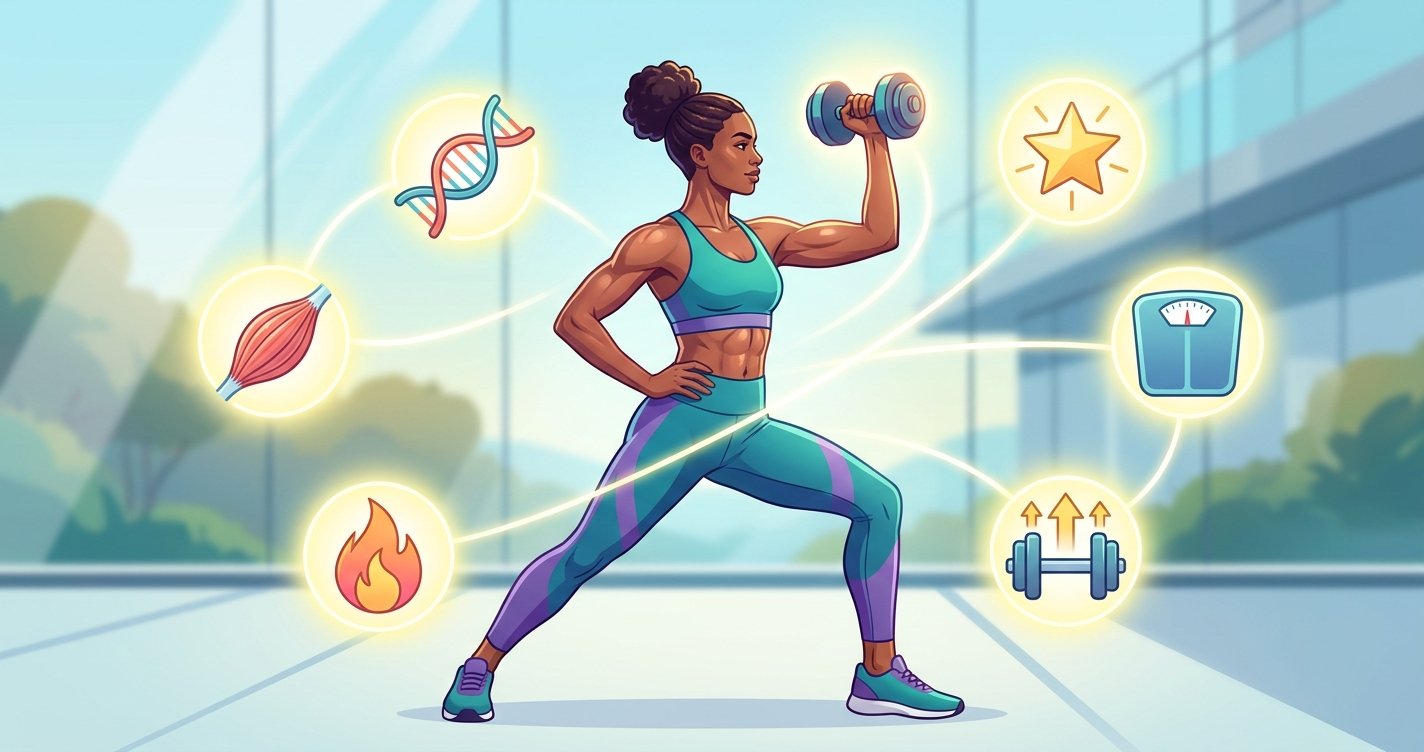
Are you tired of endless cardio sessions that leave you feeling drained, yet the stubborn fat just won't budge? You're not alone. Many people mistakenly believe that long runs and elliptical workouts are the only path to a leaner physique. But what if we told you there's a more efficient, sustainable, and even empowering way to melt fat and transform your body? It's time to uncover your fat-loss superpower: building muscle.
Forget the myth that strength training will make you 'bulky.' This evidence-based approach is a game-changer for anyone looking to shed fat, boost their metabolism, and sculpt a strong, healthy body. Let's dive into why lifting weights isn't just for bodybuilders, but for everyone aiming for effective and lasting fat loss. this excellent wellness product
Why Muscle is Your Metabolic Master Key for Fat Loss
When most people think of fat loss, they immediately think of burning calories during exercise. While that's part of the equation, it's a relatively small part compared to what your body does at rest. Your Basal Metabolic Rate (BMR) – the calories your body burns just to stay alive – accounts for the vast majority of your daily energy expenditure. And guess what significantly influences your BMR?
Muscle tissue! Unlike fat, which is largely inert, muscle is metabolically active. This means that every pound of muscle on your frame requires more energy to maintain than a pound of fat. The more muscle you have, the higher your BMR will be, meaning you burn more calories around the clock, even when you're sleeping or binge-watching your favorite show. It's like having a tiny, internal fat-burning furnace that works 24/7.
Think of it this way: building muscle essentially increases your body's energy demands, making it easier to achieve and maintain the caloric deficit required for fat loss without drastically cutting food or spending hours on the treadmill. It's a fundamental shift in how your body processes and uses energy.
The Science Behind Muscle, Metabolism, and EPOC
Beyond the elevated BMR, strength training offers another powerful metabolic advantage known as EPOC (Excess Post-exercise Oxygen Consumption), often referred to as the 'afterburn effect.' After a challenging strength training session, your body doesn't just immediately return to its resting state. It continues to burn extra calories for hours, sometimes even days, as it works to repair muscle tissue, replenish energy stores, and restore physiological balance.
Studies have shown that high-intensity resistance training can significantly increase EPOC compared to steady-state cardio. This means you're not just burning calories during your workout, but you're also turning your body into a calorie-burning machine long after you've left the gym. This prolonged calorie burn contributes significantly to your overall daily energy expenditure, making fat loss more efficient.
Moreover, building muscle improves insulin sensitivity, which helps your body manage blood sugar more effectively and store fewer calories as fat. It also promotes better nutrient partitioning, directing calories towards muscle repair and growth rather than fat storage.
Your Blueprint for Getting Started with Strength Training
Ready to harness this superpower? Here's how to begin your strength training journey for fat loss:
- Focus on Compound Movements: Exercises that work multiple muscle groups simultaneously (e.g., squats, deadlifts, bench presses, overhead presses, rows) are incredibly efficient. They burn more calories, stimulate greater muscle growth, and build functional strength.
- Prioritize Progressive Overload: To continue building muscle, you need to challenge your body. This means gradually increasing the weight, reps, sets, or decreasing rest times over time. Your muscles adapt quickly, so consistent challenge is key.
- Aim for 2-4 Sessions Per Week: Consistency is more important than intensity in the beginning. Start with 2-3 full-body workouts per week, allowing a day of rest in between for muscle recovery and growth. As you get stronger, you can increase to 3-4 sessions, potentially splitting muscle groups.
- Form Over Weight: Always prioritize proper form to prevent injury and ensure you're effectively targeting the intended muscles. Don't be afraid to start with lighter weights or even just your body weight.
- Consider Professional Guidance: If you're new to strength training, working with a certified personal trainer, even for a few sessions, can be invaluable for learning proper form and developing a safe, effective program.
Fueling Your Muscles for Optimal Fat Loss
You can't build a strong house without bricks, and you can't build muscle without proper nutrition. While a caloric deficit is necessary for fat loss, it's crucial to ensure you're eating enough to support muscle growth and recovery, especially adequate protein.
- Protein is Paramount: Aim for 0.7-1 gram of protein per pound of body weight daily. Protein provides the amino acids needed for muscle repair and growth, helps you feel full, and has a higher thermic effect (meaning your body burns more calories digesting it) than carbs or fats.
- Don't Fear Carbs and Fats: While protein is king, carbohydrates provide the energy for your workouts and aid recovery, while healthy fats are essential for hormone production and overall health. Focus on complex carbs (whole grains, fruits, vegetables) and healthy fats (avocado, nuts, seeds, olive oil).
- Maintain a Moderate Caloric Deficit: A deficit of 300-500 calories below your maintenance level is generally effective for fat loss while allowing you to preserve or even build muscle (especially for beginners). Avoid extreme deficits, which can lead to muscle loss.
- Hydration is Key: Water is critical for all bodily functions, including metabolism and muscle performance. Drink plenty throughout the day.
Beyond the Scale: The Holistic Benefits of Building Muscle
While fat loss is a primary goal, the benefits of building muscle extend far beyond what the scale shows. You'll experience a profound improvement in overall health and quality of life:
- Improved Body Composition: Even if your weight on the scale doesn't drop dramatically, replacing fat with muscle will lead to a leaner, more toned appearance. This is body recomposition at its finest.
- Increased Strength and Functional Fitness: Everyday tasks become easier, and you'll feel more capable and energetic.
- Enhanced Bone Density: Strength training is one of the best ways to combat age-related bone loss and reduce the risk of osteoporosis.
- Better Mood and Mental Health: Exercise, especially strength training, releases endorphins, reduces stress, and can significantly improve self-esteem and body image.
- Reduced Risk of Chronic Diseases: Building muscle is linked to better blood sugar control, improved cardiovascular health, and a reduced risk of conditions like Type 2 diabetes.
- Boosted Confidence: Seeing your strength increase and your body transform is incredibly empowering.
Debunking Common Muscle-Building Myths
Let's address some common misconceptions that might be holding you back:
- “Women will get bulky”: This is perhaps the biggest myth. Due to significantly lower testosterone levels, women generally lack the hormonal profile to build large amounts of muscle without extreme dedication and specific dietary protocols. You will get strong and toned, not 'bulky.'
- “I'm too old to start”: It's never too late to start building muscle! Resistance training is beneficial at any age, improving strength, balance, and bone health, and can even reverse some age-related muscle loss.
- “Cardio is better for fat loss”: While cardio burns calories, strength training offers the unique metabolic boost and body recomposition benefits that make it superior for sustainable fat loss and a truly transformed physique. A combination of both is ideal, but don't neglect the weights!
- “I need to spend hours in the gym”: Effective strength training doesn't require hours. Consistent 45-60 minute sessions, 3-4 times a week, are often sufficient to see significant results.
Making It Sustainable and Enjoyable
The key to long-term success is finding a routine you enjoy and can stick with. Experiment with different types of strength training (free weights, machines, bodyweight, resistance bands) and find what resonates with you. Set realistic goals, celebrate small victories, and focus on how you feel – stronger, more energetic, and more confident – rather than just the number on the scale.
Remember, this is a journey, not a race. There will be days you feel strong and days you don't. Listen to your body, prioritize recovery, and be patient. Consistency and dedication will lead to incredible results.
Embrace Your Strength, Transform Your Body
It's time to shift your perspective on fat loss. Stop chasing quick fixes and embrace the powerful, lasting change that building muscle offers. By incorporating strength training into your routine and fueling your body wisely, you'll not only shed stubborn fat but also build a stronger, healthier, and more confident version of yourself. Your fat-loss superpower is waiting – unleash it today!