Tired of chasing quick fixes and feeling frustrated by diets that promise the world but deliver only disappointment? You’re not alone. The world of fat loss can seem overwhelming, filled with conflicting advice and extreme measures. But what if we told you there’s a foundational principle, backed by science, that can simplify your journey and lead to lasting results? Enter the caloric deficit. It's not a fad diet; it's the bedrock of sustainable fat loss, and understanding it is your first step towards achieving your goals without feeling deprived or overwhelmed. Let's demystify it together, with a friendly, evidence-based approach that empowers you to take control.
What Exactly Is a Caloric Deficit?
At its heart, a caloric deficit is beautifully simple: it means consuming fewer calories than your body expends. Think of your body as a car. If you put less fuel in than it uses to drive, it eventually has to tap into its reserve tank. For your body, that 'reserve tank' is your stored fat. this excellent wellness product
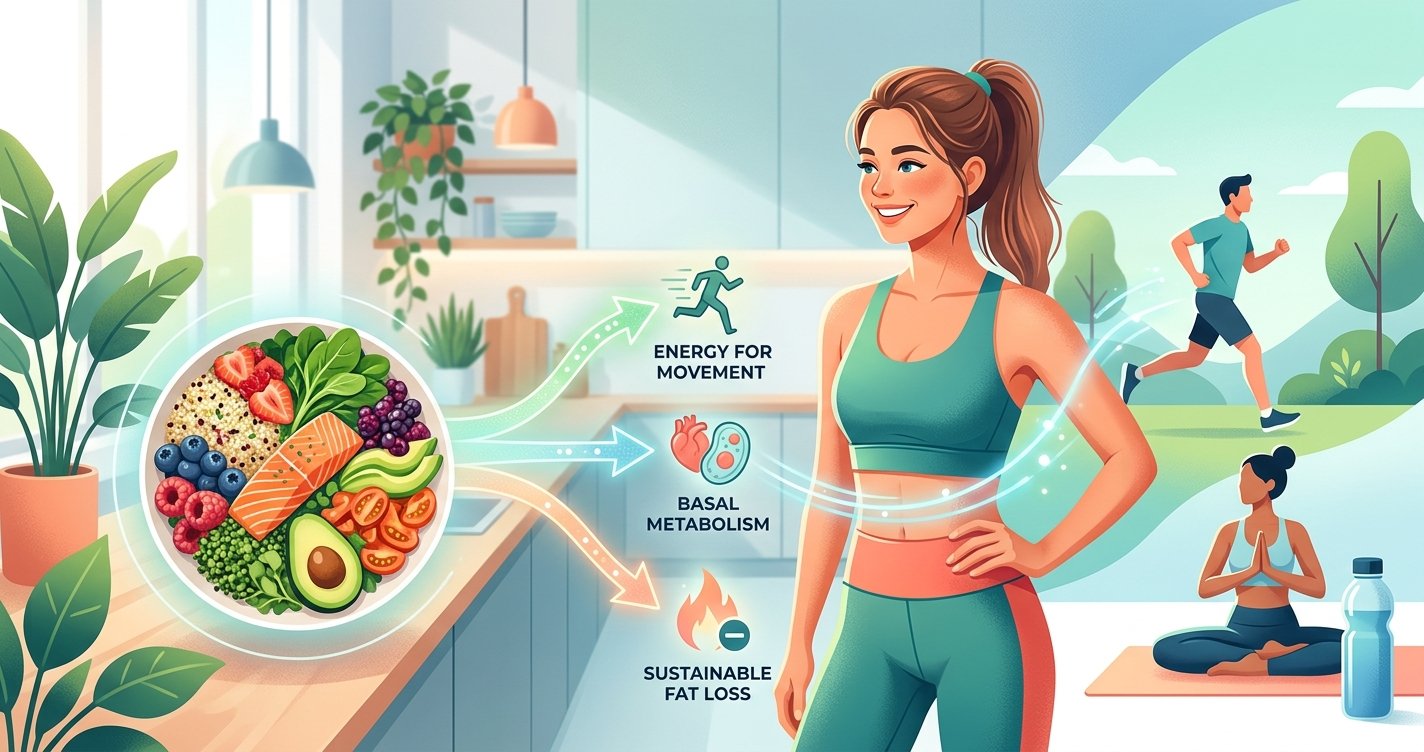
Every single day, your body uses energy (calories) for everything from breathing and circulating blood (your Basal Metabolic Rate or BMR) to digesting food and powering your workouts. This total energy expenditure is known as your Total Daily Energy Expenditure (TDEE). When your calorie intake consistently falls below your TDEE, your body is forced to burn stored fat for energy, leading to fat loss. It’s the fundamental principle of energy balance, and it’s non-negotiable for losing fat.
Why the Caloric Deficit is Your Fat Loss Foundation
The caloric deficit isn't just one strategy among many; it's the strategy for fat loss. This isn't opinion; it's basic physics, specifically the first law of thermodynamics, applied to the human body. Energy cannot be created or destroyed, only transformed. To reduce the energy stored as fat in your body, you must expend more energy than you consume.
Understanding this principle liberates you from falling for restrictive detoxes or magic pills. It empowers you with the knowledge that you have control over your body composition through sensible, consistent choices. It’s about creating a sustainable energy gap that encourages your body to tap into fat stores, leading to gradual, healthy, and lasting fat loss.
Calculating Your Caloric Needs: The Starting Point
Before you can create a deficit, you need to know your baseline – how many calories your body needs to maintain its current weight. This isn't an exact science, but we can get a good estimate.
Understanding BMR and TDEE
- Basal Metabolic Rate (BMR): This is the number of calories your body burns at rest, just to keep vital functions going (breathing, circulation, organ function). It’s influenced by age, gender, weight, and genetics.
- Total Daily Energy Expenditure (TDEE): This is your BMR plus the calories burned through physical activity, digestion, and even fidgeting. It's the total number of calories you burn in a day.
Online calculators (like those found on fitness websites) can provide a starting estimate for your BMR and TDEE based on your stats and activity level. Remember, these are estimates. They provide a useful starting point, but individual metabolism and activity levels vary.
A Simpler Approach: Track and Adjust
If calculating feels daunting, here’s a practical alternative: for one week, track everything you eat and drink accurately, without trying to change anything. At the end of the week, if your weight has remained stable, the average daily calorie intake you recorded is roughly your maintenance level. This is often more accurate for your body than a generic calculator.
Creating Your Deficit: How Much is Enough?
Once you know your approximate maintenance calories, the next step is to create a deficit. But how big should it be?
For sustainable, healthy fat loss, a moderate deficit is key. Aim for a reduction of 300-500 calories per day from your maintenance level. This typically translates to a fat loss of 1 to 2 pounds per week, which is considered a healthy and sustainable rate. A deficit larger than this can lead to:
- Excessive muscle loss (which can slow your metabolism).
- Nutrient deficiencies.
- Extreme hunger and cravings, making adherence difficult.
- Fatigue and irritability.
- A rebound effect where you regain lost weight quickly.
The goal is to feel good, have energy, and create a lifestyle you can maintain, not to suffer through starvation. Listen to your body and adjust as needed.
Smart Strategies to Achieve Your Caloric Deficit
Creating a caloric deficit isn't about eating less food; it's about eating smarter. Here are some effective, friendly strategies:
Prioritize Protein and Fiber
- Protein: It’s incredibly satiating, meaning it keeps you feeling full longer, which naturally reduces overall calorie intake. It also helps preserve precious muscle mass during fat loss. Aim for a good source of protein at every meal.
- Fiber: Found in fruits, vegetables, and whole grains, fiber adds bulk to your meals without adding many calories. It aids digestion and, like protein, helps with satiety.
Embrace Whole, Unprocessed Foods
Focus on nutrient-dense foods like lean meats, fish, eggs, fruits, vegetables, legumes, and whole grains. These foods are generally lower in calorie density (meaning you can eat more volume for fewer calories) and packed with essential vitamins and minerals. Highly processed foods, on the other hand, are often calorie-dense, low in nutrients, and designed to be hyper-palatable, making it easy to overeat.
Mindful Eating Practices
Slow down! Pay attention to your food – its taste, texture, and smell. Eat without distractions (no TV or phone). This helps you recognize your body's hunger and fullness cues, preventing mindless overeating and allowing you to truly enjoy your meals.
Hydration is Key
Often, what we perceive as hunger is actually thirst. Drinking plenty of water throughout the day can help you feel fuller, support your metabolism, and prevent unnecessary snacking. Sometimes, a glass of water before a meal can naturally reduce your appetite.
Beyond Calories: The Role of Movement and Sleep
While a caloric deficit is the primary driver of fat loss, other lifestyle factors play crucial supporting roles.
Move Your Body Regularly
Exercise contributes to your TDEE, burning calories and helping to create that deficit. More importantly, strength training is vital for preserving muscle mass during fat loss, which helps maintain your metabolism. Don't underestimate the power of Non-Exercise Activity Thermogenesis (NEAT) either – simply moving more throughout your day (taking stairs, walking more) adds up!
Prioritize Quality Sleep
Poor sleep can wreak havoc on your fat loss efforts. It disrupts hormones that regulate hunger (ghrelin) and satiety (leptin), often leading to increased cravings for unhealthy foods and reduced energy for workouts. Aim for 7-9 hours of quality sleep each night.
Patience, Consistency, and Self-Compassion are Your Allies
Fat loss is a journey, not a sprint. There will be good days and challenging days. Your weight might fluctuate, and plateaus are normal. The key is to be patient, consistent, and kind to yourself.
Don't strive for perfection; strive for consistency. Small, sustainable changes made day after day will yield far greater results than extreme, short-lived efforts. If you have an off day, don't throw in the towel. Acknowledge it, learn from it, and get back on track with your next meal or activity. Your mental well-being is just as important as your physical progress.
Your Sustainable Fat Loss Journey Starts Now
Understanding and applying the principle of a caloric deficit is the most powerful tool you have for sustainable fat loss. It's not about deprivation; it's about intelligent choices that nourish your body while gently encouraging it to tap into its fat stores. By focusing on whole foods, prioritizing protein and fiber, staying hydrated, moving your body, and getting enough sleep, you can achieve your caloric deficit in a way that feels empowering and sustainable.
Remember, this is your journey. Start small, be consistent, and trust the process. You have the knowledge and the power to create lasting, healthy changes. Let's make fat loss a friendly, achievable goal, one smart choice at a time!