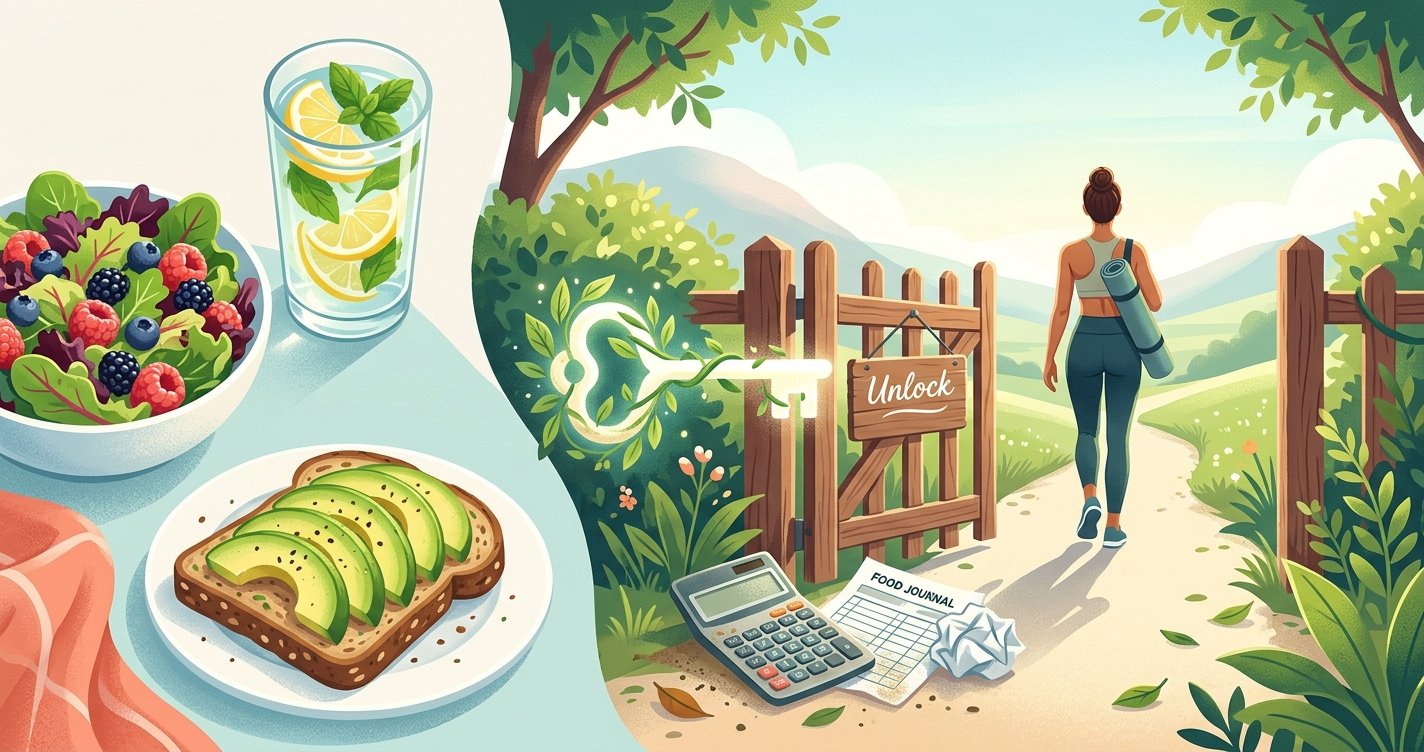
You've heard it a million times: to lose fat, you need to be in a calorie deficit. While fundamentally true, the idea of meticulously tracking every bite and sip can feel overwhelming, restrictive, and frankly, exhausting. Many people start with the best intentions, only to burn out quickly, feeling defeated and frustrated. What if we told you there's a more intuitive, sustainable, and less obsessive way to achieve that crucial calorie deficit? A way that empowers you to build lifelong habits rather than just follow a temporary diet?
This isn't about ignoring the science; it's about translating it into practical, everyday strategies that fit into your busy life. We're going to dive deep into how you can create an effective calorie deficit for real, lasting fat loss, all without the constant need for food scales, apps, and calorie calculators. Get ready to ditch the tracking stress and embrace a smarter, friendlier approach to your fat loss journey! this excellent wellness product
The Core Principle: Why a Calorie Deficit is Non-Negotiable for Fat Loss
Before we explore the 'how,' let's briefly touch upon the 'why.' A calorie deficit simply means you're consuming fewer calories than your body expends each day. Your body needs energy (calories) for everything from breathing and thinking to exercising and digesting food. If you consistently provide less energy than it needs, your body taps into its stored energy reserves – primarily body fat – to make up the difference. This is the fundamental mechanism of fat loss. There's no magic pill or secret food that bypasses this principle. However, understanding this doesn't mean you have to become a human calculator. It means we need smart strategies to naturally reduce your intake and increase your expenditure in ways that feel good and are easy to maintain.
Beyond the Calculator: Smart Strategies for an Automatic Deficit
The beauty of these methods is that they leverage your body's natural hunger and satiety signals, optimize your food choices, and enhance your overall lifestyle to create a calorie deficit without the mental burden of constant tracking. Think of it as 'stealth' fat loss.
Embrace Whole, Unprocessed Foods: Your Nutritional North Star
This is arguably the most powerful strategy. Whole foods – fruits, vegetables, lean proteins, whole grains, and healthy fats – are naturally more nutrient-dense and satisfying than their processed counterparts. They're typically lower in calories for a larger volume, higher in fiber, and free from the added sugars and unhealthy fats that often drive overeating. Imagine a large bowl of salad with grilled chicken versus a small bag of chips. The salad is far more filling and nutritious, yet likely contains fewer calories. By making whole foods the cornerstone of your diet, you'll automatically reduce your calorie intake while feeling fuller and more satisfied.
Master Portion Control (Without a Scale): Your Hand is Your Guide
Forget the food scale for a moment. Your own hand can be a surprisingly effective tool for estimating portions. This method isn't about pinpoint accuracy, but about consistency and mindful awareness:
- Protein (meat, fish, poultry): A palm-sized portion for women, two palm-sized portions for men.
- Vegetables (non-starchy): As much as you can fit in your cupped hands (aim for plenty!).
- Carbohydrates (grains, starchy veggies): A cupped-hand portion for women, two cupped-hand portions for men.
- Fats (nuts, seeds, oils): A thumb-sized portion for women, two thumb-sized portions for men.
Start by observing what a typical portion looks like using your hand. Over time, this becomes second nature, helping you manage your intake without obsessive counting. Remember, it's about moderation, not deprivation.
Hydration is Your Secret Weapon: Drink Up!
Often, what we perceive as hunger is actually thirst. Drinking a large glass of water before meals can help fill your stomach, leading you to eat less. Throughout the day, staying well-hydrated can also curb unnecessary snacking and keep your energy levels stable. Aim for at least 8-10 glasses of water daily, and consider keeping a water bottle handy as a visual reminder. Sometimes, a sparkling water with a slice of lemon or lime can also satisfy a craving for something 'more exciting' than plain water without adding calories.
Prioritize Protein and Fiber: The Satiety Super Duo
These two nutrients are your best friends for fat loss. Protein is incredibly satiating, meaning it keeps you feeling full for longer. It also has a higher thermic effect, meaning your body burns more calories digesting it compared to fats or carbs. Fiber, found abundantly in fruits, vegetables, and whole grains, adds bulk to your meals, slows digestion, and helps regulate blood sugar, preventing energy crashes and subsequent cravings. Make sure every meal includes a good source of lean protein (chicken, fish, eggs, tofu, legumes) and plenty of fiber-rich plant foods.
Strategic Snacking and Mindful Eating: Listen to Your Body
If you need to snack, make it strategic. Opt for protein and fiber-rich options like Greek yogurt with berries, a handful of almonds, or apple slices with peanut butter. More importantly, practice mindful eating: eat slowly, savor each bite, pay attention to your body's hunger and fullness cues, and put away distractions like your phone or TV. Stop eating when you're satisfied, not stuffed. This simple practice can dramatically reduce your overall calorie intake without feeling restrictive.
Be Mindful of Liquid Calories: They Add Up Fast!
Liquid calories are often the sneakiest culprits in sabotaging a calorie deficit. Sugary sodas, fruit juices (even 100% juice can be high in sugar), fancy coffee drinks loaded with syrups and whipped cream, and alcoholic beverages all pack a significant caloric punch without providing much satiety. Swapping these for water, unsweetened tea, black coffee, or sparkling water can create a substantial calorie deficit with minimal effort or feeling of deprivation.
The Power of Sleep and Stress Management: Beyond Just Food
While not directly about food, sleep and stress profoundly impact your ability to maintain a calorie deficit. Poor sleep disrupts hormones like ghrelin (which stimulates hunger) and leptin (which signals fullness), leading to increased cravings for high-calorie, high-sugar foods. Chronic stress can also elevate cortisol, encouraging fat storage around the midsection and increasing emotional eating. Prioritizing 7-9 hours of quality sleep and incorporating stress-reducing activities like meditation, yoga, or spending time in nature can significantly support your fat loss efforts by regulating your appetite and improving your overall well-being.
Putting It All Together: Your Non-Tracking Fat Loss Plan
So, how do you weave these strategies into your daily life for consistent fat loss? It's simpler than you think:
- Start Your Day Right: A protein and fiber-rich breakfast (e.g., scrambled eggs with veggies, Greek yogurt with berries) sets you up for satiety and stable energy.
- Hydrate Strategically: Drink water before and during meals, and throughout the day.
- Plate Method Power: Fill half your plate with non-starchy vegetables, a quarter with lean protein, and a quarter with whole grains or starchy vegetables.
- Mindful Eating: Slow down, savor your food, and stop when comfortably full.
- Smart Snacking: If you need to snack, choose protein and fiber-rich options.
- Cut Liquid Calories: Prioritize water, tea, or black coffee.
- Prioritize Sleep & Stress: Make these non-negotiable for hormone balance and mood regulation.
- Move Your Body: Incorporate regular physical activity (walking, strength training) to increase your calorie expenditure and support overall health.
Listen to Your Body, Adjust, and Be Patient
The beauty of this approach is its flexibility and adaptability. There will be days when you eat more, and days when you eat less. That's perfectly normal. The goal isn't perfection, but consistency in applying these principles. Pay attention to how your body feels: are you feeling satisfied after meals? Are your energy levels stable? Are your clothes fitting differently? These are all indicators of progress, far more meaningful than a number on a calorie tracker.
Fat loss is a journey, not a race. Be patient with yourself, celebrate small victories, and remember that building sustainable habits takes time. This non-tracking approach fosters a healthier relationship with food, empowers you to make intuitive choices, and sets you up for lasting success.
Conclusion: Your Path to Sustainable Fat Loss Without the Obsession
Achieving a calorie deficit for fat loss doesn't have to mean a life dictated by calorie counts and restrictive rules. By focusing on whole, nutrient-dense foods, mastering intuitive portion control, prioritizing hydration, protein, and fiber, and optimizing your lifestyle with adequate sleep and stress management, you can create a powerful, sustainable calorie deficit that leads to real results. This approach empowers you to listen to your body, enjoy your food, and build habits that support not just fat loss, but overall health and well-being for the long haul. You've got this – trust the process, trust your body, and enjoy the freedom of sustainable fat loss!