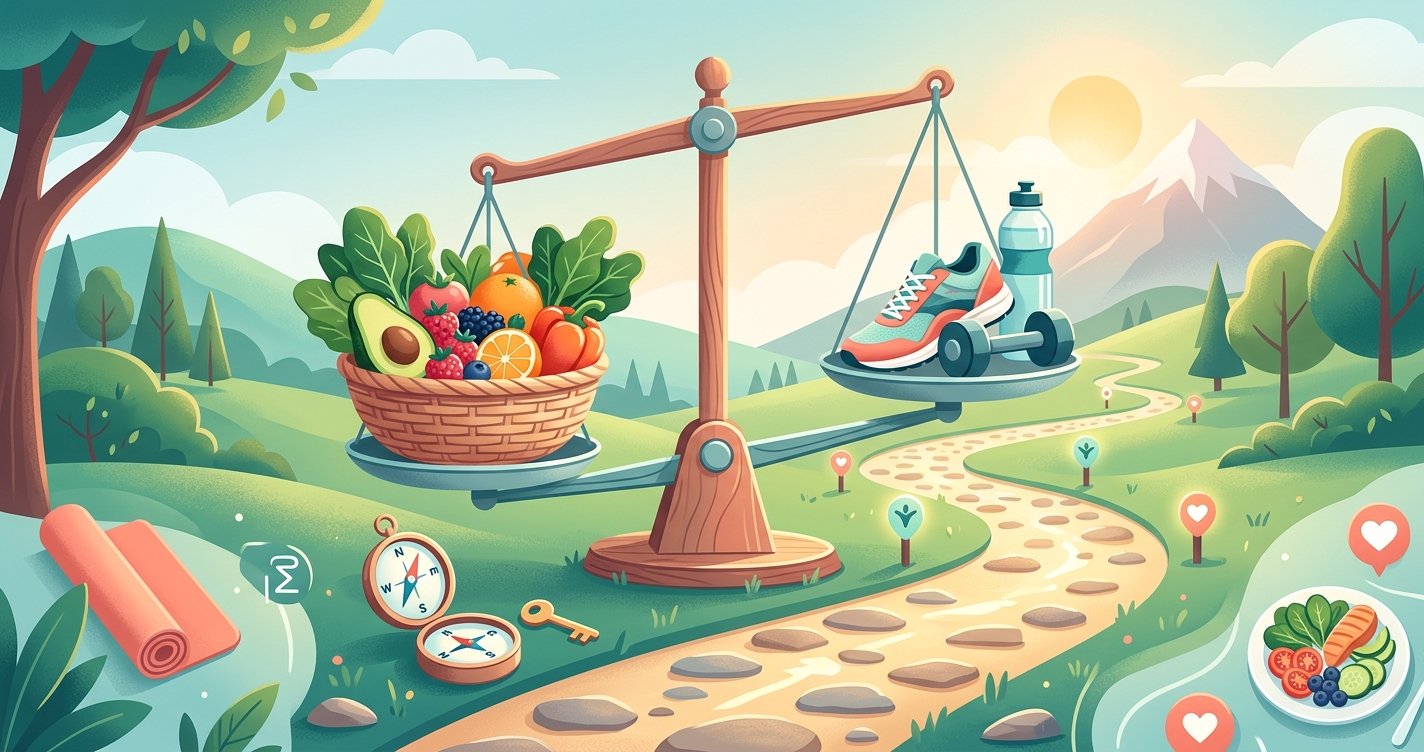
Ever felt like fat loss is a mysterious puzzle with missing pieces? You’re not alone! With countless diets, workout fads, and conflicting advice floating around, it’s easy to get lost. But what if we told you there’s one fundamental, scientifically proven principle that underpins all successful fat loss? It’s called the calorie deficit, and understanding it is your golden ticket to achieving your goals sustainably, without resorting to extreme measures or feeling deprived.
Forget the magic pills and quick fixes. This isn't about restriction; it's about balance, understanding your body, and making smart, informed choices. In this comprehensive guide, we'll demystify the calorie deficit, explain why it’s non-negotiable for fat loss, and equip you with practical, evidence-based strategies to create one safely and effectively. Get ready to unlock the secrets to a leaner, healthier you! this excellent wellness product
What Exactly IS a Calorie Deficit? The Energy Balance Equation Simplified
At its core, fat loss is a simple equation of energy balance. Think of your body like a car. Food is your fuel, measured in units called calories. Your body needs a certain amount of fuel each day just to function – breathing, thinking, circulating blood, digesting food, and moving around. This is your Total Daily Energy Expenditure (TDEE).
A calorie deficit occurs when you consistently consume fewer calories (energy in) than your body expends (energy out) over a period of time. When this happens, your body, being incredibly efficient, turns to its stored energy reserves – primarily body fat – to make up the difference. This process is what leads to fat loss.
It’s not about starving yourself; it’s about creating a slight, manageable imbalance where your body has no choice but to tap into its fat stores. Without this deficit, regardless of how 'healthy' your food choices are or how much you exercise, significant fat loss simply won't happen. It's the immutable law of thermodynamics applied to your body.
Why a Calorie Deficit is Non-Negotiable for Sustainable Fat Loss
While various diets (Keto, Paleo, Vegan, Mediterranean, etc.) can be effective for fat loss, their success ultimately boils down to one common factor: they help you create a calorie deficit, often by making you feel fuller on fewer calories or by limiting calorie-dense foods. But it's not the specific diet itself that causes fat loss; it's the resulting energy imbalance.
Understanding this fundamental principle empowers you. It means you don't have to adhere to a rigid, often unsustainable diet that you dislike. Instead, you can learn to manage your calorie intake within a flexible framework that suits your lifestyle, preferences, and cultural background. This is crucial for sustainable fat loss – the kind that lasts a lifetime, not just a few weeks.
Furthermore, an evidence-based approach to fat loss emphasizes that while food quality is vital for overall health, body composition changes are primarily driven by quantity (calories) relative to expenditure. You can eat all organic, whole foods and still gain fat if you consume too many calories. Conversely, you can lose fat eating less-than-perfect foods, provided you're in a deficit (though this isn't recommended for health!). The sweet spot is high-quality food within a calorie deficit.
How to Safely and Effectively Create Your Calorie Deficit
Creating a calorie deficit doesn't have to be complicated. Here's a step-by-step approach:
Step 1: Estimate Your Total Daily Energy Expenditure (TDEE)
Your TDEE is the total number of calories your body burns in a day. It includes:
- Basal Metabolic Rate (BMR): Calories burned at rest, just to keep you alive.
- Thermic Effect of Food (TEF): Calories burned digesting food.
- Non-Exercise Activity Thermogenesis (NEAT): Calories burned from daily activities outside of structured exercise (walking, fidgeting, cleaning, etc.).
- Exercise Activity Thermogenesis (EAT): Calories burned during planned workouts.
You can estimate your TDEE using online calculators (search for "TDEE calculator"). These tools typically ask for your age, gender, height, weight, and activity level to provide a good starting point. Remember, these are estimates, and your actual TDEE might vary slightly.
Step 2: Determine Your Calorie Deficit Target
Once you have your estimated TDEE, you'll subtract a certain number of calories to create your deficit. For sustainable and healthy fat loss, a deficit of 300-500 calories per day is generally recommended. This typically leads to a fat loss of 0.5 to 1 pound per week (since roughly 3,500 calories equals one pound of fat).
- Example: If your TDEE is 2,500 calories, a 500-calorie deficit would mean aiming for 2,000 calories per day.
A moderate deficit helps preserve muscle mass, prevents excessive hunger, and makes the process more manageable in the long run. Aggressive deficits (e.g., 1000+ calories below TDEE) can lead to nutrient deficiencies, muscle loss, fatigue, and are very difficult to sustain.
Strategies for Achieving Your Calorie Deficit (Without Starving!)
Creating a deficit isn't just about eating less; it's about eating smarter and moving more. Here’s how to do it effectively:
Dietary Adjustments: Optimize Your Food Choices
- Prioritize Protein: Protein is incredibly satiating, helping you feel fuller for longer. It also has a higher thermic effect (meaning your body burns more calories digesting it) and is crucial for preserving muscle mass during fat loss. Aim for 0.7-1 gram of protein per pound of body weight.
- Load Up on Fiber-Rich Foods: Fruits, vegetables, and whole grains are packed with fiber, which adds bulk to your meals, aids digestion, and promotes satiety with fewer calories. They are also nutrient powerhouses!
- Choose Healthy Fats Wisely: While calorie-dense, healthy fats (avocado, nuts, seeds, olive oil) are essential for hormone production and nutrient absorption. Consume them in moderation to stay within your calorie target.
- Mindful Eating & Portion Control: Pay attention to your hunger and fullness cues. Eat slowly, savor your food, and avoid distractions. Use smaller plates, measure out portions, and read nutrition labels to become aware of calorie content.
- Stay Hydrated: Sometimes, thirst can be mistaken for hunger. Drinking plenty of water throughout the day can help manage appetite and keep you feeling full.
- Limit Liquid Calories: Sugary drinks, specialty coffees, and alcohol can add a significant number of "empty" calories without providing much satiety. Opt for water, unsweetened tea, or black coffee instead.
Increasing Energy Expenditure: Move Your Body More
While diet is king for creating a deficit, increasing your activity level helps widen that deficit and boosts overall health.
- Boost NEAT (Non-Exercise Activity Thermogenesis): This is arguably the most underrated component of energy expenditure. Park further away, take the stairs, stand while working, do household chores, walk during phone calls. These small movements add up significantly over a day and week.
- Incorporate Structured Exercise:
- Strength Training: Crucial for building and preserving muscle mass. More muscle means a higher resting metabolism, helping you burn more calories even at rest. Aim for 2-4 sessions per week.
- Cardiovascular Exercise: Great for burning calories, improving heart health, and boosting mood. Mix in moderate-intensity cardio (brisk walking, cycling) and perhaps some higher-intensity interval training (HIIT) if appropriate for your fitness level.
Common Pitfalls and How to Avoid Them
Even with the best intentions, the fat loss journey can have its bumps. Here are some common mistakes and how to navigate them:
- Too Aggressive a Deficit: As mentioned, cutting too many calories too quickly can lead to extreme hunger, nutrient deficiencies, muscle loss, and metabolic adaptation that makes future fat loss harder. Stick to a moderate deficit.
- Inaccurate Tracking: If you’re not seeing results, you might be underestimating your calorie intake. Be honest and meticulous when tracking, especially with sauces, oils, and snacks.
- Ignoring Hunger Cues (or Over-Restricting): While a deficit means some hunger, chronic, unbearable hunger is a sign your deficit is too large or your food choices aren't satiating enough. Listen to your body and adjust.
- Lack of Patience: Fat loss is a marathon, not a sprint. It won't happen overnight. Celebrate small victories and understand that progress isn't always linear.
- The “Weekend Warrior” Syndrome: Sticking to your deficit during the week only to overeat significantly on weekends can erase your progress. Consistency is key.
- Solely Relying on the Scale: The scale can fluctuate due to water retention, muscle gain, or bowel movements. Look at other markers of progress: how your clothes fit, energy levels, strength improvements, and body measurements.
The Importance of Sustainability and Patience
The best fat loss plan is one you can stick to long-term. Sustainable fat loss isn't about deprivation; it's about building healthy habits that become a part of your everyday life. This means finding foods you enjoy that fit your calorie goals, discovering physical activities you love, and developing a positive relationship with food and your body.
Be kind to yourself throughout the process. There will be days when you go over your calorie target, or skip a workout. That's okay! The key is to learn from those moments, get back on track the next day, and not let a minor setback derail your entire journey. Consistency, not perfection, is what truly matters.
Ready to Decode Your Fat Loss Journey?
Understanding and applying the principle of a calorie deficit is the most powerful tool you have for sustainable fat loss. It’s not a magic trick, but a scientific truth that empowers you to take control. By focusing on whole, nutritious foods, prioritizing protein and fiber, staying active, and being patient with the process, you can create a manageable deficit that leads to lasting results.
No more guesswork, no more fad diets. You now have the knowledge to build a personalized, evidence-based approach to fat loss that truly works. Start today by calculating your estimated TDEE, setting a realistic calorie target, and making small, consistent changes. Your journey to a healthier, happier you begins now!