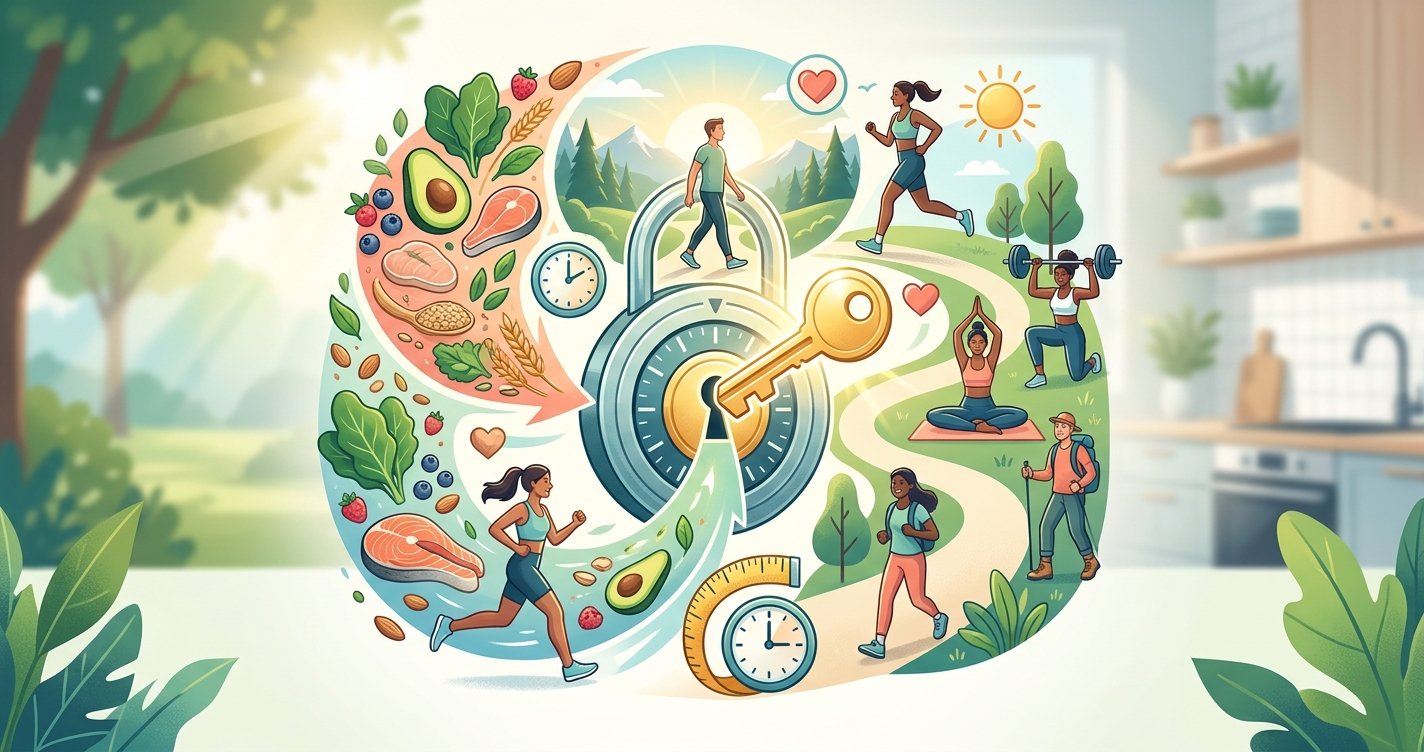
Crack the Code: How a Calorie Deficit Drives Real, Sustainable Fat Loss
In the vast, often confusing world of fat loss, countless diets, supplements, and exercise fads promise quick fixes. You've probably heard it all – 'eat this, not that,' 'train like this for a week,' or 'try this magic pill.' While many approaches can offer temporary results, they often leave you feeling frustrated, deprived, and ultimately, back where you started. What if we told you there's a fundamental, science-backed principle that underpins all successful, sustainable fat loss, and it's simpler than you think?
That principle is the calorie deficit. It's not a diet, a restrictive eating plan, or a gruelling workout regimen; it's the core physiological reality of how your body sheds fat. Understanding and applying this concept isn't about deprivation; it's about empowerment, giving you the knowledge to make informed choices that lead to lasting results. Let's demystify the calorie deficit and equip you with the tools for a genuinely sustainable fat loss journey. this excellent wellness product
What Exactly is a Calorie Deficit? The Science Simplified
At its heart, fat loss boils down to a simple equation: energy in versus energy out. Your body is an incredible machine that requires energy to function, from the beating of your heart to running a marathon. This energy is measured in units called calories.
Energy In vs. Energy Out: The Fundamental Equation
Imagine your body as a bank account for energy. When you consume food and drinks, you're making a deposit (energy in). When your body performs any activity – breathing, thinking, exercising – you're making a withdrawal (energy out).
- Energy Balance: When 'energy in' roughly equals 'energy out,' your body maintains its current weight.
- Calorie Surplus: When 'energy in' consistently exceeds 'energy out,' your body stores the excess energy, primarily as fat, leading to weight gain.
- Calorie Deficit: When 'energy out' consistently exceeds 'energy in,' your body is forced to tap into its stored energy reserves (primarily body fat) to make up the difference, leading to fat loss.
It's that simple. To lose fat, you must consistently consume fewer calories than your body expends.
How Your Body Uses Energy (TDEE Explained)
So, how do we figure out 'energy out'? This is your Total Daily Energy Expenditure (TDEE), and it's made up of several components:
- Basal Metabolic Rate (BMR): This is the number of calories your body burns at rest to maintain basic life functions (breathing, circulation, organ function). It's the largest component of your TDEE.
- Thermic Effect of Food (TEF): The energy your body uses to digest, absorb, and metabolize the food you eat. Protein has a higher TEF than carbs or fats.
- Non-Exercise Activity Thermogenesis (NEAT): Calories burned through activities that aren't formal exercise, like walking to your car, fidgeting, standing, or doing household chores. This can vary wildly between individuals.
- Exercise Activity Thermogenesis (EAT): Calories burned during structured physical activity, like going for a run, lifting weights, or attending a fitness class.
By estimating your TDEE (many online calculators can give you a good starting point), you can then subtract a reasonable number of calories to create your deficit. A common recommendation for sustainable fat loss is a deficit of 300-500 calories per day, which typically leads to 0.5-1 pound of fat loss per week.
Creating Your Calorie Deficit: Practical Strategies
Now that you understand the 'what,' let's dive into the 'how.' Creating a calorie deficit doesn't mean eating nothing; it means making smarter choices that align with your energy goals.
Nutrition: Smart Choices, Not Starvation
This is where most of your deficit will come from. Focus on:
- Whole, Unprocessed Foods: Prioritize fruits, vegetables, lean proteins, and whole grains. These foods are generally lower in calories but higher in nutrients and fiber, keeping you feeling full and satisfied.
- Adequate Protein Intake: Protein is crucial for satiety (feeling full), preserving muscle mass during fat loss, and has a higher TEF. Aim for 0.7-1 gram of protein per pound of target body weight.
- Fiber-Rich Foods: Foods high in fiber (vegetables, fruits, legumes, whole grains) add bulk to your meals, slow digestion, and promote fullness, making it easier to eat less without feeling deprived.
- Mindful Eating & Portion Control: Pay attention to your hunger and fullness cues. Use smaller plates, measure out servings, and avoid mindless snacking.
- Hydration: Often overlooked, drinking plenty of water can help manage hunger and keep your body functioning optimally. Sometimes, thirst is mistaken for hunger.
You don't necessarily need to track every single calorie forever, but doing so for a few weeks can be incredibly insightful, helping you understand the caloric density of different foods and where your 'hidden' calories might be coming from.
Exercise: More Than Just Burning Calories
While nutrition creates the bulk of your deficit, exercise plays a vital supporting role:
- Strength Training: Building and maintaining muscle mass is incredibly beneficial. Muscle is more metabolically active than fat, meaning it burns more calories at rest. Strength training helps preserve muscle during a deficit, ensuring that the weight you lose is primarily fat, not muscle.
- Cardiovascular Exercise: Activities like running, swimming, cycling, or brisk walking directly burn calories, contributing to your deficit. They also improve cardiovascular health and mood.
- Increase NEAT: Look for opportunities to move more throughout your day. Take the stairs, park further away, stand while working, or go for short walks. These small increases in activity can add up significantly over time.
The Pitfalls to Avoid: Common Mistakes on Your Journey
Even with the best intentions, it's easy to stumble. Being aware of common pitfalls can help you navigate your fat loss journey more smoothly.
Too Extreme Deficits: The “Crash Diet” Trap
While a deficit is necessary, going too low can be counterproductive and even harmful. Severely restricting calories often leads to:
- Muscle Loss: Your body might break down muscle for energy, slowing your metabolism.
- Nutrient Deficiencies: It's hard to get all essential vitamins and minerals on very low-calorie diets.
- Metabolic Adaptation: Your body can adapt by slowing down its metabolic rate to conserve energy, making further fat loss harder.
- Unsustainability & Rebound Weight Gain: Extreme diets are impossible to maintain long-term, often leading to binge eating and regaining lost weight (and sometimes more).
Aim for a moderate, consistent deficit that you can comfortably maintain over time.
Underestimating Calorie Intake: The Hidden Calories
Many people struggle with fat loss despite feeling like they're eating very little. The culprit is often hidden calories:
- Condiments & Sauces: Dressings, oils, gravies, and creamy sauces can add hundreds of calories without much satiety.
- Drinks: Sugary sodas, sweetened coffees, alcoholic beverages, and even fruit juices can be major calorie bombs.
- Snacks & Bites: A handful of nuts here, a cookie there – these small additions can quickly add up if not accounted for.
Even if you don't track meticulously, being mindful of these often-overlooked sources can make a huge difference.
Ignoring Sleep and Stress: The Hormonal Impact
Fat loss isn't just about food and exercise; your lifestyle plays a massive role. Poor sleep and chronic stress can sabotage your efforts:
- Sleep Deprivation: Disrupts hormones like ghrelin (increases hunger) and leptin (decreases fullness), making you crave unhealthy foods and feel hungrier.
- Stress: Elevates cortisol levels, which can promote fat storage, particularly around the midsection, and increase cravings for comfort foods.
Prioritizing 7-9 hours of quality sleep and finding healthy ways to manage stress (meditation, walks, hobbies) are crucial for sustainable fat loss.
Sustainable Fat Loss: Making it a Lifestyle
True fat loss isn't a race; it's a marathon. It's about building habits that support your health and well-being for the long run.
Patience and Consistency: The Real Secret
Your body doesn't operate on a strict linear path. There will be days when the scale doesn't move, or even goes up slightly due to water retention, hormonal fluctuations, or other factors. Don't get discouraged!
Consistency in maintaining your deficit, even if imperfectly, is far more important than seeking perfection. Celebrate small victories, learn from setbacks, and keep moving forward. Sustainable fat loss is about progress, not perfection.
Listen to Your Body: Adjusting as You Go
Your TDEE isn't static. As you lose weight, your body requires fewer calories to maintain itself. If you hit a plateau, it might be time to recalculate your TDEE and slightly adjust your calorie intake or increase your activity levels. Pay attention to how you feel – are you genuinely hungry, or just bored? Are you recovering well from workouts? Your body will give you clues; learn to interpret them.
Conclusion: Empower Your Journey with Knowledge
The calorie deficit might not be the flashiest fat loss secret, but it's the most powerful because it's based on undeniable physiological principles. Understanding this fundamental concept empowers you to take control of your journey, making informed, sustainable choices rather than falling for fleeting fads.
Embrace a balanced approach: focus on whole, nutrient-dense foods, incorporate regular exercise (especially strength training), prioritize sleep, manage stress, and most importantly, be patient and consistent. You have the knowledge now to build a healthier, stronger you – one sustainable choice at a time. Your journey to lasting fat loss starts with this understanding, and we're here to cheer you on every step of the way!