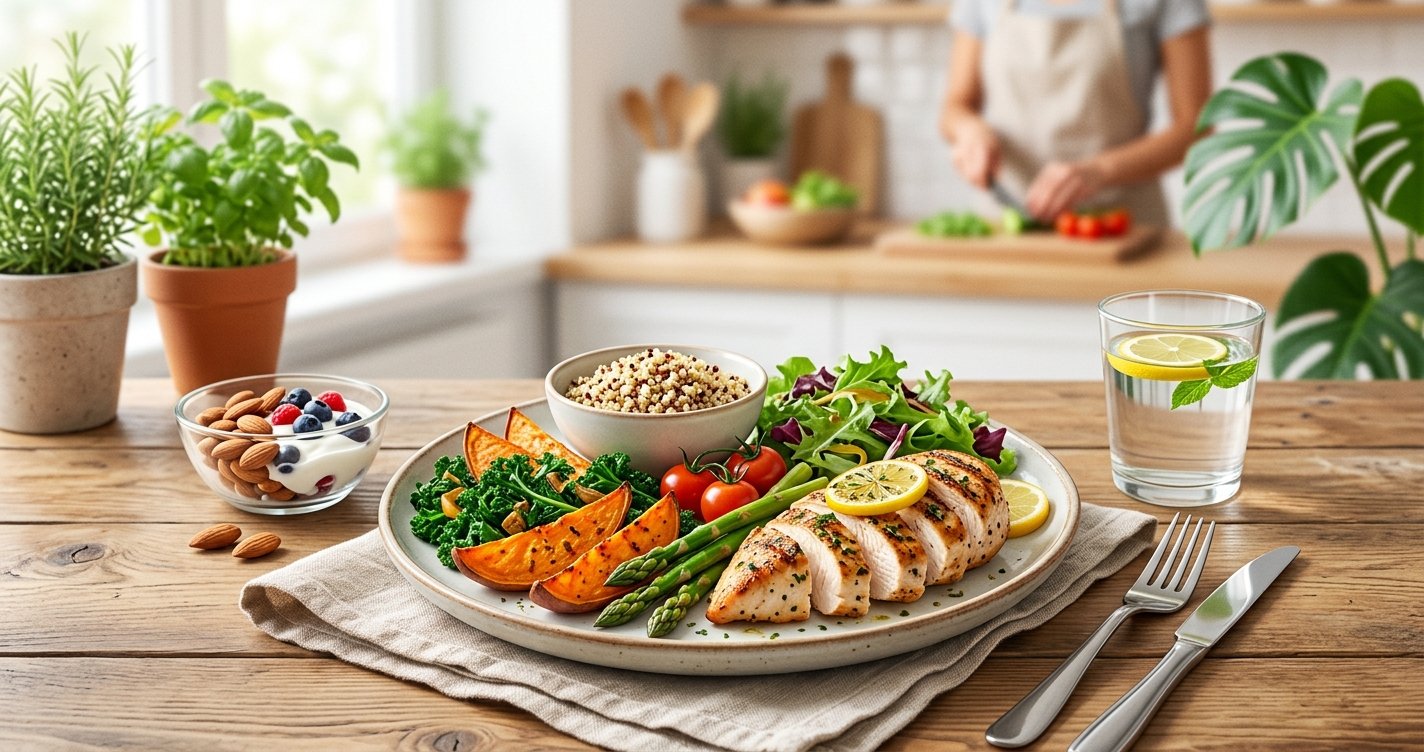
Crafting Your Plate for Lasting Change: The Unbeatable Duo of Protein and Calorie Deficit for Sustainable Fat Loss
Are you tired of the endless cycle of restrictive diets, quick fixes, and the frustration of seeing the scale yo-yo? If you’re nodding along, you’re not alone. The world of fat loss can feel overwhelming, filled with conflicting advice and fads that promise miracles but deliver disappointment. But what if we told you that achieving sustainable, healthy fat loss doesn't require extreme measures or sacrificing your favorite foods forever? It boils down to understanding two incredibly powerful, evidence-based principles: creating a calorie deficit and harnessing the mighty power of protein.
This isn't about deprivation; it's about empowerment through smart nutrition. We're going to dive deep into how these two pillars work together to transform your body composition, boost your energy, and set you on a path to lasting success. Get ready to ditch the confusion and embrace a friendly, science-backed approach to finally achieve your fat loss goals! this excellent wellness product
Understanding the Calorie Deficit: The Non-Negotiable Foundation
Let's start with the fundamental truth of fat loss: you must consume fewer calories than your body burns. This is known as creating a calorie deficit, and it's the undisputed bedrock upon which all successful fat loss strategies are built. Think of it like this: your body needs a certain amount of energy (calories) to perform all its daily functions, from breathing and thinking to exercising and digesting food. If you consistently provide less energy than it needs, your body will tap into its stored energy reserves – primarily body fat – to make up the difference.
Ignoring this principle is like trying to empty a bathtub with the tap still running. No matter what 'superfoods' you eat or how much you exercise, if your calorie intake consistently matches or exceeds your expenditure, fat loss simply won't happen. The good news? You don't need a drastic deficit to see results. A moderate deficit of 300-500 calories below your maintenance level is often sufficient and, crucially, much more sustainable. This allows for steady fat loss (typically 1-2 pounds per week) without feeling overly restricted or impacting your metabolism negatively. Tools like online TDEE (Total Daily Energy Expenditure) calculators can give you a starting estimate, and tracking your intake for a few days can help you understand your current habits.
The Powerhouse Nutrient: Why Protein is Your Best Friend for Fat Loss
While a calorie deficit is the fundamental driver, protein is the ultimate wingman, making the process smoother, more effective, and much more enjoyable. Forget everything you thought you knew about protein being just for bodybuilders. For anyone pursuing fat loss, protein is an absolute game-changer, offering a trifecta of benefits that no other macronutrient can match.
1. Satiety: Keeping Hunger at Bay
One of the biggest challenges in a calorie deficit is managing hunger and cravings. This is where protein shines! Protein is incredibly satiating, meaning it keeps you feeling fuller for longer compared to carbohydrates or fats. When your meals are rich in protein, you're less likely to experience those nagging hunger pangs that lead to snacking on calorie-dense, nutrient-poor foods. This natural appetite suppression makes adhering to your calorie deficit significantly easier.
2. The Thermic Effect of Food (TEF): Burning More Calories Just by Eating
Did you know your body expends energy just to digest, absorb, and process the food you eat? This is called the Thermic Effect of Food (TEF). Protein has a significantly higher TEF than carbohydrates or fats. Roughly 20-30% of the calories from protein are burned off during digestion, compared to 5-10% for carbs and 0-3% for fats. This means that by prioritizing protein, you're essentially getting a small metabolic boost with every meal, contributing to your overall calorie expenditure.
3. Muscle Preservation: Protecting Your Metabolism
When you're in a calorie deficit, your body doesn't just burn fat; it can also break down muscle tissue for energy. This is problematic because muscle is metabolically active – it burns more calories at rest than fat tissue does. Losing muscle can slow down your metabolism, making future fat loss harder and increasing the risk of weight regain. A high protein intake is crucial for preserving lean muscle mass during a calorie deficit, ensuring that the weight you lose is predominantly fat, not precious muscle.
How Much Protein Do You Really Need?
So, how much of this magical macronutrient should you be aiming for? While individual needs can vary, general evidence-based guidelines for fat loss suggest a higher intake than the standard recommendations. Aim for approximately 1.6 to 2.2 grams of protein per kilogram of body weight (or roughly 0.7 to 1 gram per pound of your goal body weight). For example, if your goal weight is 150 pounds, you'd aim for 105-150 grams of protein per day.
Spreading your protein intake throughout the day, aiming for 20-40 grams per meal, can also maximize muscle protein synthesis and satiety. Excellent protein sources include:
- Lean meats (chicken breast, turkey, lean beef)
- Fish and seafood (salmon, cod, tuna, shrimp)
- Eggs and egg whites
- Dairy products (Greek yogurt, cottage cheese, milk)
- Legumes (lentils, beans, chickpeas)
- Tofu and tempeh
- Protein supplements (whey, casein, plant-based powders)
Beyond Calories & Protein: Smart Food Choices and Micronutrients
While the calorie deficit and protein are your primary drivers, the quality of your food choices within that framework matters immensely. Focusing on whole, unprocessed foods ensures you're getting essential vitamins, minerals, and fiber, which are vital for overall health and make the fat loss journey more manageable.
- Fiber-Rich Foods: Load up on fruits, vegetables, and whole grains. Fiber adds bulk to your meals, further enhancing satiety and supporting healthy digestion.
- Healthy Fats: Don't fear fats entirely! Healthy fats from sources like avocados, nuts, seeds, and olive oil are crucial for hormone production, nutrient absorption, and also contribute to satiety. Just remember they are calorie-dense, so portion control is key.
- Hydration: Drinking plenty of water is often overlooked but incredibly important. It can help manage hunger, supports metabolic functions, and keeps you feeling energized.
Putting It All Together: Your Actionable Roadmap to Sustainable Fat Loss
Ready to put these principles into action? Here’s a simple, actionable roadmap:
- Calculate Your Starting Point: Use an online TDEE calculator to estimate your maintenance calories.
- Establish a Moderate Deficit: Subtract 300-500 calories from your maintenance number. This is your target daily calorie intake for fat loss.
- Prioritize Protein: Aim for 1.6-2.2g of protein per kg of body weight daily. Distribute this across your meals.
- Fill Your Plate Smartly: After hitting your protein goal, fill the rest of your plate with plenty of non-starchy vegetables, some fruits, whole grains, and healthy fats, ensuring you stay within your calorie target.
- Track (Initially, if Helpful): For a few weeks, consider using a food tracking app to get an accurate understanding of your calorie and protein intake. This isn't forever, just a learning tool!
- Be Patient and Consistent: Fat loss is a marathon, not a sprint. Consistency over time yields the best results. Celebrate small victories and don't get discouraged by minor fluctuations.
- Listen to Your Body: Adjust your intake if you're feeling constantly deprived or excessively hungry. This is about finding a sustainable approach that works for *you*.
Common Pitfalls to Avoid
Even with the right knowledge, it's easy to stumble. Be mindful of these common traps:
- Extreme Restriction: Cutting too many calories too quickly can lead to nutrient deficiencies, muscle loss, metabolic slowdown, and an inevitable rebound.
- Ignoring Hunger Cues: While a deficit means some hunger, persistent, gnawing hunger indicates your approach might be too aggressive or lacking in satiating foods.
- Focusing Only on the Scale: Weight fluctuates daily. Look for other signs of progress like improved energy, better fitting clothes, strength gains, and positive mood.
- Giving Up Too Soon: Results take time. Stick with it, learn from setbacks, and keep moving forward.
Conclusion: Your Journey to a Healthier You Starts Now
Achieving sustainable fat loss doesn't have to be a mystery or a battle against your body. By understanding and consistently applying the power of a calorie deficit and prioritizing protein, you're equipping yourself with the most effective, evidence-based tools available. This isn't just about shedding pounds; it's about building a healthier, stronger, and more confident you – one smart meal choice at a time.
Remember, this is your journey. Be kind to yourself, stay consistent, and trust the process. You have the knowledge; now go out there and craft your plate for lasting change!