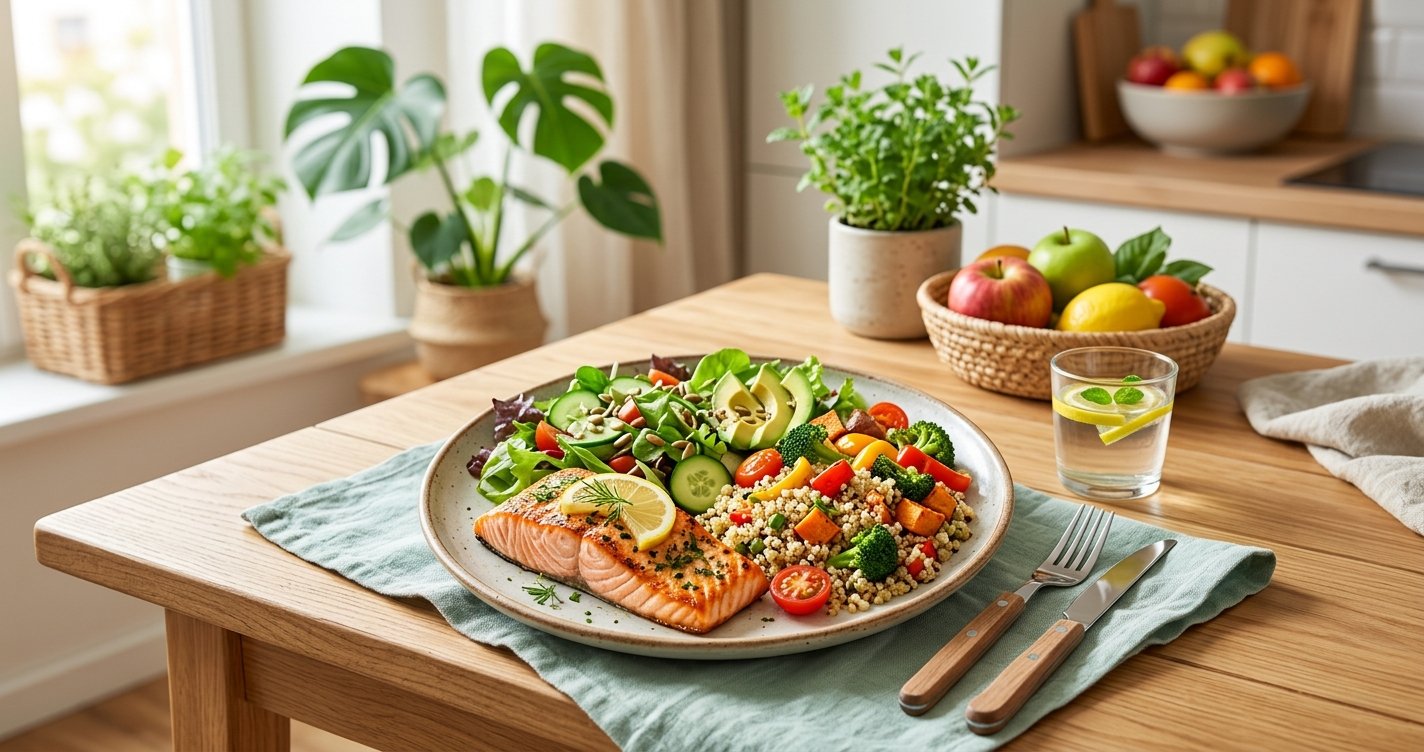
The Quest for Lasting Fat Loss: Why Sustainability Matters
In a world brimming with quick fixes, detox teas, and extreme diets promising rapid weight loss, it's easy to get swept up in the allure of immediate results. We've all seen the headlines: "Lose 10 pounds in a week!" While the idea of shedding unwanted fat quickly is tempting, the reality often falls short, leaving us frustrated, demotivated, and often heavier than when we started. The truth is, sustainable fat loss isn't about deprivation or a sprint to the finish line; it's a marathon built on consistent, healthy habits that you can maintain for life.
This isn't just about fitting into a smaller size; it's about fostering a healthier relationship with food, understanding your body's needs, and creating a lifestyle that supports long-term well-being. Forget the crash diets that leave you hungry and depleted. This guide will walk you through evidence-based, sustainable nutrition strategies that empower you to achieve your fat loss goals and keep the weight off for good. Let's ditch the fads and embrace a path that truly works, one delicious, nourishing meal at a time. this excellent wellness product
Beyond the Crash Diet: Understanding Sustainable Fat Loss
What exactly makes a fat loss approach "sustainable"? It's simple: it's a plan you can stick to without feeling constantly deprived, exhausted, or miserable. Crash diets, by their very nature, are unsustainable. They often involve drastic calorie restriction, eliminating entire food groups, or relying on shakes and supplements. While they might show initial rapid weight loss, much of this is often water weight and even precious muscle mass, not just fat.
The problem? Your body is smart. When you severely restrict calories, your metabolism can slow down as it tries to conserve energy. This is known as metabolic adaptation. When you inevitably return to normal eating habits (because who can live on 800 calories a day forever?), your slower metabolism, coupled with potential muscle loss, means you're more prone to regaining the weight, often with extra fat. This cycle of losing and regaining is not only disheartening but can also be detrimental to your long-term health.
Sustainable fat loss, on the other hand, focuses on a moderate, consistent calorie deficit while prioritizing nutrient-dense foods that fuel your body, preserve muscle mass, and support your metabolism. It's about making gradual changes that become second nature, allowing you to enjoy food, have energy, and feel vibrant throughout your journey.
The Foundation: Creating a Smart Calorie Deficit
At its core, fat loss boils down to one fundamental principle: consuming fewer calories than your body burns. This is called a calorie deficit. However, the key word here is "smart." A smart calorie deficit is moderate and manageable, typically 300-500 calories below your maintenance level. This allows for steady fat loss (about 1-2 pounds per week) while minimizing muscle loss and avoiding the metabolic slowdown associated with extreme restriction.
To establish your deficit, you first need an estimate of your Total Daily Energy Expenditure (TDEE) – the number of calories your body burns in a day. You can find many online calculators for this, which take into account factors like your age, sex, weight, height, and activity level. Once you have this number, subtract 300-500 calories to find your target daily intake. Remember, this is an estimate, and you'll need to listen to your body and adjust as you go. Consistency is far more important than perfection here.
Macronutrient Mastery: Fueling Your Body for Fat Loss
While calories are king, the *source* of those calories – your macronutrients (protein, carbohydrates, and fats) – plays a critical role in how your body responds, how full you feel, and how well you retain muscle during fat loss.
Protein Power: Your Fat Loss Ally
If there's one macronutrient to prioritize for sustainable fat loss, it's protein. Here's why:
- Satiety: Protein is incredibly filling, helping you feel satisfied for longer and reducing cravings.
- Muscle Preservation: Adequate protein intake is crucial for maintaining muscle mass during a calorie deficit. More muscle means a higher resting metabolism.
- Thermic Effect of Food (TEF): Protein has a higher TEF than carbs or fats, meaning your body burns more calories digesting and metabolizing it.
Recommendation: Aim for 1.6-2.2 grams of protein per kilogram of body weight per day, distributed across your meals. Excellent sources include lean meats (chicken breast, turkey, lean beef), fish (salmon, cod), eggs, dairy (Greek yogurt, cottage cheese), legumes (lentils, beans), and plant-based protein sources (tofu, tempeh) or protein supplements if needed.
Smart Carbs: Energy Without the Excess
Carbohydrates have gotten a bad rap in some diet circles, but they are your body's primary energy source. The key is choosing the right kind:
- Complex Carbohydrates: Found in whole grains, fruits, and vegetables, these are rich in fiber, which aids digestion, promotes satiety, and helps stabilize blood sugar levels.
- Fiber: Crucial for gut health and feeling full. Aim for 25-35 grams of fiber per day.
Limit highly refined carbohydrates like white bread, sugary drinks, and pastries, which offer little nutritional value and can lead to energy crashes and increased hunger. Focus instead on whole grains (oats, brown rice, quinoa), colorful vegetables, and whole fruits.
Healthy Fats: Essential for Well-being
Fats are vital for hormone production, nutrient absorption, and overall cellular function. They also contribute to satiety, making your meals more enjoyable and satisfying. The trick is choosing healthy fats in moderation:
- Unsaturated Fats: Found in avocados, nuts, seeds, olive oil, and fatty fish (like salmon). These are heart-healthy and support various bodily functions.
Avoid excessive amounts of saturated and trans fats found in processed foods and deep-fried items. While fats are essential, they are also calorie-dense, so portion control is important.
Hydration and Micronutrients: Often Overlooked, Always Important
Beyond the macros, two other pillars of nutrition are often neglected but are absolutely critical for effective and sustainable fat loss.
The Power of Water
Staying adequately hydrated is a simple yet powerful tool for fat loss. Water helps with:
- Satiety: Sometimes, thirst can be mistaken for hunger. Drinking water before meals can help you feel fuller.
- Metabolism: Water is involved in almost every metabolic process in your body.
- Energy Levels: Dehydration can lead to fatigue, making it harder to stick to your healthy eating and activity goals.
Aim for at least 8 glasses (around 2 liters) of water daily, and even more if you're active or in a warm climate.
Vitamins and Minerals: The Unsung Heroes
While they don't provide calories, vitamins and minerals (micronutrients) are essential for thousands of bodily functions, including energy production, hormone regulation, and immune health. When you're in a calorie deficit, it's even more crucial to ensure you're getting enough micronutrients to prevent deficiencies that can hinder your progress and overall health.
This is another reason to prioritize whole, unprocessed foods like fruits, vegetables, lean proteins, and whole grains, as they are naturally rich in a wide spectrum of vitamins and minerals. A diverse diet is your best bet for meeting your micronutrient needs.
Mindful Eating and Lifestyle Habits: More Than Just Food
Sustainable fat loss isn't solely about *what* you eat, but also *how* you eat and how you live your life outside the kitchen.
Tune In: The Art of Mindful Eating
Mindful eating means paying attention to your food, your body's hunger and fullness cues, and the experience of eating. In our busy lives, it's easy to eat quickly, distracted by screens or tasks, often leading to overeating.
- Slow Down: Savor each bite, noticing the flavors, textures, and aromas.
- Listen to Your Body: Eat when you're truly hungry, and stop when you're comfortably full, not stuffed.
- Minimize Distractions: Turn off the TV, put away your phone, and focus on your meal.
This practice can dramatically improve your relationship with food and prevent mindless snacking or overconsumption.
Sleep and Stress Management
Don't underestimate the power of a good night's sleep and effective stress management. Poor sleep can disrupt hormones like ghrelin (which stimulates hunger) and leptin (which signals fullness), leading to increased cravings and a higher likelihood of fat storage. Chronic stress can elevate cortisol levels, which can also contribute to abdominal fat storage and increased appetite.
Prioritize 7-9 hours of quality sleep per night and find healthy ways to manage stress, whether it's through meditation, exercise, hobbies, or spending time in nature.
Building Your Sustainable Plate: Practical Tips
Now that you understand the principles, here's how to put them into action:
- Focus on Whole Foods: Build your meals around lean proteins, plenty of vegetables, some fruits, healthy fats, and complex carbohydrates. Minimize highly processed foods, sugary drinks, and excessive amounts of unhealthy fats.
- Meal Prep: Dedicate some time each week to plan and prepare meals or components of meals. This makes healthy eating effortless during busy weekdays.
- Portion Control: Learn what a healthy portion looks like. Use smaller plates, measure ingredients initially, and pay attention to serving sizes.
- The 80/20 Rule: Aim for healthy, nutritious eating 80% of the time, allowing for 20% flexibility. This prevents feelings of deprivation and makes the plan more sustainable long-term.
- Cook More at Home: When you cook your own meals, you have full control over the ingredients and portion sizes, making it easier to stick to your goals.
- Stay Patient and Consistent: Sustainable fat loss is a journey, not a destination. There will be ups and downs. Focus on consistent effort over time, rather than perfect adherence every single day.
Your Journey to Lasting Change: A Final Word
Embarking on a journey of sustainable nutrition for fat loss is a profound act of self-care. It's about empowering yourself with knowledge, building habits that serve your health, and treating your body with the respect it deserves. Remember, this isn't about perfection; it's about progress. Celebrate every small win, learn from every setback, and always prioritize your well-being over arbitrary numbers on a scale.
By focusing on nutrient-dense foods, smart calorie management, mindful eating, and supportive lifestyle habits, you're not just losing fat – you're building a foundation for a healthier, happier, and more energetic life. You've got this. Your body and mind will thank you for choosing the path of sustainability.