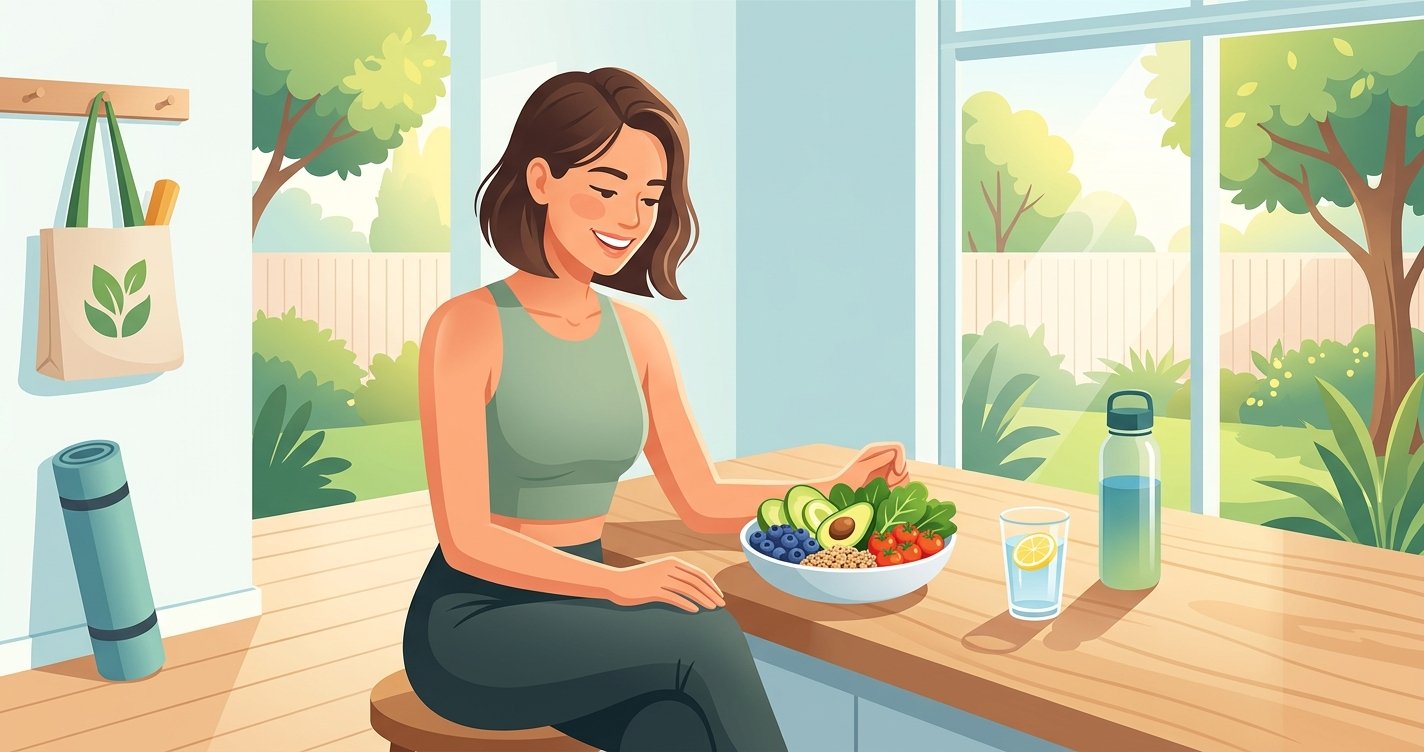
Ditch the Diet Drama: Your Guide to Sustainable Fat Loss That Lasts
Have you ever found yourself caught in the frustrating cycle of extreme dieting? You restrict, you lose weight quickly, you feel deprived, and then, inevitably, the weight creeps back on – sometimes with a few extra pounds for good measure. It’s a common story, and if it sounds familiar, you’re not alone. The truth is, quick fixes rarely lead to lasting results, especially when it comes to fat loss.
This isn't about blaming you; it's about shifting our approach. Instead of chasing fleeting trends or punishing ourselves with unsustainable restrictions, what if we focused on building habits that nourish our bodies, boost our energy, and lead to genuine, long-term well-being? This guide is your friendly, evidence-based roadmap to achieving sustainable fat loss – no drama, no deprivation, just consistent progress and a healthier, happier you. this excellent wellness product
Why Extreme Diets Fail: Understanding the Cycle
Before we dive into solutions, let's briefly understand why the traditional "crash diet" approach often backfires. When you drastically cut calories, your body perceives it as a famine. It responds by slowing down your metabolism to conserve energy, making it harder to lose weight and easier to regain it once you return to normal eating patterns. This metabolic adaptation is a survival mechanism, not a flaw in your willpower.
Beyond the physical, extreme diets take a significant psychological toll. Constant hunger, food cravings, social isolation, and the feeling of failure erode motivation and can lead to unhealthy relationships with food. Our goal here is to break free from this cycle, fostering a mindful, balanced approach that respects your body's needs and supports your mental well-being.
Fueling Your Body: Smart Nutrition for Lasting Results
Sustainable fat loss isn't about eating less; it's about eating smarter. This means focusing on nutrient-dense foods that keep you full, energized, and satisfied, while creating a gentle calorie deficit over time.
1. The Gentle Calorie Deficit: Less is Not Always More
To lose fat, you need to consume slightly fewer calories than your body burns. However, "slightly" is the operative word. A modest deficit of 300-500 calories per day is often enough to promote steady fat loss without triggering extreme metabolic slowdown or intense hunger. This can be achieved by making small, consistent changes rather than drastic cuts.
2. Protein Power: Your Satiety Secret Weapon
- Boost Satiety: Protein is incredibly filling. Including a source of lean protein (chicken, fish, eggs, tofu, lentils, Greek yogurt) at every meal helps you feel fuller for longer, reducing the urge to snack.
- Preserve Muscle: When you lose weight, you want to lose fat, not muscle. Protein helps protect your muscle mass, which is crucial for maintaining a healthy metabolism.
- Thermic Effect: Your body burns more calories digesting protein compared to fats or carbohydrates.
3. Complex Carbs & Healthy Fats: Don't Fear the Fuel
Carbohydrates and fats are not the enemy! They are essential for energy, hormone production, and overall health. The key is choosing the right kinds:
- Complex Carbohydrates: Opt for whole grains (oats, brown rice, quinoa), fruits, and vegetables. These are rich in fiber, which aids digestion, stabilizes blood sugar, and contributes to satiety.
- Healthy Fats: Avocados, nuts, seeds, olive oil, and fatty fish (salmon) provide essential fatty acids, support hormone function, and help absorb fat-soluble vitamins. They also contribute to feeling satisfied after meals.
4. Hydration is Key
Often overlooked, water plays a vital role in fat loss. It helps with metabolism, can reduce hunger pangs (sometimes thirst is mistaken for hunger), and supports overall bodily functions. Aim for at least 8 glasses of water a day, more if you’re active.
Move Your Body: Beyond the Treadmill
Exercise is a powerful tool for fat loss, but it doesn't have to be grueling or intimidating. The best exercise plan is one you enjoy and can stick with consistently.
1. Embrace Strength Training
If you're not already lifting weights, now's the time to start! Strength training (using weights, resistance bands, or your own body weight) builds muscle. More muscle means a higher resting metabolism, as muscle tissue burns more calories at rest than fat tissue. Aim for 2-3 sessions per week, focusing on compound movements that work multiple muscle groups.
2. Cardio for Heart Health & Calorie Burn
While strength training builds muscle, cardiovascular exercise is excellent for heart health and burning additional calories. Think brisk walking, jogging, cycling, swimming, or dancing. The goal isn't to run marathons, but to incorporate enjoyable activities that elevate your heart rate. Aim for 150-300 minutes of moderate-intensity cardio per week.
3. The Power of NEAT (Non-Exercise Activity Thermogenesis)
This refers to the calories you burn through everyday movements outside of structured exercise. Things like walking to the store, taking the stairs, standing more, fidgeting, and doing household chores all add up. Increasing your NEAT can significantly boost your daily calorie expenditure without feeling like a workout.
The Unsung Heroes: Sleep and Stress Management
You can eat perfectly and exercise diligently, but if you neglect sleep and stress, your fat loss efforts will be severely hampered. These two factors profoundly impact your hormones, which in turn dictate how your body stores and burns fat.
1. Prioritize Quality Sleep
When you don't get enough sleep, your body's hunger hormones go haywire:
- Ghrelin (the hunger hormone) increases: You feel hungrier.
- Leptin (the satiety hormone) decreases: You don't feel full, even after eating.
- Cortisol (the stress hormone) increases: This can lead to increased fat storage, especially around the belly.
Aim for 7-9 hours of quality sleep per night. Establish a consistent sleep schedule, create a relaxing bedtime routine, and optimize your sleep environment.
2. Manage Your Stress
Chronic stress keeps cortisol levels elevated, which, as mentioned, can promote fat storage and increase cravings for unhealthy foods. Finding healthy ways to manage stress is crucial:
- Mindfulness & Meditation: Even 10-15 minutes a day can make a difference.
- Hobbies: Engage in activities you enjoy to unwind.
- Social Connection: Spend time with loved ones.
- Nature: Take walks outdoors.
- Deep Breathing: Simple breathing exercises can calm your nervous system.
Cultivating a Healthy Mindset: Patience and Self-Compassion
Sustainable fat loss is as much a mental game as it is a physical one. Your mindset will be your greatest ally or your biggest obstacle.
1. Ditch the Perfectionism
No one is perfect, and neither will your journey be. There will be days you overeat, miss a workout, or feel discouraged. Instead of letting these moments derail you, view them as opportunities to learn and get back on track. One "bad" meal or day won't undo weeks of progress.
2. Celebrate Small Victories
Don't wait until you hit your ultimate goal to acknowledge your efforts. Celebrate consistent workouts, choosing a healthy snack, drinking enough water, or getting a good night's sleep. These small wins build momentum and reinforce positive habits.
3. Focus on Health, Not Just the Scale
While the scale can be a data point, it doesn't tell the whole story. Focus on how you feel: your energy levels, strength, sleep quality, and confidence. Muscle weighs more than fat, so the scale might not always reflect your body composition changes. Take measurements, progress photos, and notice how your clothes fit.
4. Embrace the Journey
Sustainable fat loss is a marathon, not a sprint. It's about building a healthier lifestyle, not just reaching a number. Be patient with yourself, trust the process, and remember that consistency, not intensity, is the ultimate key to lasting change.
Your Sustainable Path Forward
Embarking on a journey of sustainable fat loss means making peace with food, enjoying movement, prioritizing your rest, and nurturing a kind and patient mindset. It's about empowering yourself with knowledge and making choices that serve your long-term health and happiness.
Start small. Pick one or two areas from this guide to focus on first. Maybe it's adding more protein to your breakfast, taking a daily walk, or committing to an earlier bedtime. Small, consistent steps lead to significant, lasting transformations. You deserve a fat loss journey that feels good, is effective, and truly lasts a lifetime.