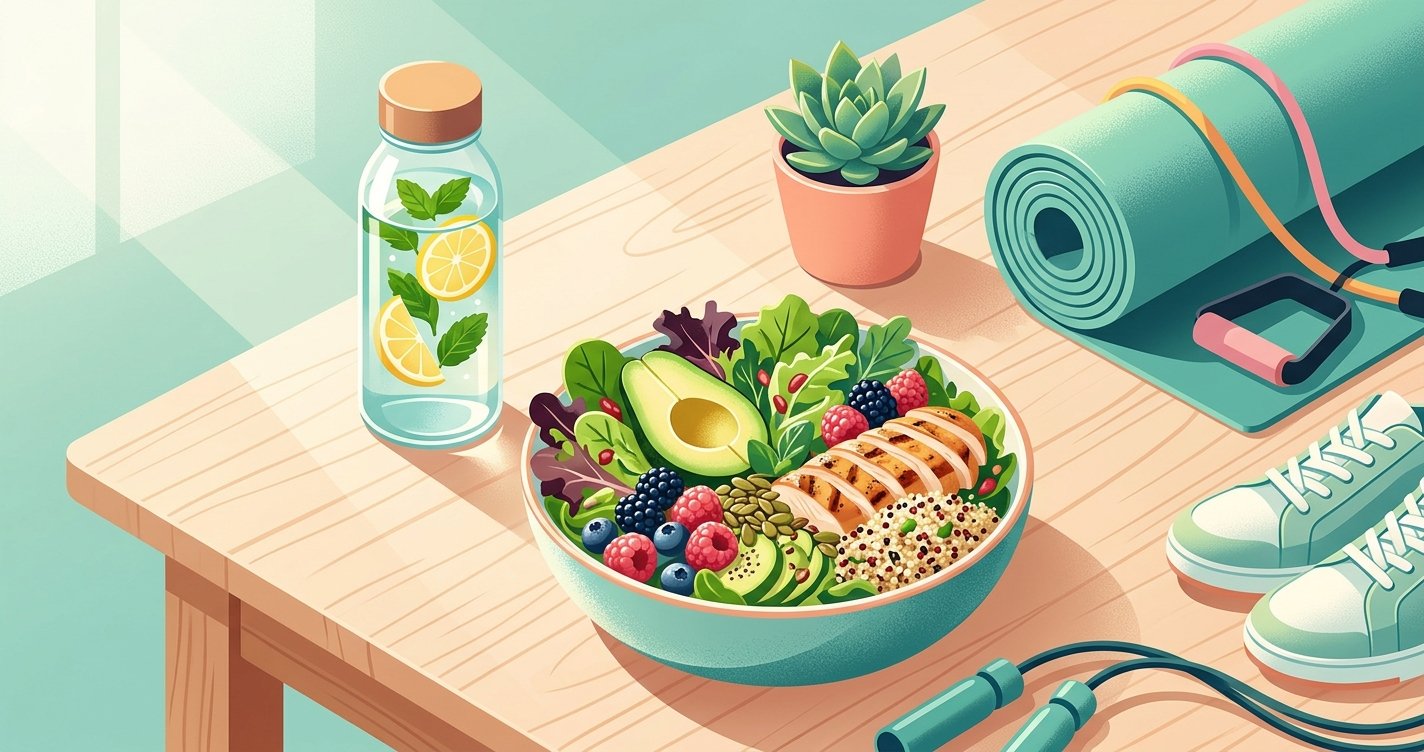
Are you tired of the never-ending cycle of crash diets, restrictive eating, and the frustrating 'yo-yo' effect? You're not alone. In a world saturated with quick fixes and extreme weight loss promises, it's easy to feel lost, discouraged, and even a little hopeless. But what if we told you there's a better way? A path to fat loss that doesn't involve starvation, endless hours on the treadmill, or sacrificing all your favorite foods? Welcome to the world of sustainable fat loss – a journey focused on lasting health, genuine well-being, and results that stick.
This guide is for anyone ready to break free from the diet mentality and build a healthier relationship with food and their body. We're going to explore evidence-based strategies that empower you to lose fat effectively, maintain your progress, and feel fantastic, all without the drama of extreme dieting. Let's get started! this excellent wellness product
Why Extreme Diets Are a Recipe for Disaster (and Why They Keep Coming Back)
The allure of rapid fat loss is powerful. Who wouldn't want to drop 10 pounds in a week? However, these extreme approaches often come with a hefty price tag, both physically and psychologically. They promise quick wins but often lead to long-term struggles.
The Yo-Yo Effect: A Vicious Cycle
When you drastically cut calories, your body, designed for survival, perceives it as a famine. It responds by slowing down your metabolism to conserve energy. While you might initially lose weight (often a significant amount of water and muscle, not just fat), this metabolic slowdown makes it incredibly difficult to sustain. Once you inevitably return to a more normal eating pattern, your now-slower metabolism struggles to cope, leading to rapid weight regain, often surpassing your starting point. This 'yo-yo' effect is not only disheartening but can also make future fat loss even harder.
Furthermore, extreme diets are unsustainable from a lifestyle perspective. They isolate you socially, foster an unhealthy obsession with food, and often lead to nutrient deficiencies. They teach you how to restrict, not how to eat healthily for life.
The Unshakable Truth: Understanding Your Calorie Deficit
At its core, fat loss boils down to one fundamental principle: consuming fewer calories than your body expends. This is known as a calorie deficit. While it sounds simple, the key to sustainable fat loss lies in creating this deficit intelligently and gently, not aggressively.
How to Create a Gentle, Sustainable Deficit
Forget drastic cuts that leave you feeling starved. A sustainable calorie deficit means aiming for a modest reduction – typically 300-500 calories below your maintenance level. This allows your body to adapt gradually, minimizes metabolic slowdown, and significantly reduces feelings of deprivation.
- Estimate Your TDEE: Your Total Daily Energy Expenditure (TDEE) is the number of calories your body burns in a day. Online calculators can give you a good starting point based on your age, weight, height, and activity level.
- Track for Awareness: For a few days, try tracking your current food intake using an app. This isn't about restriction, but about understanding where your calories are coming from. You might be surprised!
- Small, Strategic Reductions: Instead of slashing everything, look for easy wins. Can you swap a sugary drink for water? Opt for leaner protein? Reduce portion sizes slightly? These small changes add up without feeling overwhelming.
Remember, this is a marathon, not a sprint. Patience and consistency are your greatest allies.
The Power Players: Protein, Fiber, and Healthy Fats
While calories are king for fat loss, the quality of those calories plays a crucial role in your success, satiety, and overall health. Focusing on nutrient-dense foods will make your journey much more enjoyable and effective.
Protein: Your Satiety & Muscle Guardian
Protein is arguably the most important macronutrient for fat loss. Here's why:
- Satiety: Protein keeps you feeling fuller for longer, reducing cravings and overall calorie intake.
- Thermic Effect: Your body burns more calories digesting protein than it does fats or carbohydrates.
- Muscle Preservation: When you're in a calorie deficit, there's a risk of losing muscle along with fat. Adequate protein intake helps preserve precious muscle mass, which is vital for maintaining a healthy metabolism.
Aim for a protein source at every meal. Think lean meats, poultry, fish, eggs, dairy (Greek yogurt, cottage cheese), legumes, and plant-based protein powders.
Fiber & Fats: The Supporting Cast
- Fiber: Found in fruits, vegetables, whole grains, and legumes, fiber adds bulk to your meals, promoting fullness and aiding digestion. It also helps stabilize blood sugar levels, preventing energy crashes and subsequent cravings.
- Healthy Fats: Don't fear fat! Essential for hormone production, nutrient absorption, and cell health, healthy fats (avocado, nuts, seeds, olive oil, fatty fish) contribute to satiety and provide sustained energy. Just remember they are calorie-dense, so portion control is key.
Move Your Body, Not Just the Scale: Exercise for Fat Loss
While diet is paramount for fat loss, exercise is your powerful partner in sculpting your body, boosting your metabolism, and enhancing your overall well-being. And no, you don't need to live in the gym!
Strength Training: Your Metabolic Supercharger
Lifting weights (or using your body weight) is incredibly effective for fat loss. Building and maintaining muscle mass directly increases your Basal Metabolic Rate (BMR), meaning you burn more calories at rest. It also helps improve body composition, making you look leaner and more toned even if the scale doesn't move dramatically. Aim for 2-3 full-body strength sessions per week.
Smart Cardio: Complement, Don't Overdo
Cardio burns calories, improves cardiovascular health, and can be a fantastic stress reliever. While essential, more isn't always better. Focus on incorporating enjoyable forms of cardio, like brisk walking, cycling, swimming, or dancing. High-Intensity Interval Training (HIIT) can also be effective for shorter bursts, but listen to your body and prioritize recovery.
The best exercise is the one you enjoy and can stick with consistently!
The Silent Architects: Sleep and Stress Management
Often overlooked, adequate sleep and effective stress management are critical, non-negotiable components of successful and sustainable fat loss. Your body doesn't just work when you're awake; it's constantly regulating behind the scenes.
Sleep: Your Body's Repair & Regulate Mode
Lack of sleep wreaks havoc on your hormones. It increases ghrelin (the hunger hormone) and decreases leptin (the satiety hormone), making you feel hungrier and less satisfied. It also elevates cortisol, a stress hormone linked to increased fat storage, particularly around the belly. Aim for 7-9 hours of quality sleep per night. Prioritize a consistent sleep schedule and create a relaxing bedtime routine.
Stress: The Hidden Fat Accumulator
Chronic stress keeps cortisol levels elevated, which, as mentioned, can promote fat storage and muscle breakdown. Moreover, stress often leads to emotional eating and poor food choices. Finding healthy ways to manage stress – whether it's meditation, yoga, spending time in nature, or simply deep breathing – is vital for both your mental and physical health on your fat loss journey.
Mindset & Consistency: The Pillars of Lasting Change
Sustainable fat loss isn't just about what you eat or how you move; it's fundamentally about your mindset and your ability to be consistent with healthy habits.
Patience is a Virtue
Fat loss is rarely linear. There will be weeks when the scale doesn't move, or even goes up slightly. This is normal! Focus on non-scale victories: improved energy, better sleep, stronger workouts, clothes fitting better. Trust the process, stay consistent, and celebrate small wins.
Building Habits, Not Restrictions
Instead of focusing on what you can't have, shift your focus to what you can add to your diet and lifestyle. How can you incorporate more vegetables, more protein, more movement? Small, consistent habits compound over time to create massive, lasting change. Remember, perfection is the enemy of progress.
Your Sustainable Fat Loss Journey Starts Now
Ditching the diet drama and embracing a sustainable approach to fat loss is perhaps the most empowering decision you can make for your health. It's about nurturing your body, understanding its needs, and building habits that serve you for a lifetime, not just for a few weeks.
By focusing on a gentle calorie deficit, prioritizing protein and nutrient-dense foods, incorporating smart exercise, and valuing sleep and stress management, you're not just losing fat – you're building a foundation for lifelong health and well-being. Be patient, be kind to yourself, and celebrate every step of your incredible journey. You've got this!