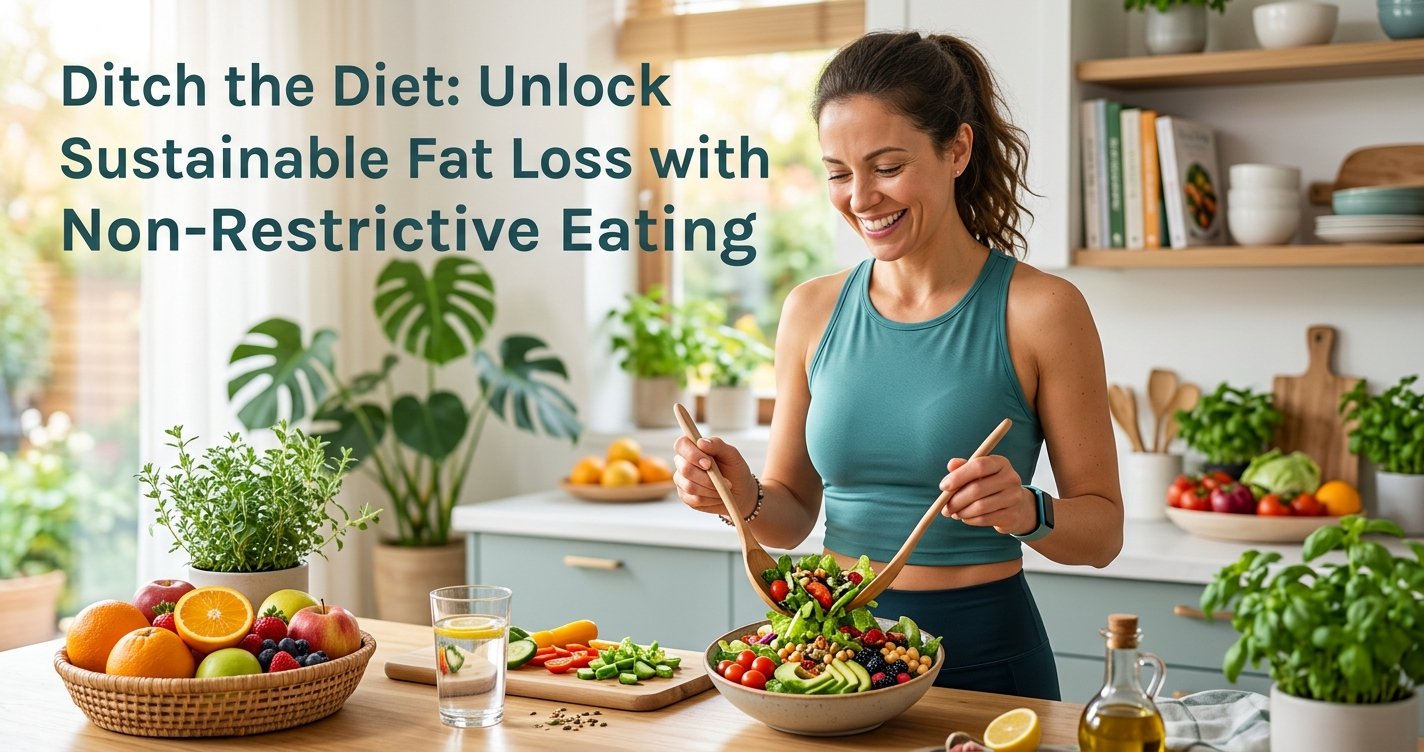
Ditch the Diet: Unlock Sustainable Fat Loss with Non-Restrictive Eating
Are you tired of the endless cycle of restrictive diets, quick fixes, and the inevitable rebound? You're not alone. Many of us have been caught in the trap of 'good' and 'bad' foods, counting every calorie, and feeling guilty after every meal. While these approaches might offer temporary results, they often lead to frustration, metabolic slowdown, and ultimately, a regain of the weight you worked so hard to lose. What if there was a better way – a path to sustainable fat loss that doesn't involve deprivation, but rather, a deeper understanding of your body and a healthier relationship with food?
Welcome to the world of non-restrictive eating for fat loss. This isn't another fad diet; it's a paradigm shift. It’s about building lasting habits, listening to your body's wisdom, and finding joy in nourishing yourself without the mental and emotional burden of constant restriction. Ready to break free from the diet cycle and achieve lasting results? Let's dive in. this excellent wellness product
Why Restrictive Diets Often Fail (and What Happens Next)
Before we embrace a new approach, it's crucial to understand why traditional, highly restrictive diets often fall short for long-term fat loss. When you drastically cut calories or eliminate entire food groups, your body perceives this as a threat. It's a primal survival mechanism at play:
- Metabolic Adaptation: Your metabolism slows down to conserve energy, making it harder to burn fat even on fewer calories.
- Hormonal Imbalance: Hunger hormones like ghrelin can spike, while satiety hormones like leptin can decrease, leading to intense cravings and persistent hunger.
- Psychological Toll: Constant deprivation can lead to feelings of guilt, shame, and a preoccupation with food. This often results in a 'rebound effect' or binge eating when willpower eventually runs out.
- Nutrient Deficiencies: Eliminating food groups can lead to a lack of essential vitamins, minerals, and macronutrients, impacting energy levels, mood, and overall health.
The result? The dreaded 'yo-yo effect,' where weight is lost and then regained, often with extra pounds, making each subsequent attempt at fat loss even harder. This cycle is not a sign of personal failure; it's a testament to the unsustainable nature of extreme restriction.
Understanding Non-Restrictive Eating: More Than Just 'Eating Anything'
Non-restrictive eating isn't an excuse to eat whatever you want, whenever you want, without consequences. Instead, it's a mindful, balanced approach to nutrition that prioritizes your body's natural signals and overall well-being. For fat loss, it means:
- Listening to Hunger and Fullness Cues: Eating when you're genuinely hungry and stopping when you're comfortably full, rather than eating based on external rules or emotions.
- Prioritizing Nutrient Density: Focusing on whole, unprocessed foods that provide sustained energy and satiety, naturally leading to better food choices without feeling deprived.
- Flexibility and Balance: Understanding that no single food is 'good' or 'bad.' All foods can fit into a healthy lifestyle in moderation, eliminating the guilt associated with occasional indulgences.
- Developing a Healthy Relationship with Food: Seeing food as fuel, nourishment, and enjoyment, rather than an enemy or a reward.
This approach helps you create a sustainable calorie deficit over time, not through harsh cuts, but through informed choices driven by internal wisdom rather than external rules.
Key Pillars of Non-Restrictive Eating for Sustainable Fat Loss
1. Master Mindful Eating
Slow down. Pay attention. Mindful eating is the cornerstone of non-restrictive eating. It involves being fully present during meals, noticing the taste, texture, and smell of your food. Ask yourself:
- Am I truly hungry, or am I eating out of boredom, stress, or habit?
- How does this food make my body feel?
- Am I enjoying this meal?
- Am I comfortably full, or pushing past it?
Practicing mindfulness can help you recognize your body's natural hunger and satiety signals, preventing overeating and fostering a deeper connection with your food choices. This alone can naturally reduce overall calorie intake without strict tracking.
2. Prioritize Nutrient-Dense Foods
While no food is off-limits, the foundation of your diet should consist of whole, unprocessed, nutrient-dense foods. These foods provide essential vitamins, minerals, fiber, and protein, which are crucial for satiety, energy, and overall health. Focus on:
- Lean Proteins: Chicken, fish, eggs, beans, lentils, tofu. Protein is highly satiating and crucial for muscle preservation during fat loss.
- Fiber-Rich Vegetables and Fruits: Broccoli, spinach, berries, apples. Fiber aids digestion, helps you feel full, and supports gut health.
- Healthy Fats: Avocados, nuts, seeds, olive oil. Fats are essential for hormone production and can contribute to satiety.
- Complex Carbohydrates: Whole grains like oats, quinoa, brown rice. These provide sustained energy without the blood sugar spikes and crashes associated with refined carbs.
By filling up on these foods, you naturally reduce your desire for less nutritious, calorie-dense options.
3. Embrace Strategic Indulgence (The 80/20 Rule)
One of the biggest traps of restrictive diets is the idea that you can never have your favorite 'unhealthy' foods. Non-restrictive eating embraces the 80/20 rule: aim for nutrient-dense foods 80% of the time, and allow yourself to enjoy less nutritious treats 20% of the time without guilt. This approach:
- Prevents feelings of deprivation and rebellion.
- Makes your eating plan sustainable long-term.
- Teaches you moderation and self-control.
When you know you can have a slice of cake or a burger occasionally, the intense cravings often diminish, and you're less likely to overdo it when you do indulge.
4. Hydration and Sleep: The Unsung Heroes of Fat Loss
These often-overlooked factors play a massive role in your fat loss journey:
- Hydration: Drinking plenty of water can help you feel fuller, boost metabolism, and prevent mistaking thirst for hunger. Aim for 8-10 glasses a day.
- Sleep: Lack of sleep disrupts hunger-regulating hormones (ghrelin and leptin), increases cortisol (stress hormone associated with belly fat), and reduces willpower. Prioritize 7-9 hours of quality sleep each night.
Building Your Non-Restrictive Toolkit
Implementing this approach requires practical steps:
- Meal Planning Flexibility: Plan your main meals but allow for flexibility in snacks or slight adjustments based on your hunger levels.
- Smart Grocery Shopping: Stock your kitchen with whole, unprocessed ingredients. When healthy options are readily available, you're more likely to choose them.
- Cook at Home More Often: This gives you control over ingredients and portion sizes, making it easier to eat mindfully.
- Manage Stress: Stress can lead to emotional eating. Find healthy coping mechanisms like meditation, yoga, or spending time in nature.
The Role of Movement (Without Punishment)
While nutrition is paramount for fat loss, movement is your powerful ally. The non-restrictive approach extends to exercise too:
- Find Joy in Movement: Instead of viewing exercise as a punishment for what you've eaten, find activities you genuinely enjoy. Whether it's dancing, hiking, cycling, or lifting weights, enjoyment fosters consistency.
- Focus on Consistency, Not Intensity: Regular, moderate activity is more beneficial than sporadic, intense workouts that lead to burnout.
- Incorporate Strength Training: Building muscle helps boost your metabolism, even at rest, making fat loss more efficient.
Movement should enhance your life, not diminish it. It’s about feeling strong, energetic, and capable.
Patience and Persistence: Your Journey to Lasting Change
Sustainable fat loss through non-restrictive eating isn't a race; it's a marathon. There will be good days and challenging days. The key is:
- Be Patient: Real, lasting change takes time. Celebrate small victories and focus on progress, not perfection.
- Practice Self-Compassion: If you overeat or make a less-than-ideal choice, don't beat yourself up. Learn from it and get back on track with your next meal.
- Trust the Process: As you consistently practice mindful eating and prioritize nutrient-dense foods, your body will naturally gravitate towards a healthier weight.
Embrace Your Journey to Lasting Fat Loss
Ditching the diet mentality and embracing non-restrictive eating is perhaps the most empowering step you can take for your health and fat loss goals. It's about freedom, self-trust, and building a relationship with food that nourishes your body and soul. You have the power to break free from the cycle of restriction and discover a sustainable, enjoyable path to the body and health you deserve. Start today by listening to your body, making mindful choices, and trusting in the process. Your lasting fat loss journey begins now.