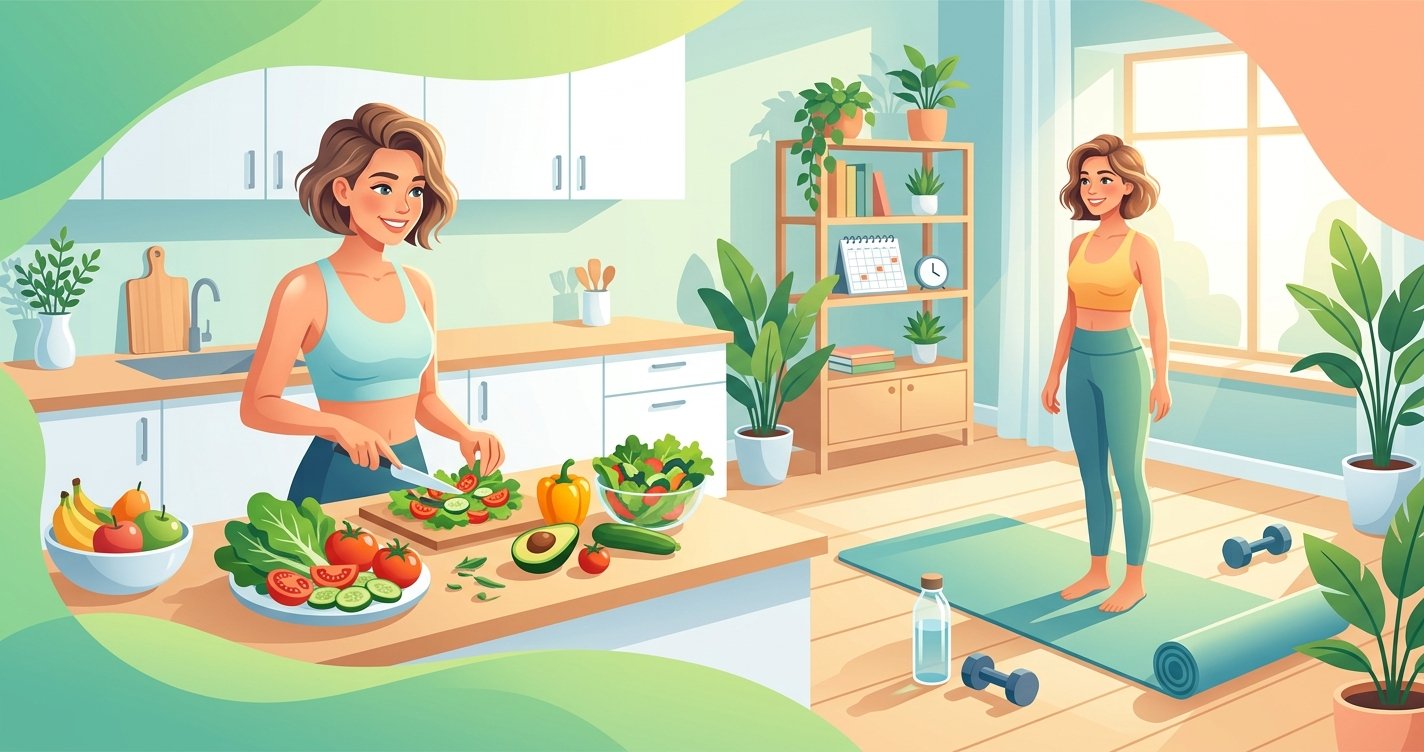
Ditch the Diet: Build Unstoppable Habits for Sustainable Fat Loss
Are you tired of the endless cycle of restrictive diets, quick fixes, and the inevitable rebound? If you've been on a fat loss journey that feels more like a rollercoaster than a steady path, you're not alone. The truth is, traditional diets often fail because they're designed for short-term results, not lasting lifestyle change. But what if there was a different way? A path focused not on deprivation, but on building sustainable habits and fostering a mindful relationship with food and your body?
Welcome to the world of sustainable fat loss, where the focus shifts from calorie counting and rigid rules to understanding your body, nurturing healthy routines, and making choices that genuinely support your well-term well-being. This isn't about dieting; it's about living a life that naturally promotes a healthy body composition, without the stress and frustration. Let's explore how you can build unstoppable habits for fat loss that actually stick. this excellent wellness product
Why Diets Often Fail: The Cycle of Restriction and Rebound
Before we dive into solutions, it's crucial to understand why many conventional diets fall short. Most diets are built on the premise of extreme restriction, often cutting out entire food groups or drastically reducing calories. While this can lead to rapid initial weight loss, it often triggers a cascade of negative effects:
- Metabolic Adaptation: Your body is smart. When faced with severe calorie restriction, it slows down your metabolism to conserve energy, making further fat loss harder.
- Psychological Deprivation: Constantly telling yourself 'no' to foods you enjoy can lead to intense cravings and eventual binge eating, creating a vicious cycle of guilt and shame.
- Unsustainability: Rigid rules are difficult to maintain in real-world social settings, leading to feelings of failure when you inevitably 'slip up.'
- Nutrient Deficiencies: Eliminating food groups can deprive your body of essential vitamins and minerals, impacting overall health and energy levels.
The evidence is clear: studies consistently show that a significant majority of people who lose weight through restrictive dieting regain it, and often more, within a few years. This isn't a reflection of your willpower; it's a flaw in the approach itself. It's time to break free from this cycle.
The Power of Habits: Small Changes, Big Results
Instead of focusing on what you can't eat, let's focus on what you can build: healthy habits. Habits are the automatic behaviors we perform daily, often without conscious thought. They are the bedrock of lasting change. By intentionally cultivating positive habits, you can create a lifestyle that effortlessly supports your fat loss goals.
Think about it: brushing your teeth, taking your morning coffee – these are habits. Imagine if healthy eating and regular movement felt just as automatic. The key is consistency over intensity. Small, consistent actions compound over time, leading to significant, sustainable results.
Identifying Your Keystone Habits for Fat Loss
Keystone habits are those small changes that, once adopted, naturally lead to other positive changes. For fat loss, these might include:
- Prioritizing Protein at Every Meal: Protein is incredibly satiating, helps preserve muscle mass, and has a higher thermic effect (meaning your body burns more calories digesting it).
- Drinking Water Before Meals: Often, we mistake thirst for hunger. Hydrating first can reduce overall calorie intake.
- Getting Consistent, Quality Sleep: Poor sleep disrupts hunger hormones (ghrelin and leptin) and increases cortisol, leading to cravings and fat storage.
- Incorporating Daily Movement: Whether it's a brisk walk, a gym session, or taking the stairs, consistent movement is crucial.
- Meal Prepping Even One Meal: Preparing healthy options in advance significantly reduces reliance on less healthy, convenient choices.
Making Habits Stick: Practical Strategies
Building new habits takes time and strategy. Here's how to make them stick:
- Start Small (Atomic Habits): Don't try to overhaul everything at once. Pick one tiny habit, like 'drink a glass of water first thing in the morning,' and master it before adding another.
- Habit Stacking: Link a new habit to an existing one. For example, 'After I finish my morning coffee (existing habit), I will go for a 15-minute walk (new habit).'
- Make it Obvious & Easy: Put your running shoes by the door, pre-chop veggies for easy snacking, or lay out your gym clothes the night before.
- Track Your Progress: Use a journal, an app, or a simple calendar to mark off each day you successfully perform your new habit. Seeing your streak can be incredibly motivating.
- Be Patient and Practice Self-Compassion: You'll have off days, and that's okay. Don't let one missed day derail your entire effort. Get back on track the next day.
Mindful Eating: Reconnecting with Your Body's Cues
Beyond what you eat, how you eat plays a monumental role in sustainable fat loss. Mindful eating is the practice of paying full attention to your food – its taste, texture, smell, and the experience of eating – as well as your body's hunger and fullness cues. In our fast-paced world, we often eat distractedly, leading to overconsumption and a disconnect from our physical sensations.
Mindful eating isn't a diet; it's a skill that helps you build a healthier relationship with food, reduce emotional eating, and naturally regulate your intake without rigid rules.
Practical Steps to Cultivate Mindful Eating
- Eliminate Distractions: Turn off the TV, put away your phone, and focus solely on your meal.
- Eat Slowly and Chew Thoroughly: It takes about 20 minutes for your stomach to signal to your brain that you're full. Slowing down gives your body time to register satiety.
- Listen to Your Hunger and Fullness Cues: Before eating, ask yourself, 'Am I truly hungry, or am I bored, stressed, or thirsty?' During your meal, pause and check in. Stop when you're comfortably full, not stuffed.
- Savor Your Food: Notice the flavors, textures, and aromas. Appreciate the experience of eating.
- Understand Emotional Triggers: If you find yourself eating when not hungry, try to identify the underlying emotion (stress, sadness, boredom) and find alternative coping mechanisms.
Fueling Your Body Smartly: Beyond Restriction
Sustainable fat loss isn't about eating less; it's about eating better. Focus on nutrient-dense foods that provide satiety, energy, and essential nutrients, rather than empty calories. This approach naturally helps you feel fuller on fewer calories and supports overall health.
Smart Swaps and Portion Awareness
- Prioritize Protein: Include a lean protein source (chicken, fish, eggs, tofu, lentils) in every meal.
- Load Up on Fiber: Vegetables, fruits, and whole grains are rich in fiber, which aids digestion, stabilizes blood sugar, and promotes fullness.
- Embrace Healthy Fats: Avocado, nuts, seeds, and olive oil are crucial for hormone function and satiety.
- Mind Your Portions: You don't need to meticulously count every calorie, but understanding appropriate portion sizes is helpful. Use your hand as a guide: a palm-sized portion of protein, a cupped hand of carbs, a thumb-sized portion of fat, and plenty of non-starchy vegetables.
- Choose Whole Foods: Opt for foods in their most natural state over processed, packaged options that are often high in sugar, unhealthy fats, and sodium.
The Role of Movement: Finding Joy in Activity
While diet is paramount for fat loss, movement is your powerful ally. Shifting your mindset from 'exercising to burn calories' to 'moving for health, strength, and joy' can transform your relationship with physical activity. Find activities you genuinely enjoy, making consistency much easier.
- Resistance Training: Lifting weights or using bodyweight exercises is crucial for building and maintaining muscle mass. More muscle means a higher resting metabolism, helping your body burn more calories even at rest.
- Cardiovascular Exercise: Activities like brisk walking, jogging, cycling, or swimming improve heart health, boost mood, and contribute to overall energy expenditure.
- NEAT (Non-Exercise Activity Thermogenesis): This includes all the movement you do outside of structured exercise – walking more, taking the stairs, fidgeting. These small movements add up significantly.
Beyond Food and Exercise: Holistic Pillars of Fat Loss
True sustainable fat loss is a holistic endeavor, extending beyond just what you eat and how much you move. Several other factors profoundly impact your body composition and overall well-being.
Prioritizing Sleep
We often underestimate the power of sleep. Chronic sleep deprivation wreaks havoc on your hormones, specifically ghrelin (the hunger hormone) and leptin (the satiety hormone), leading to increased appetite and cravings for unhealthy foods. Aim for 7-9 hours of quality sleep per night to support metabolic health and reduce stress.
Stress Management
Chronic stress triggers the release of cortisol, a hormone that can promote fat storage, particularly around the abdominal area. Finding healthy ways to manage stress – through meditation, yoga, spending time in nature, or hobbies – is vital for sustainable fat loss and overall mental health.
Hydration
Often overlooked, adequate hydration is fundamental. Water is involved in countless bodily functions, including metabolism. Drinking enough water can also help with satiety and prevent overeating. Make it a habit to sip water throughout the day.
Your Journey to Sustainable Success
Sustainable fat loss isn't about quick fixes or rigid rules; it's about making peace with food, understanding your body, and building a foundation of healthy habits that serve you for a lifetime. It's a journey of self-discovery, patience, and self-compassion. Celebrate every small victory, learn from setbacks, and remember that progress, not perfection, is the goal.
Start today by picking one small habit from this guide. Master it, then add another. You have the power to transform your relationship with food and your body, creating lasting changes that lead to a healthier, happier you. Ditch the diet mentality and embrace the power of unstoppable habits!