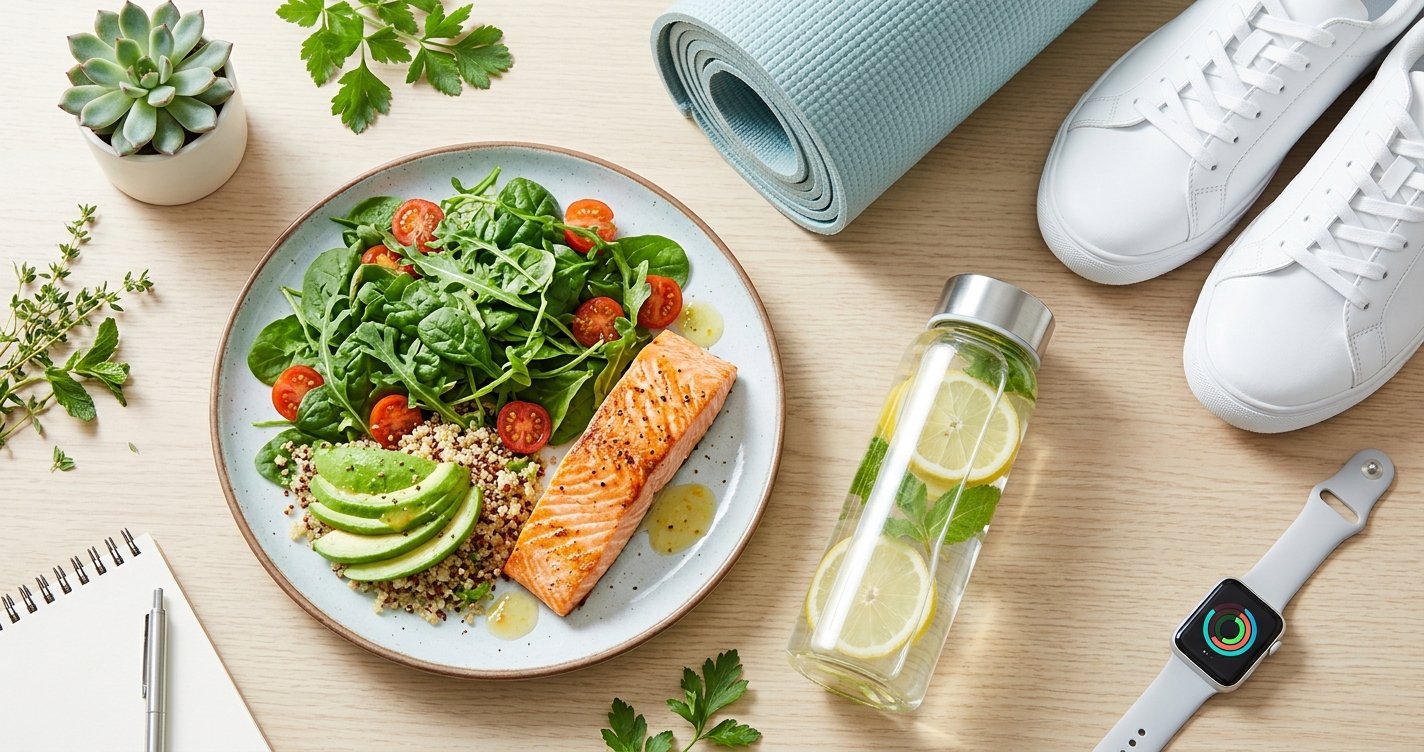
Ditch the Diet Drama: Achieve Sustainable Fat Loss the Smart Way
Are you tired of the endless cycle of crash diets, restrictive eating, and the frustrating rebound weight gain? You're not alone. In a world saturated with quick-fix promises, it's easy to fall into the trap of extreme measures to shed those extra pounds. But what if we told you there's a better, more sustainable way to achieve your fat loss goals – one that doesn't involve starvation, deprivation, or feeling miserable?
This isn't another diet plan. This is a guide to understanding your body, building healthy habits, and fostering a positive relationship with food and exercise that leads to lasting fat loss. We're going to explore evidence-based strategies that prioritize your well-being, energy levels, and long-term success over fleeting results. Get ready to ditch the diet drama and embrace a smarter, kinder approach to a healthier you. this excellent wellness product
Why Crash Diets Fail (And Why You Deserve Better)
Before we dive into what works, let's briefly touch upon why those aggressive, rapid-weight-loss diets often backfire. Understanding their pitfalls is the first step toward breaking free from their cycle.
The Metabolism Myth
When you drastically cut calories, your body perceives it as a famine. In response, your metabolism can slow down to conserve energy. While you might lose weight initially (often water and muscle, not just fat), your body becomes more efficient at holding onto its fat stores. Once you resume normal eating, your slower metabolism makes it easier to regain weight, and often more than you lost.
Psychological Toll & Rebound Weight Gain
Crash diets are incredibly hard on your mental health. The constant hunger, cravings, and social isolation can lead to feelings of deprivation, guilt, and anxiety. This often results in a 'what the heck' mentality, where one slip-up can lead to overeating or bingeing, quickly undoing any progress and leading to the dreaded rebound weight gain. It's a vicious cycle that leaves you feeling defeated and hopeless.
The Foundation: Understanding Sustainable Calorie Deficit
At its core, fat loss requires a calorie deficit – meaning you consume fewer calories than your body burns. However, the key word here is 'sustainable.' This isn't about eating as little as possible; it's about finding a moderate deficit that your body can comfortably maintain over time.
It's Not About Starvation, It's About Balance
A sustainable calorie deficit typically ranges from 300-500 calories below your maintenance level. This allows for gradual fat loss (around 1-2 pounds per week, which is generally considered healthy and sustainable) without triggering extreme metabolic slowdown or intense hunger. It's about making smart choices, not sacrifices.
How to Calculate Your Starting Point
To find your ideal deficit, you first need to estimate your Total Daily Energy Expenditure (TDEE) – the number of calories your body burns in a day through basic functions, activity, and digestion. There are many online TDEE calculators that can give you a good estimate based on your age, sex, weight, height, and activity level. Once you have your TDEE, subtract 300-500 calories to get your target daily intake for fat loss.
Fueling Your Body Smartly: Nutrition for Lasting Results
Nutrition is paramount for fat loss, but it doesn't have to be complicated or restrictive. Focus on nutrient-dense, whole foods that keep you feeling full and satisfied.
Prioritize Protein: The Satiety Superstar
Protein is your best friend when it comes to fat loss. It's highly satiating, meaning it keeps you feeling full for longer, reducing the likelihood of overeating. It also has a higher thermic effect, meaning your body burns more calories digesting it. Aim for a good source of lean protein at every meal: chicken breast, fish, lean beef, eggs, Greek yogurt, lentils, beans, tofu.
Embrace Whole Foods: Fiber, Vitamins, and Satisfaction
Fill your plate with plenty of vegetables, fruits, and whole grains. These foods are packed with fiber, which aids digestion, promotes fullness, and helps regulate blood sugar levels. They also provide essential vitamins and minerals that support overall health and energy. Think colorful salads, roasted veggies, berries, oats, and brown rice.
Don't Fear Healthy Fats & Smart Carbs
Fats are essential for hormone production and nutrient absorption. Focus on healthy unsaturated fats found in avocados, nuts, seeds, and olive oil, but remember they are calorie-dense, so moderate your portions. Carbohydrates provide energy, especially important if you're active. Choose complex carbohydrates like whole grains, sweet potatoes, and legumes over refined sugars and processed foods, which offer little nutritional value and can spike blood sugar.
Hydration: Often Overlooked, Always Important
Drinking plenty of water is crucial. Sometimes, thirst can be mistaken for hunger. Staying well-hydrated supports metabolism, helps with nutrient transport, and can even temporarily increase feelings of fullness. Aim for at least 8 glasses (around 2 liters) of water daily, and more if you're exercising.
Move Your Body, Love Your Body: The Role of Exercise
While nutrition creates the calorie deficit, exercise helps optimize body composition, boosts metabolism, and improves overall health and mood. You don't need to spend hours in the gym; smart movement is key.
Strength Training: Build Muscle, Boost Metabolism
This is arguably the most powerful exercise for fat loss. Building muscle increases your resting metabolic rate, meaning you burn more calories even when you're not exercising. It also helps sculpt your body and gives you a stronger, more toned physique. Aim for 2-3 full-body strength training sessions per week.
Cardio: Heart Health & Calorie Burn (But Don't Overdo It)
Cardiovascular exercise is excellent for heart health, endurance, and burning extra calories. However, excessive cardio can be counterproductive, potentially leading to burnout, muscle loss, and increased hunger. Balance is key. Incorporate 2-3 sessions of moderate-intensity cardio (like brisk walking, jogging, cycling, or swimming) per week, or integrate it into your strength training as warm-ups or finishers.
NEAT: The Power of Everyday Movement
Non-Exercise Activity Thermogenesis (NEAT) refers to the calories you burn through everyday activities that aren't formal exercise – walking, standing, fidgeting, taking the stairs. Increasing your NEAT can significantly contribute to your daily calorie expenditure. Park further away, take the stairs, walk during phone calls, or set a timer to stand up and move every hour.
Beyond the Plate and Gym: Lifestyle Factors for Success
Fat loss isn't just about what you eat and how much you move. Your lifestyle plays a massive role in your body's ability to shed fat and maintain a healthy weight.
Sleep: Your Secret Fat Loss Weapon
Lack of sleep disrupts hormones that regulate hunger (ghrelin) and satiety (leptin), often leading to increased cravings for unhealthy foods and a greater appetite. It also impairs insulin sensitivity and can elevate cortisol levels, making fat loss harder. Aim for 7-9 hours of quality sleep per night.
Stress Management: Taming Cortisol
Chronic stress causes your body to release cortisol, a hormone that can promote fat storage, especially around the belly. Finding healthy ways to manage stress – meditation, yoga, spending time in nature, hobbies, or deep breathing – is vital for both your mental well-being and your fat loss journey.
Mindful Eating: Listening to Your Body
Slow down and pay attention to your body's hunger and fullness cues. Eat without distractions, savor your food, and stop when you're comfortably full, not stuffed. Mindful eating helps you appreciate your meals and prevent overeating.
Building Habits, Not Restrictions: The Long Game
Sustainable fat loss isn't a race; it's a journey of building lasting habits and making gradual, positive changes that become part of your lifestyle.
Consistency Over Perfection
You don't need to be perfect every day. Life happens! Focus on consistency over perfection. If you have an off day or a splurge meal, don't throw in the towel. Acknowledge it, learn from it, and get back on track with your next meal or workout.
Tracking Progress Beyond the Scale
The scale can be a useful tool, but it doesn't tell the whole story. Muscle weighs more than fat, and fluctuations in water weight are common. Track other metrics: how your clothes fit, progress photos, measurements, energy levels, strength gains, and overall mood. Celebrate non-scale victories!
Seek Support & Be Patient
Don't go it alone. Share your goals with a supportive friend, family member, or consider working with a coach. Remember that sustainable fat loss takes time. Be patient with yourself, celebrate small wins, and trust the process.
Ready to Start Your Sustainable Journey?
Ditching the diet drama means embracing a balanced, evidence-based approach to fat loss. It's about nourishing your body, moving it intelligently, prioritizing rest, and managing stress. It's a journey of self-care, not self-punishment.
Start small. Pick one habit from this guide to focus on this week – perhaps adding more protein to your meals, taking a 30-minute walk, or committing to an earlier bedtime. Consistency will build momentum, and soon, these healthy choices will become second nature. You deserve a fat loss journey that feels good, lasts long, and truly transforms your well-being!