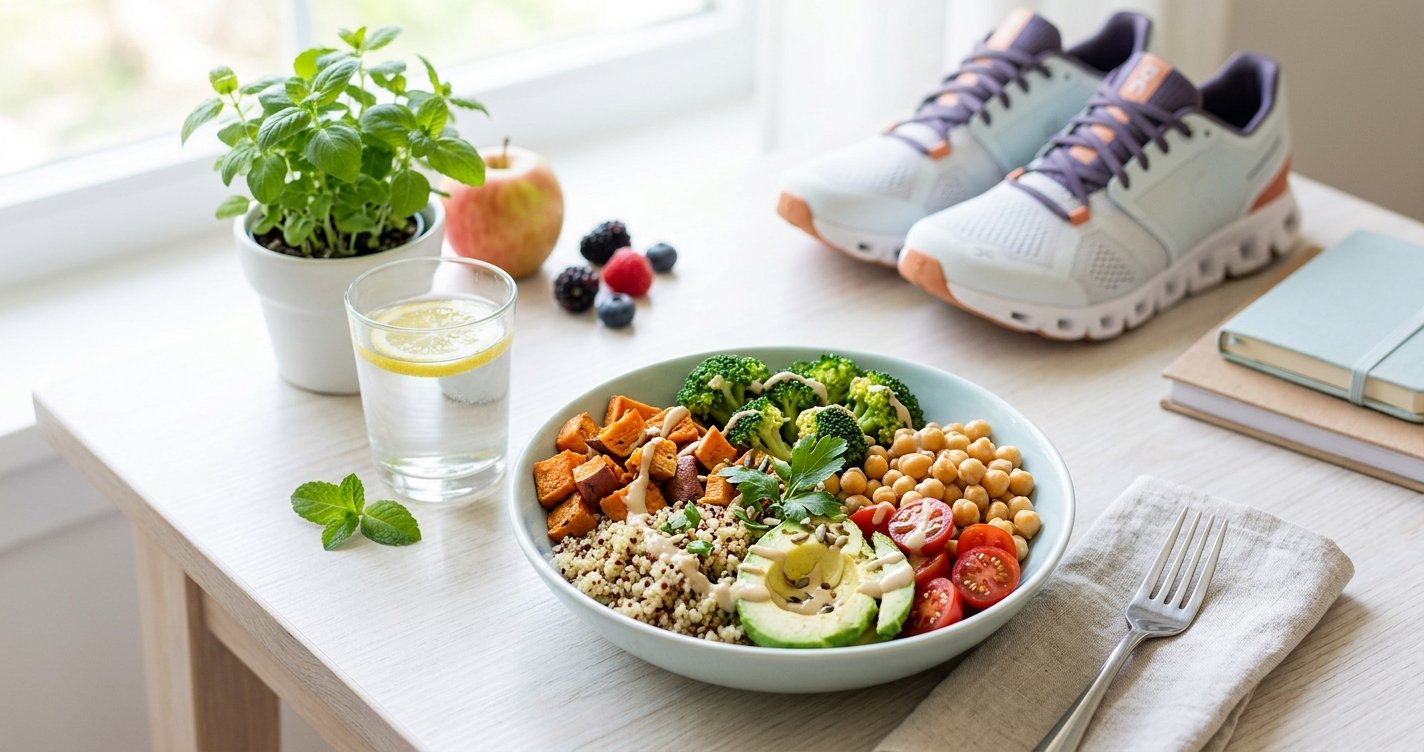
Are you tired of the endless cycle of restrictive diets, quick fixes, and the inevitable rebound? You're not alone. In a world obsessed with rapid weight loss, it's easy to get caught up in promises that rarely deliver sustainable results. But what if there was a different path? A path that focuses not on deprivation, but on truly nourishing your body, understanding its signals, and building habits that last a lifetime?
Welcome to the world of sustainable fat loss – an evidence-based, compassionate approach that moves beyond the scale and towards a healthier, happier you. This isn't about a temporary diet; it's about transforming your relationship with food, movement, and your own body. Let's explore how you can achieve lasting fat loss without ever having to 'diet' again. this excellent wellness product
Why Diets Often Fail: The Cycle of Restriction and Regain
Before we dive into sustainable strategies, it's crucial to understand why conventional diets often fall short. Most diets are built on restriction, creating a sense of deprivation that is unsustainable for the long term. When you drastically cut calories, your body, an ancient survival machine, perceives this as a famine. It responds by slowing down your metabolism to conserve energy, making fat loss harder and increasing the likelihood of regaining weight once you stop the diet.
Beyond the physiological toll, there's the psychological impact. Constant calorie counting, rigid food rules, and the 'good food/bad food' mentality can lead to feelings of guilt, shame, and a disrupted relationship with food. This often results in a 'rebound effect' or yo-yo dieting, where lost weight is quickly regained, often with extra pounds, leaving you feeling frustrated and defeated. Our goal is to break this cycle entirely.
Embrace Intuitive Eating: Listening to Your Body's Wisdom
One of the cornerstones of a non-diet approach to fat loss is intuitive eating. This philosophy encourages you to tune into your body's innate hunger and fullness cues, rather than external rules. It's about reconnecting with your internal wisdom.
- Honor Your Hunger: Eat when you're hungry, not when the clock says you should or when you've 'earned' it. Pay attention to early signs of hunger before you become ravenous, which can lead to overeating.
- Feel Your Fullness: Practice mindful eating by slowing down, savoring your food, and checking in with your body throughout the meal. Stop when you're comfortably full, not painfully stuffed.
- Make Peace with Food: Reject the diet mentality and give yourself unconditional permission to eat. When you remove the forbidden fruit allure, cravings often lessen, and you can make more balanced choices.
- Gentle Nutrition: While listening to your body, also consider how certain foods make you feel. Choose foods that nourish you and provide energy, not just temporary satisfaction.
By shifting your focus from external control to internal signals, you build a healthier, more sustainable relationship with food, which naturally supports fat loss.
Prioritize Whole Foods, Not Perfection: Fueling Your Body Smartly
A sustainable approach to eating doesn't require eliminating entire food groups or adhering to strict meal plans. Instead, it encourages a focus on nutrient-dense, whole foods that support your body's functions and keep you feeling satisfied.
- Lean Proteins: Include sources like chicken, fish, beans, lentils, and tofu in your meals. Protein is crucial for satiety, muscle maintenance (which helps metabolism), and repair.
- Fiber-Rich Carbohydrates: Opt for whole grains (oats, brown rice, quinoa), fruits, and vegetables. Fiber helps you feel full, aids digestion, and stabilizes blood sugar levels.
- Healthy Fats: Incorporate avocados, nuts, seeds, and olive oil. Healthy fats are essential for hormone production, nutrient absorption, and also contribute to satiety.
- Hydration: Don't underestimate the power of water. Staying well-hydrated can help with appetite regulation and overall bodily functions.
The key here is balance and consistency, not perfection. Aim to make mostly nutritious choices, but allow for flexibility and enjoyment of all foods without guilt. This approach is far more sustainable than rigid restrictions.
Move Your Body with Joy: Finding Sustainable Activity
Exercise is a powerful tool for fat loss, but it doesn't have to be a punishment. The most sustainable form of physical activity is one you genuinely enjoy and can stick with long-term. Shift your mindset from 'burning calories' to 'moving your body for health and happiness.'
- Find What You Love: Whether it's dancing, hiking, swimming, cycling, or lifting weights, choose activities that bring you joy.
- Incorporate Both Strength and Cardio: Strength training helps build and maintain muscle mass, which is metabolically active and crucial for fat loss. Cardio improves cardiovascular health and burns calories. Aim for a mix.
- Prioritize Consistency Over Intensity: Starting with manageable workouts you can consistently perform is more effective than sporadic, intense sessions that lead to burnout or injury.
- Increase NEAT: Non-Exercise Activity Thermogenesis (NEAT) refers to the calories burned from daily activities outside of structured exercise. Think taking the stairs, walking more, standing desks – these small movements add up!
Remember, movement should energize you, not drain you. Listen to your body and find a rhythm that feels good and fits into your lifestyle.
The Power of Sleep and Stress Management: Unsung Heroes of Fat Loss
Often overlooked, adequate sleep and effective stress management play a critical role in sustainable fat loss. They directly impact your hormones, energy levels, and food choices.
- Sleep's Impact: Chronic sleep deprivation disrupts hormones like ghrelin (which stimulates appetite) and leptin (which signals fullness), leading to increased hunger and cravings, especially for high-calorie foods. Aim for 7-9 hours of quality sleep per night.
- Stress and Cortisol: When you're stressed, your body releases cortisol, the 'stress hormone.' Elevated cortisol can promote fat storage, particularly around the abdomen, and increase cravings for comfort foods.
Tips for Better Sleep and Stress Management:
- Establish a consistent sleep schedule.
- Create a relaxing bedtime routine (e.g., warm bath, reading, meditation).
- Limit screen time before bed.
- Practice mindfulness, meditation, or deep breathing exercises.
- Engage in hobbies that help you unwind.
- Consider therapy or counseling if stress feels overwhelming.
Prioritizing these aspects isn't just about fat loss; it's about holistic well-being.
Building a Supportive Environment: Mindset Matters
Your mindset and environment significantly influence your success. Sustainable fat loss is as much a mental game as it is a physical one.
- Cultivate Self-Compassion: Be kind to yourself. There will be good days and challenging days. Don't let a minor setback derail your entire journey. Learn from it and move forward.
- Focus on Non-Scale Victories: Celebrate improvements in energy levels, strength, mood, better sleep, clothes fitting differently, and overall well-being. These are often more motivating and meaningful than a number on the scale.
- Seek Support: Surround yourself with people who uplift and encourage you. This could be friends, family, a coach, or a supportive community.
- Manage Expectations: Remember that progress isn't linear. There will be plateaus. Stay consistent and trust the process.
By fostering a positive mindset and a supportive environment, you create the foundation for lasting change.
Patience and Consistency: The Real Secret to Lasting Change
In a world of instant gratification, sustainable fat loss requires a different approach: patience and consistency. True, lasting change doesn't happen overnight; it's the result of small, consistent actions compounded over time.
Think of it as planting a garden. You don't plant a seed and expect a full harvest the next day. You water it, nurture it, protect it, and patiently wait for it to grow. Your body and your health journey are no different. Embrace the process, celebrate every small victory, and trust that consistent effort will lead to the results you desire – not just on the scale, but in how you feel, how you move, and how you live.
Your Journey to a Healthier You Starts Now
Ditching the diet mentality might feel daunting at first, especially if you've been conditioned to believe in quick fixes. But embracing a sustainable, non-diet approach to fat loss is perhaps the most liberating and effective path you can take. It's about empowering yourself with knowledge, listening to your body, and building habits that truly serve your well-being.
Start small. Pick one area to focus on first – maybe it's honoring your hunger, adding more whole foods, or committing to a short daily walk. With patience, consistency, and a newfound respect for your body's wisdom, you can achieve lasting fat loss and a healthier, happier life that extends far beyond any number on the scale. You've got this!