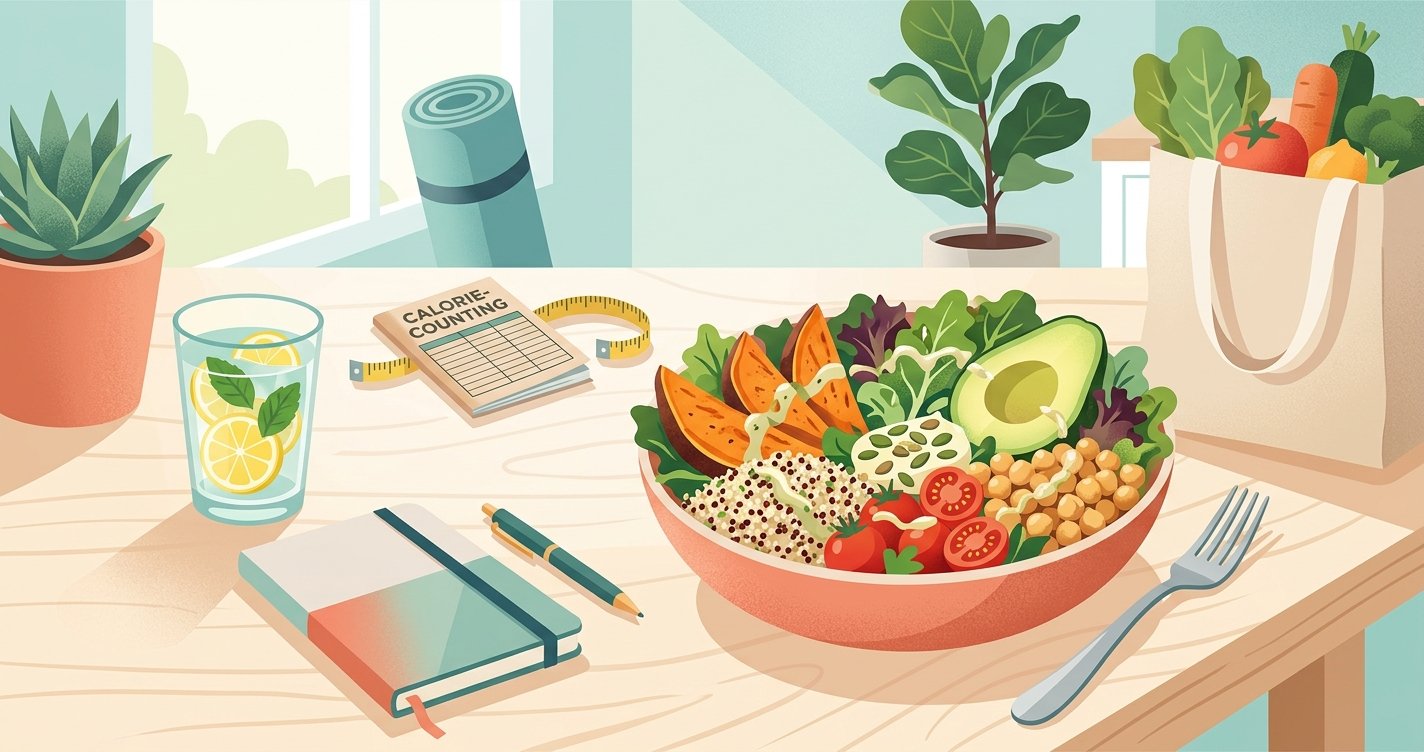
Are you tired of the diet rollercoaster? The endless cycle of restriction, deprivation, temporary weight loss, and then, inevitably, rebound weight gain? You’re not alone. Millions of people struggle with traditional dieting methods, not because they lack willpower, but because these methods are often unsustainable, psychologically draining, and sometimes even detrimental to long-term health.
What if there was a better way? A path to fat loss that doesn't involve counting every single calorie, cutting out entire food groups, or feeling constantly hungry? Good news: there is! Welcome to the world of sustainable fat loss through non-restrictive eating. This isn't a quick fix; it's a fundamental shift in how you approach food, your body, and your overall well-being. It’s about building habits that last a lifetime, helping you shed excess fat, maintain a healthy weight, and feel your best, without the endless struggle. this excellent wellness product
In this comprehensive guide, we'll explore the evidence-based principles behind non-restrictive eating for fat loss, empowering you to ditch the diet mentality for good and embrace a more balanced, joyful, and effective journey towards your health goals.
Why Restrictive Diets Often Fail (And How to Break the Cycle)
Before we dive into the solution, let’s understand the problem. The traditional diet industry thrives on the idea of quick fixes and extreme measures. While these approaches might yield rapid initial weight loss, they rarely lead to lasting success. Here’s why:
- Metabolic Adaptation: Severe calorie restriction can signal your body to slow down its metabolism to conserve energy, making it harder to lose weight over time and easier to regain it once you stop restricting.
- Psychological Rebound: Deprivation often leads to intense cravings and eventual overeating or "falling off the wagon." This creates a vicious cycle of guilt, shame, and further restriction.
- Nutrient Deficiencies: Eliminating entire food groups can lead to a lack of essential vitamins, minerals, and macronutrients, impacting energy levels, mood, and overall health.
- Social Isolation: Strict diets can make social eating difficult, leading to feelings of isolation and making adherence even harder.
Breaking this cycle begins with understanding that your body isn't an enemy to be conquered, but a complex system that responds best to consistent nourishment and care, not deprivation. Non-restrictive eating focuses on building a healthy relationship with food, where all foods can fit, in moderation, and with an emphasis on nutrient density.
The Core Pillars of Non-Restrictive Fat Loss
This approach isn't about rigid rules, but about understanding key nutritional principles that support your body's natural ability to achieve and maintain a healthy weight.
Prioritize Protein and Fiber
If there are two nutritional superstars for fat loss, they are protein and fiber. Here’s why:
- Protein Power: Protein is incredibly satiating, meaning it helps you feel fuller for longer, reducing the likelihood of overeating. It also has a higher thermic effect of food (TEF) – your body burns more calories digesting protein than fats or carbs. Crucially, adequate protein intake is essential for preserving muscle mass, which is vital for a healthy metabolism, especially during fat loss. Aim for lean sources like chicken breast, fish, eggs, Greek yogurt, legumes, and tofu.
- Fiber's Fullness Factor: Found in fruits, vegetables, whole grains, and legumes, fiber adds bulk to your meals without adding many calories. It slows down digestion, stabilizing blood sugar levels and promoting sustained fullness. Soluble fiber, in particular, can help reduce appetite and even improve gut health, which is increasingly linked to weight management.
By building your meals around these two components, you naturally create a more satisfying and nutrient-dense eating pattern that supports fat loss without feeling deprived.
Embrace Mindful Eating
This is perhaps the most powerful tool in your non-restrictive eating arsenal. Mindful eating is about paying full attention to your food – its taste, texture, smell – and to your body's hunger and fullness cues. It means:
- Eating Slowly: It takes about 20 minutes for your stomach to signal your brain that you're full. Slowing down allows your body to register satiety.
- Listening to Your Body: Eat when you're truly hungry, not just bored, stressed, or out of habit. Stop when you're comfortably full, not stuffed.
- Minimizing Distractions: Turn off the TV, put away your phone. Focus on the experience of eating.
- Savoring Each Bite: Appreciate your food. This can increase satisfaction and reduce the urge to overeat.
Mindful eating helps you reconnect with your body's natural wisdom, guiding you towards appropriate portion sizes and preventing emotional eating.
Don't Fear Healthy Fats and Carbs (In Moderation)
The diet world often demonizes entire macronutrient groups, but a balanced approach is key for sustainable fat loss and overall health.
- Healthy Fats: Essential for hormone production, nutrient absorption, and long-term satiety. Sources like avocados, nuts, seeds, olive oil, and fatty fish (omega-3s!) are crucial. While calorie-dense, a moderate amount helps keep you full and satisfied.
- Quality Carbohydrates: Provide essential energy for your brain and muscles. Focus on complex carbohydrates like whole grains (oats, brown rice, quinoa), fruits, and starchy vegetables. These offer fiber, vitamins, and sustained energy, unlike refined carbs which can lead to blood sugar spikes and crashes.
The key here is "healthy" and "moderation." Understand that not all fats and carbs are created equal, and portion control remains important for calorie balance.
Hydration: Your Unsung Hero
Water is often overlooked but plays a critical role in fat loss. It helps with metabolism, nutrient transport, and can even act as a natural appetite suppressant. Sometimes, what feels like hunger is actually thirst. Aim to drink plenty of water throughout the day, especially before meals.
Beyond the Plate: Lifestyle Factors for Sustainable Success
Fat loss isn't just about what you eat; it's about how you live. Holistic well-being significantly impacts your body's ability to shed fat and maintain health.
The Power of Sleep
In our busy world, sleep is often the first thing to be sacrificed, but it's a non-negotiable for fat loss. Lack of sleep disrupts hunger-regulating hormones: it increases ghrelin (the hunger hormone) and decreases leptin (the satiety hormone). This means you'll feel hungrier and less satisfied, often craving high-calorie, sugary foods. Aim for 7-9 hours of quality sleep per night.
Stress Management Matters
Chronic stress elevates cortisol levels. High cortisol can promote fat storage, particularly in the abdominal area, and increase cravings for comfort foods. Finding healthy ways to manage stress – through meditation, yoga, spending time in nature, hobbies, or deep breathing – is crucial for both mental well-being and fat loss.
Movement You Enjoy
You don't need to punish yourself at the gym. Find physical activities that you genuinely enjoy and can stick with consistently. Whether it's walking, dancing, cycling, swimming, hiking, or strength training, regular movement burns calories, builds muscle (which boosts metabolism), improves mood, and reduces stress. Consistency beats intensity every time.
Practical Strategies to Start Today
Ready to put these principles into action? Here are some tangible steps:
- Flexible Meal Planning: Plan your meals loosely, focusing on protein, fiber, and healthy fats. This reduces decision fatigue and impulse eating, but leaves room for flexibility and occasional treats.
- Gentle Nutrition Tracking (Optional): If you’re new to this, tracking your food intake for a few days can provide valuable awareness of your current eating patterns, without making it an obsessive habit. Focus on macronutrient balance and nutrient density, not just calories.
- Small, Sustainable Changes: Don't try to overhaul everything at once. Start with one or two changes – like adding protein to every meal, drinking more water, or practicing mindful eating for one meal a day. Build from there.
- Stock Your Kitchen Smartly: Fill your pantry and fridge with whole, unprocessed foods. This makes healthy choices the easy choices.
Building a Fat Loss Mindset: Patience and Self-Compassion
This journey is not linear. There will be good days and challenging days. The key to sustainable fat loss lies in your mindset:
- Patience is Paramount: Fat loss takes time. Celebrate small victories and focus on consistent effort over immediate results.
- Embrace Self-Compassion: Don't beat yourself up over perceived "slip-ups." Learn from them and get back on track. Perfection is the enemy of progress.
- Focus on Health, Not Just a Number: Shift your focus from the scale to how you feel, your energy levels, your strength, and your overall well-being. The numbers will often follow.
Your Journey to Lasting Fat Loss Starts Now
Ditching the restrictive diet mindset might feel daunting at first, especially if you've been conditioned by years of diet culture. But embracing a non-restrictive, evidence-based approach to fat loss is not only more effective in the long run but also infinitely more enjoyable and sustainable.
By prioritizing protein and fiber, practicing mindful eating, valuing quality sleep, managing stress, and moving your body in ways you love, you're not just losing fat; you're building a healthier, happier, and more balanced life. This is your invitation to step off the diet rollercoaster and onto a path of lasting well-being. You have the power to create a relationship with food and your body that is nourishing, empowering, and truly sustainable.