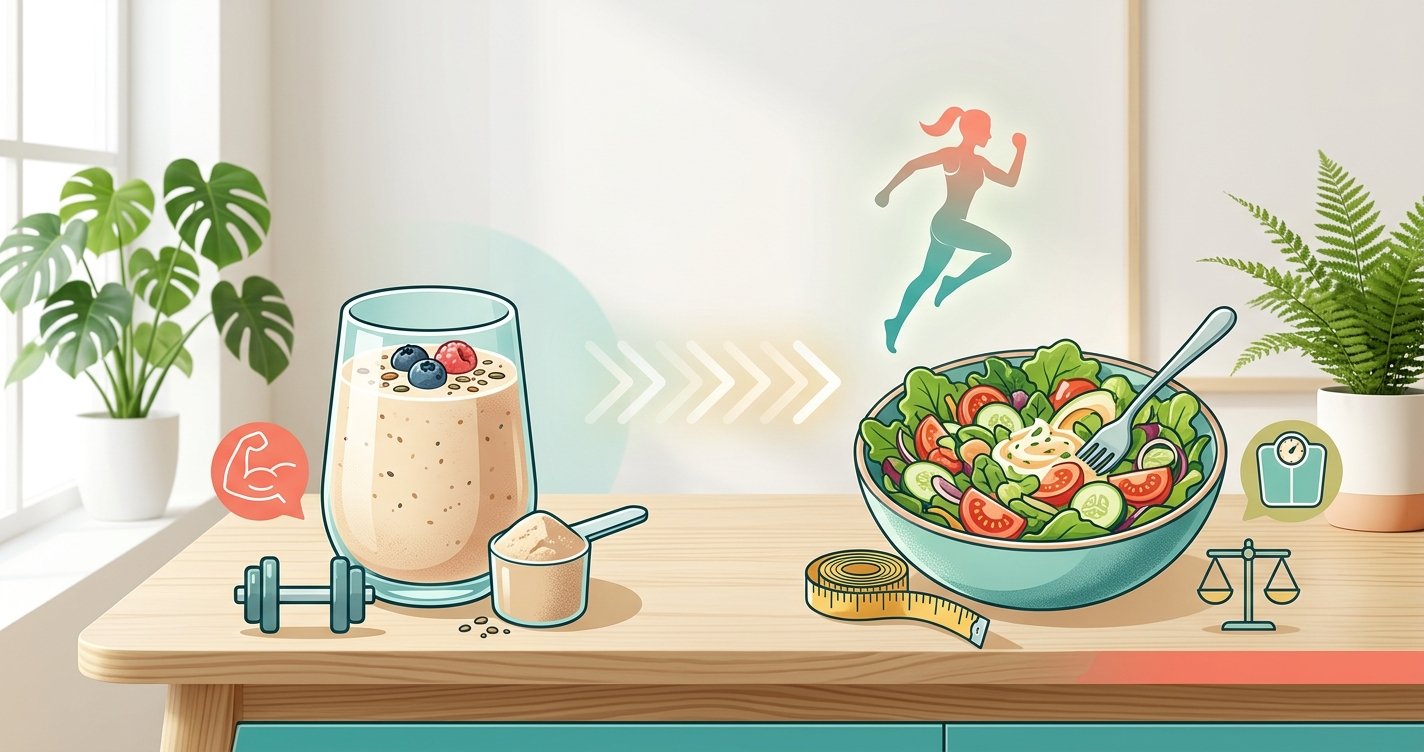
Are you tired of quick-fix diets that promise the world but leave you feeling deprived and right back where you started? You're not alone. The journey to sustainable fat loss can feel overwhelming with endless trends and conflicting advice. But what if we told you that two fundamental, evidence-based principles could simplify your approach and lead to lasting results? Meet the dynamic duo: the calorie deficit and adequate protein intake.
Forget the fads; these two powerhouses are the scientific cornerstones of effective fat loss, working in harmony to help you shed unwanted fat, preserve precious muscle, and feel great while doing it. In this friendly, evidence-based guide, we'll dive deep into why understanding and implementing these strategies will empower you to achieve your fat loss goals sustainably. this excellent wellness product
Understanding the Core Principle: The Calorie Deficit
Let's start with the absolute non-negotiable truth about fat loss: you must consume fewer calories than your body expends. This is what we call a 'calorie deficit.' Think of your body as a sophisticated energy system. If you put in more fuel (calories) than you burn, your body stores the excess, often as fat. Conversely, if you consistently provide less fuel than needed, your body taps into its stored energy reserves – primarily body fat – to make up the difference.
It sounds simple, and in principle, it is. However, the key lies in creating a *moderate* and sustainable deficit. A drastic deficit might lead to rapid initial weight loss, but it often comes at the cost of muscle mass, energy levels, and adherence. A deficit of 300-500 calories per day below your maintenance level is generally recommended for healthy, sustainable fat loss of 1-2 pounds per week. You can estimate your maintenance calories using online calculators (search for 'TDEE calculator'), but remember, these are just starting points; listening to your body and tracking your progress are crucial.
The calorie deficit is the engine of fat loss, but it needs a co-pilot to ensure the journey is smooth, efficient, and preserves what matters most: your muscle.
The Mighty Macronutrient: Why Protein is Your Best Friend for Fat Loss
While a calorie deficit dictates whether you lose weight, protein largely influences *what kind* of weight you lose. For sustainable fat loss, we want to maximize fat loss and minimize muscle loss. This is where protein shines, earning its title as the most vital macronutrient for your fat loss journey.
Satiety Powerhouse: Feeling Fuller for Longer
One of the biggest challenges in a calorie deficit is managing hunger and cravings. Protein is king here! Studies consistently show that protein is the most satiating macronutrient, meaning it helps you feel fuller and more satisfied for longer compared to carbohydrates or fats. This effect helps reduce overall calorie intake naturally, making it easier to stick to your deficit without feeling constantly hungry or deprived. Hello, fewer snack attacks!
Muscle Preservation: Protecting Your Gains
When you're in a calorie deficit, your body looks for energy wherever it can find it. Without sufficient protein, it can start breaking down muscle tissue for fuel, which is counterproductive. Muscle is metabolically active, meaning it burns more calories at rest than fat tissue. Preserving muscle mass is crucial for maintaining a healthy metabolism and achieving that toned, lean physique you're working towards. Adequate protein signals to your body to prioritize burning fat while sparing your hard-earned muscle.
Thermic Effect of Food (TEF): The Protein Burn
Did you know that your body expends energy just to digest, absorb, and metabolize the food you eat? This is known as the Thermic Effect of Food (TEF). Protein has a significantly higher TEF than carbohydrates or fats. Roughly 20-30% of the calories in protein are burned off during digestion, compared to 5-10% for carbs and 0-3% for fats. This means that by prioritizing protein, you're effectively burning more calories just by eating!
Repair and Recovery: Fueling Your Body
If you're combining your nutrition strategy with exercise (which we highly recommend for optimal fat loss and overall health), protein becomes even more critical. It provides the essential amino acids needed to repair and rebuild muscle tissue damaged during workouts, leading to stronger, more resilient muscles and faster recovery. This allows you to train consistently and effectively, further supporting your fat loss goals.
How Much Protein Do You Really Need for Fat Loss?
The general recommendation for active individuals aiming for fat loss is often higher than for sedentary individuals. A good target range is typically 1.6 to 2.2 grams of protein per kilogram of body weight (or 0.7 to 1 gram per pound of target body weight). For example, if you weigh 70 kg (about 154 lbs), aiming for 112-154 grams of protein per day would be a great starting point.
Don't worry if these numbers seem high at first; small, consistent changes make a big difference. Focus on incorporating protein-rich sources into every meal and snack.
- Lean Meats: Chicken breast, turkey, lean beef, pork loin
- Fish & Seafood: Salmon, tuna, cod, shrimp
- Eggs: Whole eggs or egg whites
- Dairy: Greek yogurt, cottage cheese, milk, whey protein powder
- Legumes: Lentils, beans, chickpeas
- Plant-Based: Tofu, tempeh, edamame, seitan, plant-based protein powders
Putting It All Together: Practical Strategies for Success
Now that you understand the 'why,' let's talk about the 'how' to integrate the calorie deficit and protein into your daily life for maximum fat loss success.
Prioritize Protein at Every Meal
Start your day with protein! A breakfast rich in protein (e.g., eggs, Greek yogurt) sets a positive tone for satiety throughout the day. Aim for a palm-sized portion of protein at lunch and dinner too. Think chicken and veggie stir-fry, salmon with roasted asparagus, or a lentil and vegetable curry.
Smart Snacking
When hunger strikes between meals, reach for protein-packed snacks. Instead of chips or cookies, opt for cottage cheese with berries, a hard-boiled egg, a handful of almonds, or a protein shake. These choices will keep you feeling full and support your muscle-sparing goals.
Track, Don't Obsess
For a period, tracking your calorie and protein intake using an app can be incredibly insightful. It helps you understand portion sizes and where your calories are coming from. However, the goal isn't to track forever, but to build awareness and intuitive eating habits. Once you're confident in your choices, you can ease off the strict tracking.
Hydration and Fiber: The Supporting Cast
While protein and calorie deficit are the stars, don't forget the supporting cast. Drinking plenty of water helps with satiety and overall bodily functions. High-fiber foods (fruits, vegetables, whole grains) contribute to fullness, aid digestion, and provide essential nutrients, making your calorie deficit feel much more manageable.
Consistency Over Perfection
Remember, fat loss is a journey, not a race. There will be days when you go over your calorie target or miss a protein goal. That's perfectly normal! The key is consistency over time. Don't let one 'off' day derail your entire week. Get back on track with your next meal, learn from it, and move forward.
Common Pitfalls and How to Avoid Them
Even with the best intentions, it's easy to stumble. Avoid a too-drastic calorie deficit, which can lead to extreme hunger, metabolic slowdown, and muscle loss. Don't neglect your sleep, as poor sleep can increase hunger hormones and make fat loss harder. Lastly, be patient; sustainable fat loss takes time. Trust the process, and celebrate small victories along the way.
Your Sustainable Fat Loss Journey Starts Now!
Embracing the power of a moderate calorie deficit combined with a high-protein diet is one of the most effective, evidence-based, and sustainable ways to achieve your fat loss goals. This dynamic duo not only helps you shed fat but also preserves muscle, boosts satiety, and keeps your metabolism humming. It’s not about restriction; it’s about smart nutrition choices that empower your body to thrive.
Start small, make gradual changes, and be kind to yourself throughout the process. With consistency and a focus on these two fundamental principles, you’ll be well on your way to a leaner, stronger, and healthier you. You've got this!