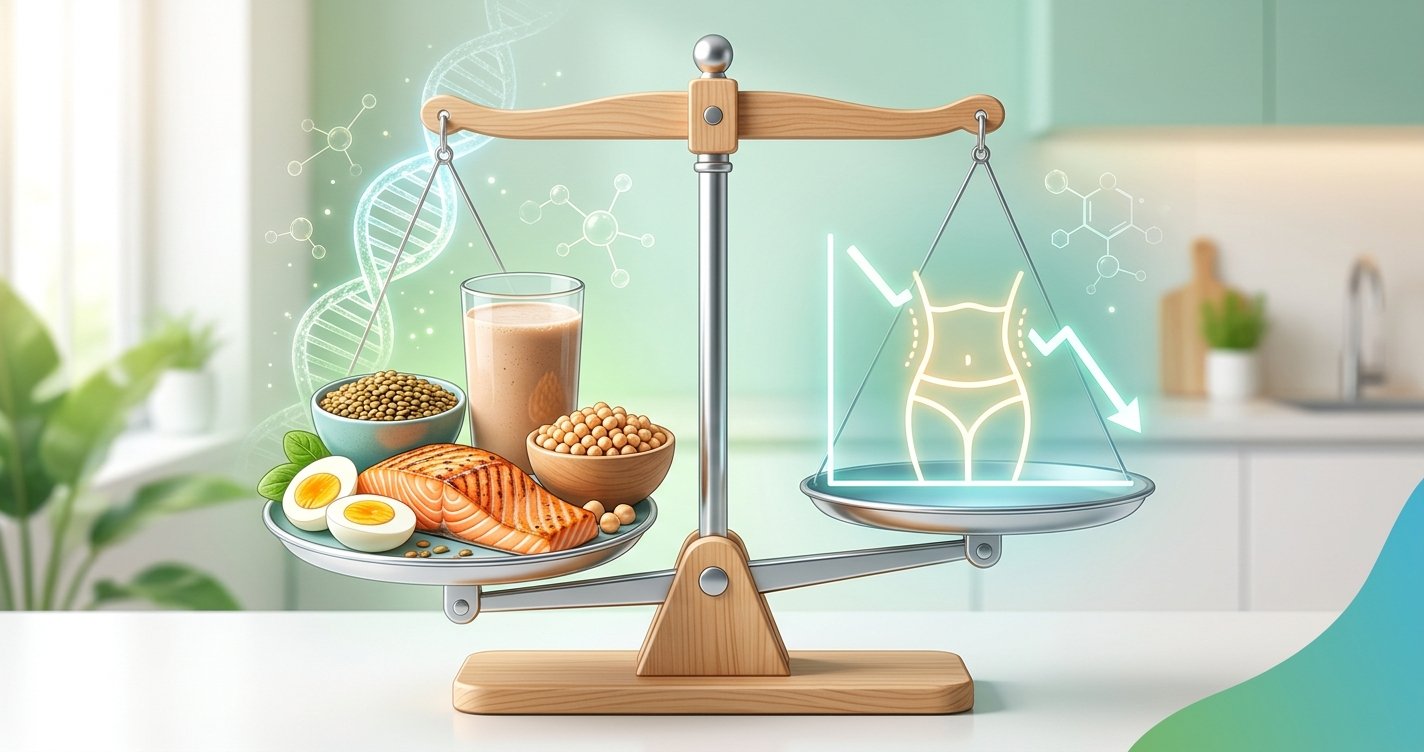
Are you tired of restrictive diets and endless cardio that don't seem to yield lasting fat loss results? You're not alone. Many people struggle to shed unwanted body fat and keep it off. What if we told you there's a powerful, often overlooked nutrient that can be your ultimate ally in this journey? We're talking about protein!
Protein isn't just for bodybuilders; it's a fundamental macronutrient crucial for everyone, especially those aiming for sustainable fat loss and a healthier body composition. In this evidence-based guide, we'll dive deep into why protein is so effective, how much you truly need, and practical ways to integrate more of it into your daily life. Get ready to unlock the secrets to a leaner, stronger you, without feeling deprived! this excellent wellness product
Why Protein is Your Ultimate Ally in Fat Loss
Protein plays several unique roles in your body that make it an indispensable tool for effective fat loss. It’s not just about building muscles; it’s about optimizing your metabolism, managing hunger, and preserving lean mass.
The Satiety Secret: Feeling Full, Longer
One of the biggest challenges with fat loss is managing hunger and cravings. Protein is king when it comes to satiety. Consuming adequate protein helps you feel fuller for longer periods compared to carbohydrates or fats. This is due to its impact on several hunger-regulating hormones, such as GLP-1 and PYY, which signal fullness to your brain. By feeling more satisfied, you're naturally less likely to overeat or snack unnecessarily, leading to a reduction in overall calorie intake without feeling deprived.
Metabolic Boost: The Thermic Effect of Food (TEF)
Did you know that your body burns calories just to digest and process the food you eat? This is known as the Thermic Effect of Food (TEF). Protein has a significantly higher TEF than carbohydrates or fats. Approximately 20-30% of the calories from protein are expended during digestion, compared to 5-10% for carbs and 0-3% for fats. This means that by simply eating more protein, you're giving your metabolism a small but consistent boost, helping you burn more calories throughout the day.
Muscle Protection: Preserve What Matters
When you're in a calorie deficit to lose fat, your body can sometimes break down muscle tissue for energy, not just fat. This is detrimental because muscle is metabolically active – it burns more calories at rest than fat tissue. Losing muscle can slow down your metabolism and make it harder to keep the fat off in the long run. A high-protein intake is crucial for preserving lean muscle mass during fat loss, ensuring that the weight you lose is primarily fat, not valuable muscle. This helps maintain a higher resting metabolic rate and a more toned physique.
How Much Protein Do You Really Need for Fat Loss?
The recommended daily allowance (RDA) for protein is often cited as 0.8 grams per kilogram of body weight. However, this is typically the minimum to prevent deficiency, not necessarily optimal for fat loss or muscle preservation, especially for active individuals. For those actively trying to lose fat and preserve muscle, research suggests a higher intake is beneficial.
- General Recommendation: Aim for approximately 1.6 to 2.2 grams of protein per kilogram of body weight (or 0.7 to 1.0 grams per pound of body weight) per day.
- Example: If you weigh 70 kg (about 154 lbs), you'd be looking at 112-154 grams of protein daily.
It's also beneficial to distribute your protein intake throughout the day, rather than consuming most of it in one meal. Aim for 20-40 grams of protein per meal, and include protein in your snacks. This steady supply helps maximize muscle protein synthesis and keeps you feeling full.
Practical Strategies: Making Protein a Priority in Your Diet
Integrating more protein into your diet doesn't have to be complicated or boring. With a few smart choices, you can easily hit your targets.
Breakfast Boosts: Start Your Day Strong
Kickstarting your day with protein can set you up for success. Forget sugary cereals that leave you hungry an hour later.
- Eggs: Scrambled, boiled, or an omelet – versatile and packed with protein.
- Greek Yogurt or Cottage Cheese: High in protein, low in sugar, and can be paired with berries.
- Protein Smoothies: Blend protein powder with fruit, spinach, and milk/water for a quick, nutrient-dense option.
Lean Lunch & Dinner: The Main Event
Make protein the centerpiece of your main meals.
- Lean Meats: Chicken breast, turkey, lean beef, pork loin.
- Fish: Salmon, tuna, cod, tilapia – excellent sources of protein and healthy fats.
- Plant-Based: Lentils, chickpeas, black beans, tofu, tempeh, edamame are fantastic options for vegetarians and vegans.
- Quinoa: A complete protein that makes a great side dish or base for salads.
Smart Snacking: Curb Cravings Effectively
Don't let hunger derail your progress between meals. Choose protein-rich snacks.
- Hard-boiled eggs
- A handful of almonds or walnuts
- Jerky or biltong (check for low sugar options)
- Protein bars (choose wisely, looking for low sugar and high protein)
- A small serving of cottage cheese or Greek yogurt
Meal Prepping Tip: Cook larger batches of protein sources like chicken, lentils, or ground turkey at the beginning of the week. This makes assembly for subsequent meals quick and convenient.
Beyond Food: Are Protein Supplements Necessary for Fat Loss?
Protein supplements, like whey, casein, or plant-based powders, can be a convenient tool, but they are generally not essential if you can meet your protein needs through whole foods. They shine when:
- Convenience is Key: For busy individuals, a quick protein shake can be easier than preparing a meal.
- Hitting Targets: If you struggle to consume enough protein from whole foods alone, supplements can help bridge the gap.
- Dietary Restrictions: Plant-based protein powders are excellent for vegans or those with dairy allergies.
Remember, supplements should supplement your diet, not replace nutrient-dense whole foods. Always prioritize real food sources first.
Synergy for Success: Combining Protein with Other Fat Loss Pillars
While protein is a superstar, it works best when combined with other healthy lifestyle habits. Think of it as a powerful ingredient in a comprehensive recipe for fat loss.
- Strength Training: This is protein's best friend! Lifting weights signals your muscles to grow and adapt, and adequate protein provides the building blocks. This combination is highly effective for preserving and building muscle, which further boosts your metabolism.
- Adequate Hydration: Drinking enough water is vital for metabolic function, satiety, and overall health. Sometimes, thirst can be mistaken for hunger.
- Quality Sleep: Poor sleep can disrupt hormones that regulate hunger and fat storage, making fat loss significantly harder. Aim for 7-9 hours of quality sleep per night.
- Fiber and Healthy Fats: Don't forget other important nutrients! Fiber (from fruits, vegetables, whole grains) enhances satiety and digestive health. Healthy fats (from avocados, nuts, seeds, olive oil) are crucial for hormone production and nutrient absorption.
Your Journey to Sustainable Fat Loss Starts Here
Embracing a higher protein intake is not a quick fix, but a sustainable, evidence-backed strategy that can revolutionize your fat loss journey. By prioritizing protein, you'll naturally feel fuller, boost your metabolism, and protect your precious muscle mass, leading to more effective and lasting results.
Start small, make gradual changes, and listen to your body. Experiment with different protein sources and find what works best for you. Remember, sustainable fat loss is about building healthy habits you can maintain for life. Incorporate more protein, pair it with smart training and lifestyle choices, and watch as you transform your body composition and feel more energized than ever before. You've got this!
Disclaimer: Always consult with a healthcare professional or registered dietitian before making significant changes to your diet, especially if you have underlying health conditions.