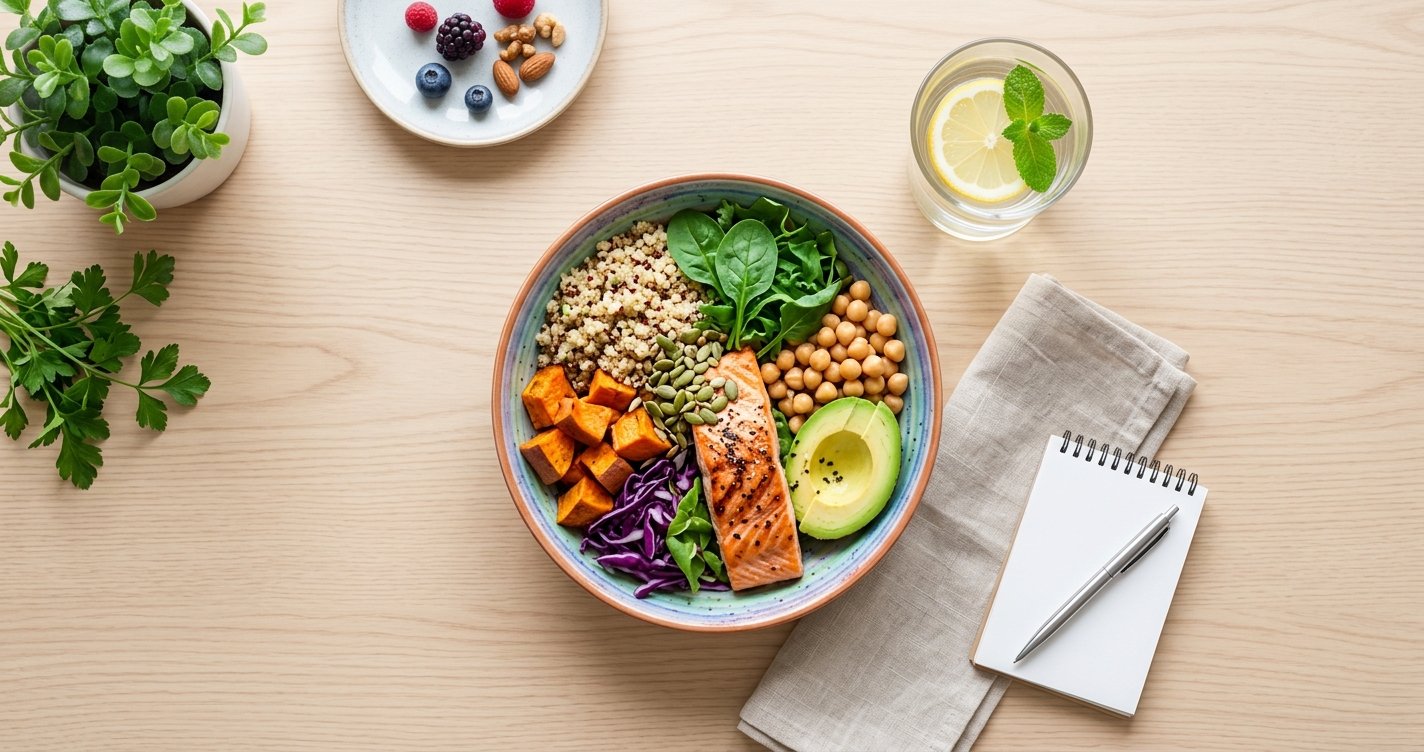
Eat Smart, Lose Fat: Your Guide to Sustainable Nutrition for a Healthier You
Are you tired of the endless cycle of restrictive diets, quick fixes, and the inevitable rebound? You're not alone. Many of us have been down that road, only to find ourselves back where we started, feeling frustrated and defeated. The truth is, lasting fat loss isn't about deprivation; it's about building sustainable, healthy nutrition habits that nourish your body and support your goals for the long run. This isn't just about shedding pounds; it's about cultivating a healthier, more vibrant you.
In this comprehensive guide, we'll dive into evidence-based nutrition strategies that empower you to make smarter food choices, understand your body's needs, and achieve sustainable fat loss without sacrificing your love for food. Let's ditch the fads and embrace a path to a healthier, happier you! this excellent wellness product
The Foundation: Understanding Caloric Deficit (Without Starvation!)
At its core, fat loss comes down to one fundamental principle: consuming fewer calories than your body burns. This is known as creating a caloric deficit. While it sounds simple, the execution is where many go wrong, often opting for extreme deficits that are unsustainable and detrimental to health.
A moderate caloric deficit (typically 300-500 calories below your daily maintenance needs) allows your body to tap into its fat stores for energy while preserving precious muscle mass. Starving yourself or severely cutting calories can lead to muscle loss, a slowed metabolism, and an increased likelihood of regaining weight once you stop the diet. Focus on gradual, consistent progress rather than drastic, short-lived changes.
Macronutrients Matter: Fueling Your Body for Fat Loss
While total calories are important, the composition of those calories—your macronutrients (protein, carbohydrates, and fats)—plays a crucial role in satiety, energy levels, and body composition.
Protein: Your Fat Loss Ally
Protein is arguably the most important macronutrient for fat loss. Why?
- Satiety: Protein keeps you feeling fuller for longer, reducing cravings and overall calorie intake.
- Muscle Preservation: Adequate protein intake helps prevent muscle loss during a caloric deficit, which is vital for maintaining a healthy metabolism.
- Thermic Effect: Protein has a higher thermic effect of food (TEF) than carbs or fats, meaning your body burns more calories digesting it.
Aim for lean protein sources like chicken breast, turkey, fish, eggs, Greek yogurt, cottage cheese, legumes, and tofu at every meal.
Carbs: Friend, Not Foe (Choose Wisely!)
Carbohydrates have gotten a bad rap, but they are your body's primary energy source. The key is choosing the right kind. Focus on complex carbohydrates over refined ones:
- Complex Carbs: Found in whole grains (oats, brown rice, quinoa), fruits, and vegetables. They are rich in fiber, providing sustained energy and promoting satiety.
- Simple Carbs: Found in sugary drinks, white bread, and pastries. They offer quick energy spikes followed by crashes and lack essential nutrients.
Don't fear carbs; embrace nutrient-dense options to fuel your workouts and daily activities.
Fats: Essential for Health and Hormones
Healthy fats are crucial for hormone production, nutrient absorption, and overall health. They also contribute to satiety, helping you feel satisfied after meals. However, fats are calorie-dense, so portion control is key.
Prioritize unsaturated fats found in:
- Avocados
- Nuts and seeds (almonds, walnuts, chia seeds)
- Olive oil and other plant-based oils
- Fatty fish (salmon, mackerel)
Limit saturated and trans fats found in processed foods and excessive red meat.
Beyond Macros: The Power of Whole Foods and Fiber
While tracking macros can be helpful, focusing on whole, unprocessed foods is often a more sustainable and intuitive approach. Whole foods are naturally rich in vitamins, minerals, antioxidants, and most importantly, fiber.
Fiber is a game-changer for fat loss:
- It adds bulk to your meals without adding many calories, promoting fullness.
- It aids digestion and helps regulate blood sugar levels, preventing energy crashes and cravings.
- It supports a healthy gut microbiome, which is increasingly linked to weight management.
Load up on fruits, vegetables, and whole grains at every meal. They are your allies in feeling satisfied and nourished.
Hydration: An Often-Overlooked Superpower
Water is essential for virtually every bodily function, including metabolism. Staying adequately hydrated can significantly impact your fat loss journey:
- It can help you feel fuller, potentially reducing overall calorie intake.
- It supports optimal metabolic function.
- It helps your body distinguish between hunger and thirst, preventing unnecessary snacking.
Aim for at least 8 glasses of water a day, more if you're active or in a hot climate. Keep a water bottle handy as a constant reminder!
Mindful Eating & Lifestyle Habits for Long-Term Success
Sustainable fat loss isn't just about what you eat, but how and why you eat. Integrating mindful eating practices and supportive lifestyle habits can make all the difference.
Tune into Your Body's Signals
Learn to recognize genuine hunger cues versus emotional hunger or boredom. Eat slowly, savor your food, and stop when you feel comfortably full, not stuffed.
Meal Prepping & Planning
Failing to plan is planning to fail. Dedicate some time each week to plan your meals and snacks. This reduces reliance on unhealthy convenience foods and ensures you have nutritious options readily available.
Consistency Over Perfection
No one eats perfectly all the time. The occasional treat or deviation from your plan won't derail your progress. What matters most is consistency over time. If you have an off day, simply get back on track with your next meal.
The Importance of Sleep & Stress Management
Poor sleep and chronic stress can wreak havoc on your hormones (like ghrelin and leptin, which regulate hunger and satiety) and increase cravings for unhealthy foods. Prioritize 7-9 hours of quality sleep and find healthy ways to manage stress, such as meditation, yoga, or spending time in nature.
Practical Tips to Get Started Today
Ready to embark on your sustainable fat loss journey? Here are some actionable steps:
- Start Small: Don't try to overhaul everything at once. Pick one or two habits to focus on, like adding a serving of vegetables to every meal or drinking more water.
- Focus on Protein: Make sure each meal includes a good source of lean protein to boost satiety and preserve muscle.
- Hydrate Strategically: Drink a glass of water before each meal to help with fullness.
- Read Labels: Become a detective for hidden sugars and unhealthy fats in packaged foods. Opt for ingredients you recognize.
- Cook More at Home: This gives you control over ingredients and portion sizes.
- Practice Mindful Eating: Slow down, put away distractions, and pay attention to your food.
- Track Progress (If Desired): Whether it's food intake, energy levels, or measurements, monitoring can provide valuable insights and motivation.
Embrace Your Journey to a Healthier You
Sustainable fat loss through nutrition is not a sprint; it's a marathon—a journey of learning, adapting, and growing. By focusing on whole foods, adequate protein, smart carbohydrate and fat choices, hydration, and mindful eating, you're not just losing fat; you're building a foundation for lifelong health and well-being. Be patient with yourself, celebrate small victories, and remember that every healthy choice moves you closer to a healthier, happier you. You've got this!