Eat Smart, Lose Fat: The Sustainable Nutrition Playbook for Lasting Results
Are you tired of the endless cycle of restrictive diets, quick fixes, and the inevitable rebound weight gain? You’re not alone. The journey to fat loss can often feel like a frustrating maze, with countless conflicting pieces of advice. But what if we told you there’s a better way – a sustainable path that not only helps you shed unwanted fat but also improves your relationship with food and empowers you to maintain your results for life?
This isn't about deprivation or bland meals. It's about understanding the science of fat loss and building nutrition habits that fit seamlessly into your life. We'll explore evidence-based strategies that prioritize your health, energy, and long-term success. Get ready to ditch the diet mentality and embrace a smarter, more sustainable approach to fat loss. this excellent wellness product
Why "Dieting" Often Fails: Understanding the Cycle
Before diving into solutions, let's briefly understand why so many traditional 'diets' fall short. Most popular diets promise rapid results by drastically cutting calories or eliminating entire food groups. While this might lead to initial weight loss, it's rarely sustainable. Extreme restriction often triggers intense cravings, nutrient deficiencies, and a feeling of deprivation that eventually leads to 'falling off the wagon.'
When you restrict too much, your body can go into a protective mode, slowing metabolism and making it harder to lose fat. Furthermore, the psychological toll of constant restriction can lead to cycles of binging and guilt, eroding self-confidence and making long-term adherence almost impossible. True fat loss isn't about a temporary fix; it's about making permanent, positive changes you can stick with.
The Foundation: Caloric Deficit Done Right
Let's get straight to the scientific core of fat loss: you must consume fewer calories than your body expends. This is known as a caloric deficit. It's not a myth, it's basic energy balance, and it's non-negotiable for losing fat. However, the key here is 'done right.'
A moderate caloric deficit – typically 300-500 calories below your maintenance level – is far more effective and sustainable than a drastic one. Why? Because it allows your body to tap into stored fat for energy without triggering extreme hunger, excessive muscle loss, or a significant metabolic slowdown. You can estimate your daily caloric needs using an online TDEE (Total Daily Energy Expenditure) calculator, but remember these are just starting points. Listen to your body and adjust as needed. Tracking your food intake for a few weeks can be incredibly insightful, helping you understand portion sizes and the caloric density of different foods, but it doesn't have to be a lifelong commitment.
Prioritizing Protein: Your Fat Loss Superpower
If there's one macronutrient to prioritize for fat loss, it's protein. Protein is a true superpower for several reasons:
- Satiety: Protein is incredibly filling. Including adequate protein in your meals helps you feel fuller for longer, reducing overall calorie intake naturally.
- Muscle Preservation: When you're in a caloric deficit, your body can break down muscle tissue for energy. A higher protein intake (around 0.7-1 gram per pound of body weight) helps preserve lean muscle mass, which is crucial because muscle is metabolically active and helps burn calories even at rest.
- Thermic Effect of Food (TEF): Protein has a higher TEF than carbs or fats. This means your body expends more energy digesting and metabolizing protein, giving you a slight metabolic boost.
Aim to include a lean protein source in every meal. Think chicken breast, turkey, lean beef, fish, eggs, Greek yogurt, cottage cheese, lentils, beans, and protein powder.
Embrace Whole Foods: Fueling Your Body, Not Just Filling It
While a caloric deficit is essential, the *quality* of your calories matters immensely. Focusing on whole, unprocessed foods provides your body with the nutrients it needs to thrive, optimizing satiety, energy levels, and overall health. Here's how to make it work:
- Fiber-Rich Carbohydrates: Don't fear carbs! Choose complex carbohydrates like whole grains (oats, quinoa, brown rice), fruits, and vegetables. These are packed with fiber, which aids digestion, promotes fullness, and provides sustained energy without sharp blood sugar spikes.
- Healthy Fats: Fats are vital for hormone production, nutrient absorption, and satiety. Incorporate sources like avocados, nuts, seeds, olive oil, and fatty fish (salmon, mackerel) in moderation. They add flavor and help you feel satisfied, preventing overeating.
- Minimize Processed Foods: Highly processed foods are often calorie-dense, nutrient-poor, and designed to be hyper-palatable, making it easy to overeat. They often contain unhealthy fats, added sugars, and artificial ingredients that can hinder your fat loss progress and overall health.
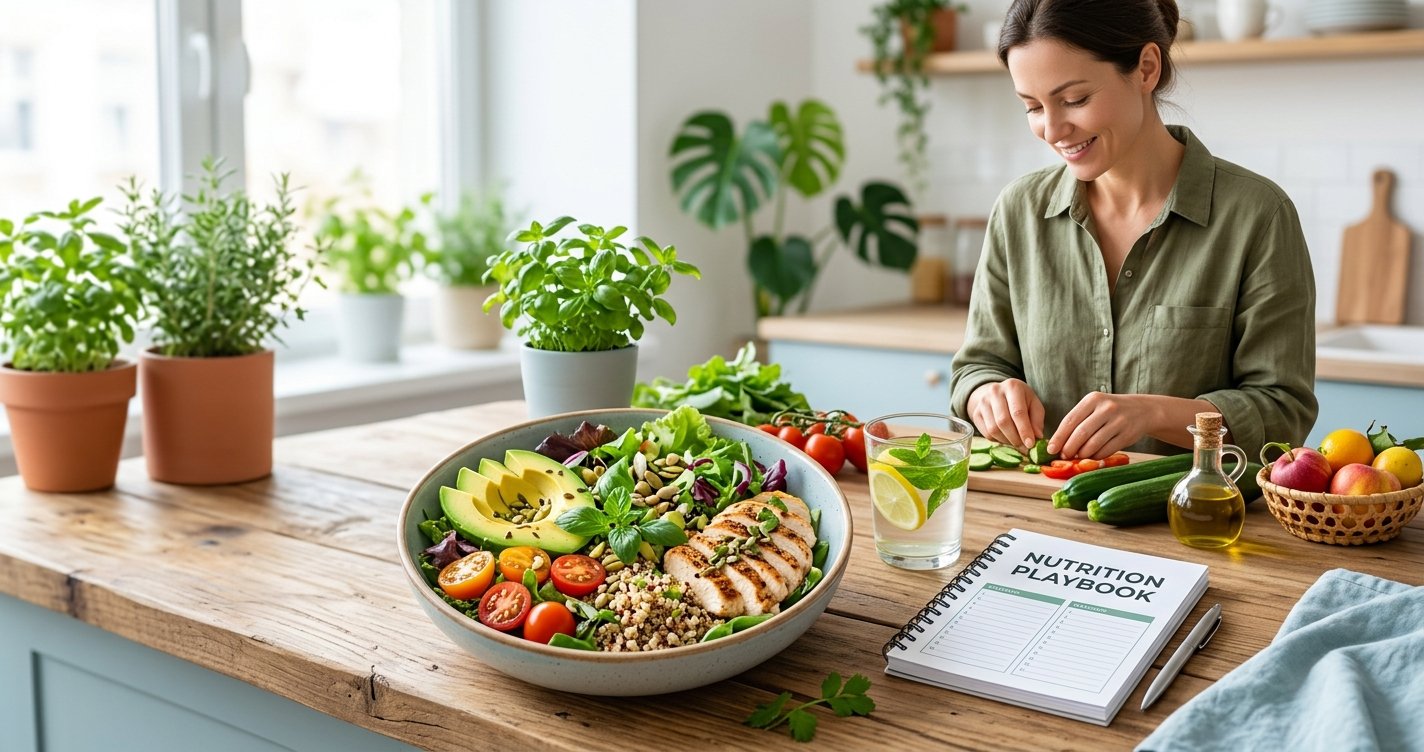
Think about building your plate: half non-starchy vegetables, a quarter lean protein, and a quarter complex carbohydrates, with a touch of healthy fats.
Mindful Eating: Reconnecting with Your Body's Signals
Beyond *what* you eat, *how* you eat plays a profound role in sustainable fat loss. Mindful eating is about paying attention to your food, your body's hunger and fullness cues, and the experience of eating itself. It can transform your relationship with food and prevent mindless overeating.
- Eat Slowly: It takes about 20 minutes for your stomach to signal to your brain that you're full. Eating slowly gives your body time to register satiety, preventing you from consuming more than you need.
- Savor Each Bite: Pay attention to the flavors, textures, and aromas of your food. This enhances enjoyment and makes the meal more satisfying.
- Listen to Hunger and Fullness: Before eating, ask yourself if you're truly hungry. During the meal, check in with your body – are you comfortably full, or still hungry? Stop when you feel satisfied, not stuffed.
- Minimize Distractions: Avoid eating in front of the TV, computer, or phone. These distractions can lead to mindless eating and make it harder to recognize your body's signals.
- Address Emotional Eating: If you find yourself eating out of boredom, stress, or sadness, try to identify the underlying emotion and find non-food ways to cope.
Hydration and Sleep: Unsung Heroes of Fat Loss
Often overlooked, adequate hydration and quality sleep are critical components of any successful fat loss strategy.
- Hydration: Water is essential for every bodily function, including metabolism. Sometimes, thirst can be mistaken for hunger, leading to unnecessary snacking. Drinking plenty of water throughout the day can help keep you feeling full, boost metabolism, and aid in nutrient transport. Aim for at least 8 glasses a day, more if you're active.
- Sleep: Poor sleep can wreak havoc on your fat loss efforts. Lack of sleep disrupts hunger-regulating hormones: ghrelin (which stimulates appetite) increases, and leptin (which signals fullness) decreases. This can lead to increased cravings for high-calorie, high-sugar foods. Furthermore, insufficient sleep elevates cortisol levels, a stress hormone that can promote fat storage, especially around the belly. Prioritize 7-9 hours of quality sleep each night.
Consistency Over Perfection: The Long Game
Sustainable fat loss isn't about being perfect; it's about being consistent. There will be days when you make less-than-optimal food choices, and that's perfectly okay. One 'bad' meal or day will not derail your entire progress. What matters is how you respond.
Instead of throwing in the towel, acknowledge it, learn from it, and get back on track with your next meal. Focus on building sustainable habits that you can maintain for the long haul. Small, consistent changes add up to significant results over time. Celebrate your progress, forgive your slips, and understand that this is a journey, not a race. Building habits like meal prepping, planning snacks, and incorporating movement into your day will create a strong foundation for lasting success.
Your Sustainable Fat Loss Journey Starts Now
Embarking on a fat loss journey doesn't have to be a battle against your body or a constant struggle with deprivation. By focusing on sustainable nutrition strategies – embracing a moderate caloric deficit, prioritizing protein and whole foods, practicing mindful eating, and optimizing hydration and sleep – you can achieve lasting results without sacrificing your well-being or your joy of eating.
Remember, this is about progress, not perfection. Start with one or two changes that feel manageable and build from there. Your body will thank you, and you'll discover a healthier, happier you that's ready to maintain your success for years to come. What small, sustainable change will you make today?