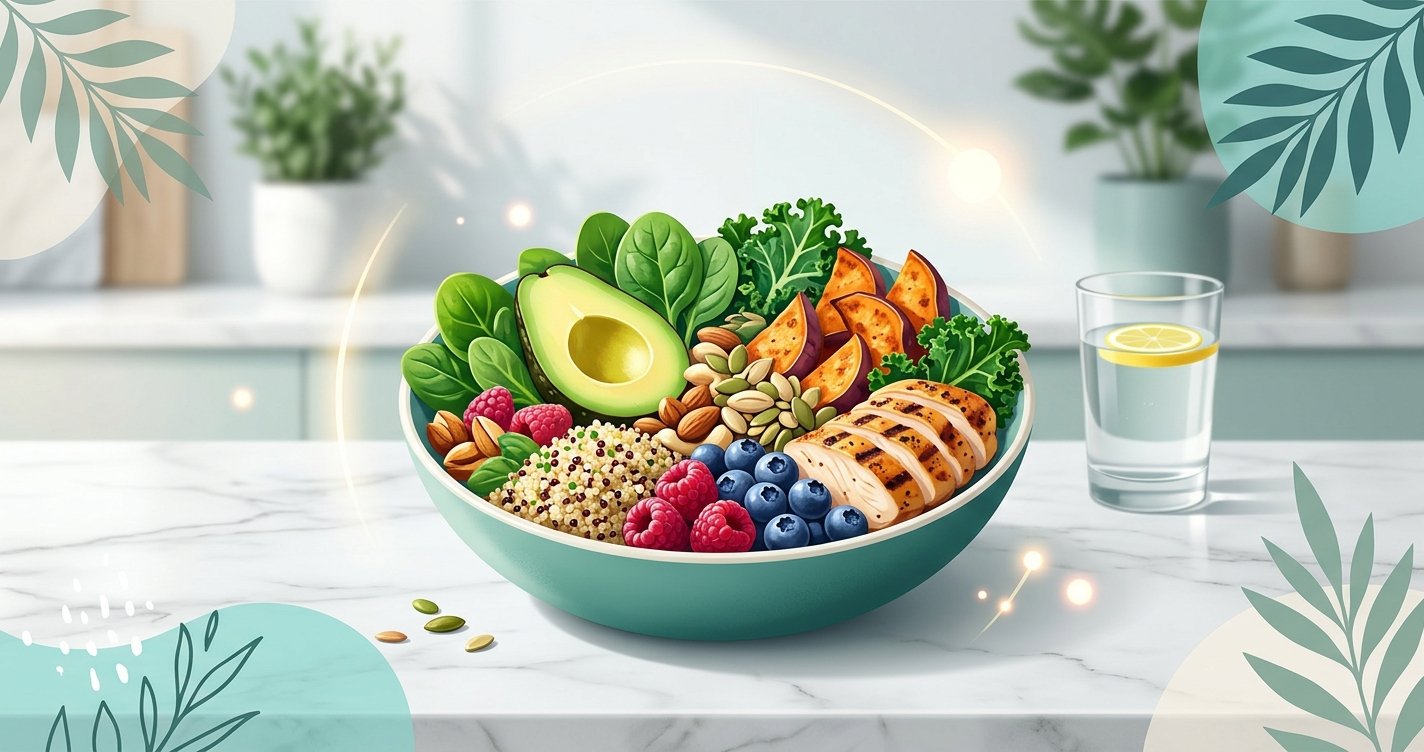
Tired of Yo-Yo Diets? Discover Sustainable Nutrition for Lasting Fat Loss
Let's be honest: the world of fat loss is often cluttered with quick fixes, restrictive diets, and promises that sound too good to be true. You've probably tried a few, seen some initial results, only to find yourself back where you started, or even heavier. It's frustrating, disheartening, and frankly, unnecessary. True, lasting fat loss isn't about deprivation; it's about building sustainable habits that nourish your body and mind. This isn't just about losing weight; it's about transforming your relationship with food and fostering a healthier, happier you for the long haul.
In this guide, we'll dive deep into evidence-based nutrition strategies that promote sustainable fat loss. We'll move beyond the 'eat less, move more' oversimplification and explore how to eat smarter, build muscle, boost your metabolism, and maintain your results without feeling constantly hungry or deprived. Get ready to ditch the diet mentality and embrace a lifestyle that truly supports your fat loss goals and overall well-being. this excellent wellness product
The Non-Negotiable Foundation: Understanding Your Calorie Deficit
At its core, fat loss boils down to one fundamental principle: consuming fewer calories than your body expends. This is known as a calorie deficit. Think of your body as a car; if you put in less fuel than you burn, eventually you'll start using the reserves (stored fat). While it sounds simple, many people get tripped up here by either cutting too drastically (leading to muscle loss and metabolic slowdown) or not accurately tracking their intake.
Your Basal Metabolic Rate (BMR) is the number of calories your body needs to perform basic functions at rest. Your Total Daily Energy Expenditure (TDEE) includes your BMR plus the calories burned through activity. To lose fat, you generally aim for a deficit of 300-500 calories below your TDEE. This creates a gradual, sustainable loss of 1-2 pounds per week, which is ideal for preserving muscle mass and minimizing metabolic adaptation. Tools like online TDEE calculators can give you an estimate, but listening to your body and making small adjustments based on progress is key.
Macronutrients Matter: Fueling Your Body for Fat Loss
While a calorie deficit is essential, the *type* of calories you consume significantly impacts your progress, satiety, and overall health. This is where macronutrients – protein, carbohydrates, and fats – come into play. Balancing these macros correctly can make your fat loss journey much more manageable and effective.
Protein: Your Fat Loss Powerhouse
If there's one macronutrient to prioritize for fat loss, it's protein. Protein is crucial for several reasons:
- Satiety: Protein is incredibly filling, helping you feel fuller for longer and reducing overall calorie intake.
- Muscle Preservation: When you're in a calorie deficit, your body can sometimes break down muscle tissue for energy. Adequate protein intake helps preserve precious muscle mass, which is vital for maintaining a healthy metabolism.
- Thermic Effect of Food (TEF): Protein has a higher TEF than carbs or fats, meaning your body burns more calories digesting and metabolizing it.
Aim for 0.7-1 gram of protein per pound of body weight daily. Excellent sources include lean meats (chicken, turkey, beef), fish, eggs, dairy (Greek yogurt, cottage cheese), legumes, and protein supplements.
Smart Carbs: Energy and Fiber for Sustained Results
Carbohydrates often get a bad rap in the fat loss world, but they are far from the enemy. The key is choosing the *right* carbs. Complex carbohydrates, rich in fiber, provide sustained energy, prevent blood sugar spikes, and contribute to satiety.
- Energy: Carbs are your body's primary fuel source, especially important for powering workouts and maintaining energy levels throughout the day.
- Fiber: Found in whole grains, fruits, and vegetables, fiber aids digestion, promotes gut health, and helps you feel full without adding many calories.
Focus on whole grains (oats, quinoa, brown rice), fruits, and a wide variety of vegetables. Limit refined carbohydrates like white bread, sugary drinks, and highly processed snacks, which offer little nutritional value and can lead to energy crashes.
Healthy Fats: Essential for Hormones and Satiety
Fats are essential for hormone production, nutrient absorption, and overall cell function. While they are calorie-dense, healthy fats play a vital role in keeping you satisfied and supporting your body's processes during fat loss.
Include sources of monounsaturated and polyunsaturated fats in your diet. These include avocados, nuts, seeds (chia, flax, hemp), olive oil, and fatty fish (salmon, mackerel). Remember that a little goes a long way, so practice portion control even with healthy fats.
Practical Strategies for Sustainable Eating Habits
Knowledge about macros is powerful, but applying it consistently is where the magic happens. Here are practical strategies to integrate into your daily life for long-term success.
Prioritize Whole, Unprocessed Foods
This is perhaps the most impactful dietary change you can make. Whole foods – fruits, vegetables, lean proteins, whole grains, nuts, and seeds – are nutrient-dense and generally lower in calories per serving compared to processed alternatives. They contain natural fibers, vitamins, and minerals that support your body's functions and keep you feeling full.
Processed foods, on the other hand, often contain added sugars, unhealthy fats, and artificial ingredients that can sabotage your fat loss efforts and negatively impact your health. By focusing on whole foods, you naturally reduce your intake of empty calories and nourish your body more effectively.
Master Portion Control, Not Deprivation
One of the biggest pitfalls of dieting is feeling deprived. Sustainable fat loss isn't about eating tiny, unsatisfying meals; it's about understanding appropriate portion sizes. You don't need to meticulously weigh everything forever, but initially, it can be helpful to get a sense of what a serving looks like.
Use visual cues: your palm for protein, a cupped hand for carbs, your thumb for fats. Eating slowly, savoring your food, and paying attention to your body's hunger and fullness signals (mindful eating) can also help you naturally regulate your intake without feeling deprived.
Hydration: The Unsung Hero of Fat Loss
Water is often overlooked, but it plays a crucial role in fat loss. Staying adequately hydrated can:
- Boost Metabolism: Water is essential for all metabolic processes.
- Reduce Hunger: Sometimes, thirst is mistaken for hunger. Drinking water before meals can help you feel fuller and eat less.
- Aid Digestion: Water helps your digestive system function optimally.
Aim for at least 8 glasses (around 2 liters) of water daily, and even more if you're active or in a hot climate. Keep a water bottle handy as a visual reminder.
Strategic Snacking and Meal Timing
Whether you eat three large meals or five smaller ones is less important than your total daily calorie and macronutrient intake. Find a meal timing strategy that fits your lifestyle and helps you manage hunger. If you do snack, make it strategic.
Opt for protein-rich or fiber-rich snacks that keep you full and provide nutrients. Examples include Greek yogurt, a piece of fruit with a handful of nuts, hard-boiled eggs, or vegetable sticks with hummus. Avoid mindless snacking on processed items.
Beyond the Plate: Mindset and Consistency for Lasting Change
Sustainable fat loss extends beyond just what you eat; it's deeply intertwined with your mindset and consistency. Crash diets fail not only because they're nutritionally unsound but because they're mentally unsustainable. They foster an 'all or nothing' mentality that leads to guilt and giving up after minor slip-ups.
Embrace flexibility and progress over perfection. Understand that some days will be better than others, and that's perfectly normal. A single 'bad' meal or even a 'bad' day won't derail your entire journey. The key is to get back on track with your healthy habits as soon as possible, without dwelling on past mistakes. Focus on building small, consistent habits that you can maintain indefinitely. Celebrate small victories, learn from setbacks, and be patient with yourself. This is a journey, not a race.
Putting It All Together: Your Path to Lasting Fat Loss
Achieving sustainable fat loss isn't about chasing the latest fad; it's about making informed, consistent choices that nourish your body and support your long-term health goals. By understanding and implementing these sustainable nutrition strategies, you're not just losing weight – you're building a foundation for a healthier, more vibrant life.
Remember these key takeaways:
- Calorie Deficit: The fundamental rule, achieved through smart food choices.
- Protein Priority: Essential for satiety, muscle preservation, and metabolism.
- Smart Carbs & Healthy Fats: Fuel your body and support vital functions.
- Whole Foods First: Maximize nutrients and minimize empty calories.
- Portion Awareness: Eat mindfully, not restrictively.
- Hydration: A simple yet powerful tool for overall health and hunger management.
- Mindset & Consistency: Embrace flexibility, learn from setbacks, and stay positive.
Your journey to lasting fat loss is unique. Start small, implement one or two changes at a time, and build momentum. You have the power to transform your health and achieve the sustainable results you deserve. It’s time to eat smarter, not less, and enjoy the journey to a healthier, happier you!