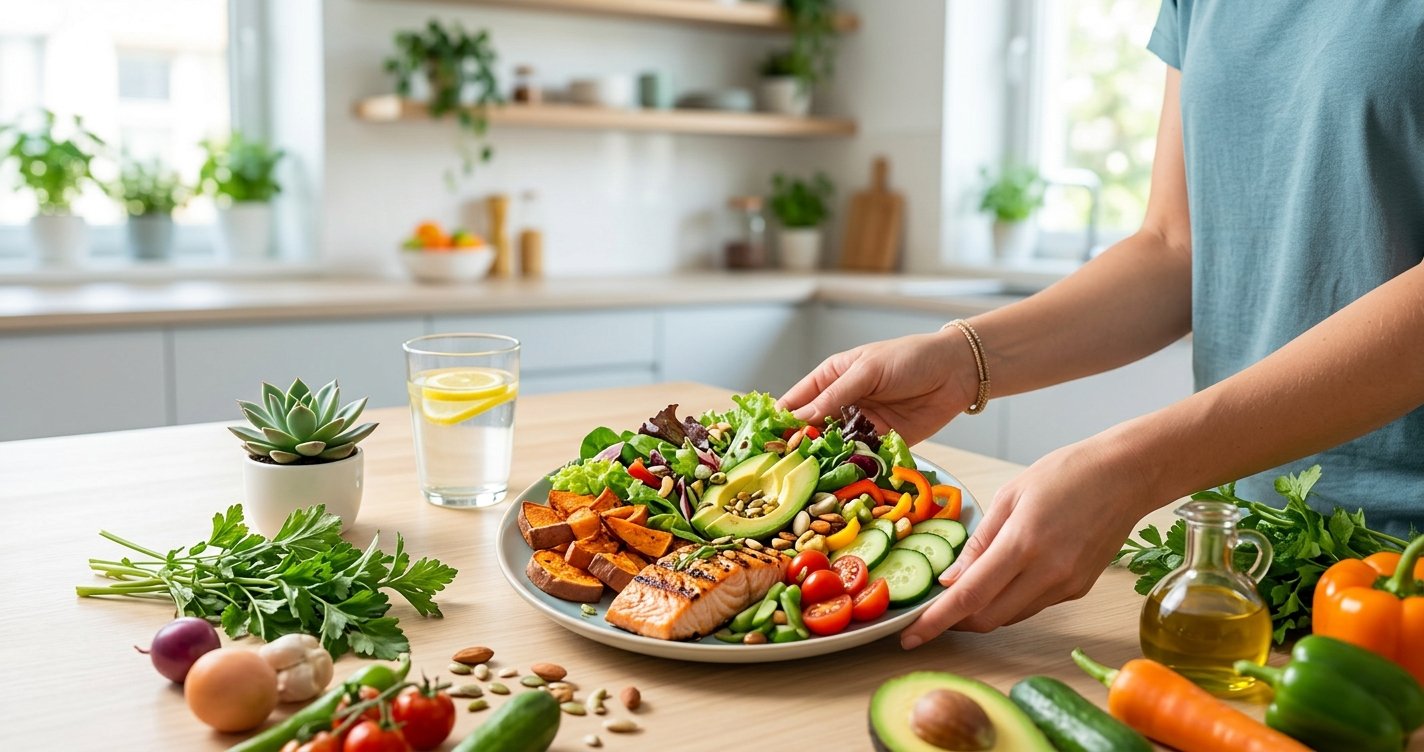
Unlock Sustainable Fat Loss: Your Ultimate Nutrition Guide
Are you tired of the endless cycle of restrictive diets, quick fixes, and the frustration of rebound weight gain? You're not alone. In a world saturated with fleeting diet trends, it’s easy to feel overwhelmed and discouraged. But what if we told you that sustainable fat loss isn't about deprivation, but about intelligent nourishment? It's about empowering yourself with knowledge, making informed choices, and fostering a loving relationship with food.
This isn't another crash diet plan. This is your comprehensive, evidence-based guide to transforming your body and health through smart nutrition, designed to be friendly, encouraging, and most importantly, effective for the long run. We’ll explore how to eat smarter, not less, to achieve lasting fat loss and vibrant well-being. this excellent wellness product
Why Traditional Diets Often Fail (And What to Do Instead)
The Yo-Yo Diet Trap
Many popular diets promise rapid fat loss through severe calorie restriction or eliminating entire food groups. While these might yield initial results, they often lead to the dreaded 'yo-yo effect.' When you drastically cut calories, your body perceives it as starvation and slows your metabolism to conserve energy. This makes it harder to lose weight and easier to regain it once you inevitably return to more normal eating patterns. Beyond the physical toll, the psychological impact of constant restriction, guilt, and failure can be incredibly damaging.
Shifting Your Mindset: From Restriction to Nourishment
The key to breaking free from this cycle is a fundamental shift in mindset. Instead of viewing food as the enemy or a source of guilt, let's embrace it as fuel, pleasure, and a vital component of your health journey. Sustainable fat loss isn't about what you can't eat, but about what you can eat to nourish your body, feel satisfied, and support your goals. This approach focuses on building habits that you can maintain effortlessly for life, leading to consistent progress and genuine well-being.
The Core Pillars of Sustainable Fat Loss Nutrition
Let's dive into the foundational nutritional strategies that will empower your fat loss journey.
Protein Power: Your Satiety Secret Weapon
Protein is arguably the most crucial macronutrient for fat loss. It helps you feel full for longer, reducing overall calorie intake. Furthermore, your body expends more energy digesting protein compared to fats or carbohydrates (the thermic effect of food), subtly boosting your metabolism. Crucially, adequate protein intake helps preserve lean muscle mass during a calorie deficit, which is vital for maintaining a healthy metabolism.
- Actionable Tip: Aim for a protein source at every meal. Think lean meats, fish, eggs, Greek yogurt, cottage cheese, legumes, tofu, or a quality protein supplement.
Fiber-Rich Foods: The Unsung Heroes of Fullness
Fiber, found in plant-based foods, is a non-digestible carbohydrate that plays a huge role in satiety and digestive health. Foods rich in fiber tend to be less calorie-dense, helping you feel full without overeating. Fiber also aids in stabilizing blood sugar levels, preventing energy crashes and cravings, and supports a healthy gut microbiome, which is increasingly linked to weight management.
- Actionable Tip: Load up on fruits, vegetables (especially leafy greens and cruciferous veggies), whole grains (oats, quinoa, brown rice), nuts, and seeds.
Healthy Fats: Fueling Your Body (and Brain)
Despite past misconceptions, healthy fats are essential for hormone production, nutrient absorption, and overall health. While calorie-dense, they contribute significantly to satiety and can prevent overeating of less nutrient-dense foods. The right fats are crucial for brain function, skin health, and reducing inflammation.
- Actionable Tip: Incorporate sources like avocados, nuts (almonds, walnuts), seeds (chia, flax), olive oil, and fatty fish (salmon, mackerel) in moderation. Remember, healthy fats are still calorie-dense, so portion control is key.
Carbohydrates: Friend or Foe? Choosing Smartly
Carbohydrates are your body's primary energy source. The key is distinguishing between highly processed, refined carbohydrates and nutrient-dense, complex carbohydrates. Refined carbs (sugary drinks, white bread, pastries) cause rapid blood sugar spikes and crashes, leading to cravings and fat storage. Complex carbs, rich in fiber, provide sustained energy and essential nutrients.
- Actionable Tip: Prioritize whole grains (brown rice, quinoa, whole-wheat bread), starchy vegetables (sweet potatoes, squash), and legumes. Limit added sugars and highly processed carb sources.
Practical Strategies for Eating Smarter
Knowing what to eat is one thing; putting it into practice is another. Here are some strategies to make smart eating a seamless part of your life.
Mindful Eating: Connecting with Your Hunger Cues
In our fast-paced world, many of us eat distractedly. Mindful eating involves paying attention to your body's hunger and fullness signals, savoring your food, and noticing how it makes you feel. This practice can help you eat less, enjoy your meals more, and develop a healthier relationship with food.
- Actionable Tip: Slow down. Put your fork down between bites. Chew thoroughly. Turn off distractions. Ask yourself: Am I truly hungry? Am I satisfied?
Portion Control: It's Not About Deprivation
Understanding appropriate portion sizes is crucial, but it doesn't mean eating tiny, unsatisfying meals. It's about balancing energy intake with energy expenditure. You can still enjoy your favorite foods; just be mindful of how much you're consuming. Visual cues can be helpful: a serving of protein roughly the size of your palm, a fist-sized portion of complex carbs, and two cupped hands for vegetables.
- Actionable Tip: Use smaller plates. Serve yourself once and wait 10-15 minutes before considering seconds. Listen to your body's satiety signals.
Meal Planning & Prep: Your Blueprint for Success
Failing to plan is planning to fail, especially when it comes to nutrition. Meal planning and preparation remove decision fatigue and reduce the likelihood of impulse, unhealthy choices. Having healthy meals and snacks ready makes sticking to your goals much easier.
- Actionable Tip: Dedicate an hour or two each week to plan your meals and snacks. Prepare ingredients, batch cook staples like grains or proteins, and portion out meals for the week.
Hydration: Often Overlooked, Always Essential
Water is involved in countless bodily functions, including metabolism. Sometimes, thirst can be mistaken for hunger, leading to unnecessary snacking. Staying well-hydrated supports energy levels, aids digestion, and can help you feel fuller.
- Actionable Tip: Aim for 8 glasses (around 2 liters) of water daily. Keep a water bottle handy and sip throughout the day. Drink a glass of water before each meal.
Beyond the Plate: Lifestyle Factors that Support Fat Loss
Nutrition is a massive piece of the puzzle, but it's not the only one. Lifestyle factors play a critical role in your body's ability to burn fat effectively.
Sleep: The Underrated Fat Loss Ally
In our busy lives, sleep often takes a backseat, but it's a non-negotiable for sustainable fat loss. Lack of sleep disrupts hunger-regulating hormones: ghrelin (which increases appetite) and leptin (which signals fullness). It also elevates cortisol, a stress hormone linked to increased belly fat storage.
- Actionable Tip: Prioritize 7-9 hours of quality sleep per night. Establish a consistent sleep schedule and create a relaxing bedtime routine.
Stress Management: Taming Cortisol
Chronic stress, like sleep deprivation, can lead to elevated cortisol levels. High cortisol not only promotes fat storage, particularly in the abdominal area, but also increases cravings for sugary, high-fat comfort foods. Finding healthy ways to manage stress is vital for your overall health and fat loss efforts.
- Actionable Tip: Incorporate stress-reducing activities into your daily routine: meditation, yoga, deep breathing exercises, spending time in nature, or engaging in hobbies you enjoy.
Consistency, Patience, and Self-Compassion are Key
Embarking on a sustainable fat loss journey isn't a race; it's a marathon. There will be good days and challenging days. The most important thing is consistency over perfection. Small, consistent efforts compound over time into significant results. Be patient with yourself, celebrate small victories, and approach any slip-ups with self-compassion, not self-criticism. Learn from them and gently guide yourself back on track.
Your Journey to Sustainable Fat Loss Starts Now
Sustainable fat loss isn't about chasing fleeting trends or punishing yourself with deprivation. It's about empowering yourself with knowledge, embracing whole, nourishing foods, practicing mindful eating, and supporting your body with healthy lifestyle habits. By shifting your focus from restriction to nourishment, you're not just losing weight; you're building a foundation for lifelong health, energy, and confidence. You have the power to transform your health sustainably – one smart, delicious choice at a time.