Introduction: Beyond the "Eat Less" Mantra
For years, the conventional wisdom for fat loss has been a simple, often frustrating directive: "Eat less." While creating a calorie deficit is undeniably a piece of the puzzle, focusing solely on restriction often leads to hunger, nutrient deficiencies, and a cycle of yo-yo dieting that leaves many feeling defeated. What if we told you there's a more empowering, sustainable path? It's not just about how much you eat, but *what* you eat.
Welcome to the world of plate optimization – a friendly, evidence-based approach to fat loss that prioritizes nutrient density, satiety, and long-term health over deprivation. By understanding the power of different food groups and how they interact with your body, you can transform your eating habits, feel satisfied, boost your metabolism, and achieve lasting fat loss without constantly battling hunger or feeling deprived. Let's ditch the restrictive mindset and embrace a smarter way to nourish your body and reach your goals. this excellent wellness product
Why "Beyond Just Calories" Matters for Sustainable Fat Loss
While a calorie deficit is fundamental for fat loss, not all calories are created equal in terms of how your body processes them, how they impact your hunger, or how they contribute to your overall health. Think of it this way: 100 calories from a sugary soda will have a vastly different effect on your blood sugar, satiety, and nutrient intake than 100 calories from a handful of almonds or a serving of lean chicken breast.
Different macronutrients (protein, fats, carbohydrates) require varying amounts of energy to digest and metabolize – this is known as the thermic effect of food (TEF). Protein, for instance, has a much higher TEF than carbohydrates or fats, meaning you burn more calories just by digesting it! Moreover, the composition of your meals significantly influences your satiety levels, blood sugar stability, and hormone regulation. By optimizing your plate, you can naturally reduce overall calorie intake without feeling deprived, support lean muscle mass, and create an internal environment conducive to fat burning.
The Powerhouse Macronutrient: Protein for Fat Loss
If there's one nutrient to prioritize for fat loss, it's protein. Protein is your best friend on this journey for several compelling reasons:
- Satiety Superstar: Protein is incredibly filling. Including a good source of protein at every meal helps you feel fuller for longer, reducing the urge to snack unnecessarily and naturally lowering your overall calorie intake.
- Muscle Preservation: When you're in a calorie deficit, your body can sometimes break down muscle tissue for energy, not just fat. Adequate protein intake helps to preserve precious lean muscle mass, which is crucial because muscle burns more calories at rest than fat does.
- Metabolic Boost (Thermic Effect): As mentioned, protein has the highest thermic effect of food. This means your body expends more energy digesting and absorbing protein compared to fats or carbohydrates, giving your metabolism a slight, consistent boost.
Smart Protein Choices: Lean meats (chicken, turkey, lean beef), fish (salmon, cod, tuna), eggs, dairy (Greek yogurt, cottage cheese), legumes (lentils, beans), tofu, tempeh, and protein powder supplements.
Action Tip: Aim to include a palm-sized portion of protein in every meal and snack.
Fiber: Your Secret Weapon Against Cravings
Often overlooked, dietary fiber is a genuine secret weapon for sustainable fat loss. It's not just about regularity; fiber plays a critical role in managing hunger and blood sugar.
- Enhanced Satiety: Fiber adds bulk to your meals without adding significant calories. It expands in your stomach, signaling fullness to your brain and helping you feel satisfied for longer.
- Blood Sugar Control: Soluble fiber, in particular, slows down the absorption of sugar into your bloodstream. This prevents rapid spikes and crashes in blood sugar, which can lead to energy dips and intense cravings for sugary foods.
- Gut Health: A healthy gut microbiome is increasingly linked to weight management. Fiber acts as prebiotics, feeding the beneficial bacteria in your gut, which can positively influence metabolism and hormone balance.
Fiber-Rich Foods: A rainbow of vegetables (broccoli, spinach, carrots), fruits (berries, apples, pears), whole grains (oats, quinoa, brown rice), and legumes (beans, lentils, chickpeas).
Action Tip: Gradually increase your fiber intake, aiming for at least 25-30 grams per day. Drink plenty of water as you do so!
Don't Fear the Fat: Embracing Healthy Fats for Fat Loss
For decades, fat was demonized as the primary culprit behind weight gain. We now know that healthy fats are not only essential for your body's functions but also play a supportive role in fat loss.
- Hormone Balance: Healthy fats are crucial for the production of hormones, including those involved in appetite regulation and metabolism.
- Nutrient Absorption: Many essential vitamins (A, D, E, K) are fat-soluble, meaning your body needs dietary fat to properly absorb them.
- Sustained Satiety: Like protein, fats are very satiating. A moderate amount of healthy fat in your meals can help keep you full and satisfied, preventing overeating later.
The key is to choose the right types of fats and consume them in moderation, as they are calorie-dense.
Sources of Healthy Fats: Avocados, nuts (almonds, walnuts), seeds (chia, flax, pumpkin), olive oil, fatty fish (salmon, mackerel), and small amounts of dark chocolate.
Action Tip: Incorporate a thumb-sized portion of healthy fats into your meals. Think a drizzle of olive oil, a quarter of an avocado, or a small handful of nuts.
Carbohydrates: The Smart Choice for Sustainable Energy
Carbohydrates often get a bad rap in the fat loss world, but they are your body's preferred source of energy. The trick is to distinguish between 'smart' carbohydrates and those that work against your goals.
- Complex Carbs for Sustained Energy: Focus on complex carbohydrates, which are rich in fiber and release glucose slowly into your bloodstream. This provides a steady energy supply, prevents energy crashes, and helps maintain stable blood sugar levels.
- Nutrient Powerhouses: Whole, unprocessed carbohydrate sources like fruits, vegetables, and whole grains are packed with vitamins, minerals, and antioxidants essential for overall health and metabolic function.
Avoid highly processed, refined carbohydrates (white bread, sugary drinks, pastries) which offer little nutritional value, cause rapid blood sugar spikes, and contribute to cravings and fat storage.
Smart Carb Choices: Whole grains (oats, quinoa, brown rice, whole-wheat bread), starchy vegetables (sweet potatoes, corn, peas), and fruits (berries, apples, bananas).
Action Tip: Prioritize whole, unprocessed carbohydrates. Pair them with protein and healthy fats to further stabilize blood sugar and enhance satiety.
Hydration & Mindful Eating: The Unsung Heroes of Fat Loss
While not a macronutrient, water is vital for every bodily function, including metabolism. Dehydration can often be mistaken for hunger, leading to unnecessary calorie intake. Aim for at least 8 glasses of water a day, more if you're active.
Mindful eating is another powerful tool. It involves paying attention to your food, savoring each bite, and listening to your body's hunger and fullness cues. In our fast-paced world, we often eat distractedly, leading to overconsumption. By slowing down, you give your brain time to register fullness, which can significantly reduce your overall food intake without feeling restrictive.
- Hydration Benefits: Boosts metabolism, aids digestion, reduces false hunger signals, helps flush toxins.
- Mindful Eating Practices: Eat slowly, chew thoroughly, put your fork down between bites, eliminate distractions, stop when you're satisfied (not stuffed).
Putting It All Together: Your Optimized Plate in Practice
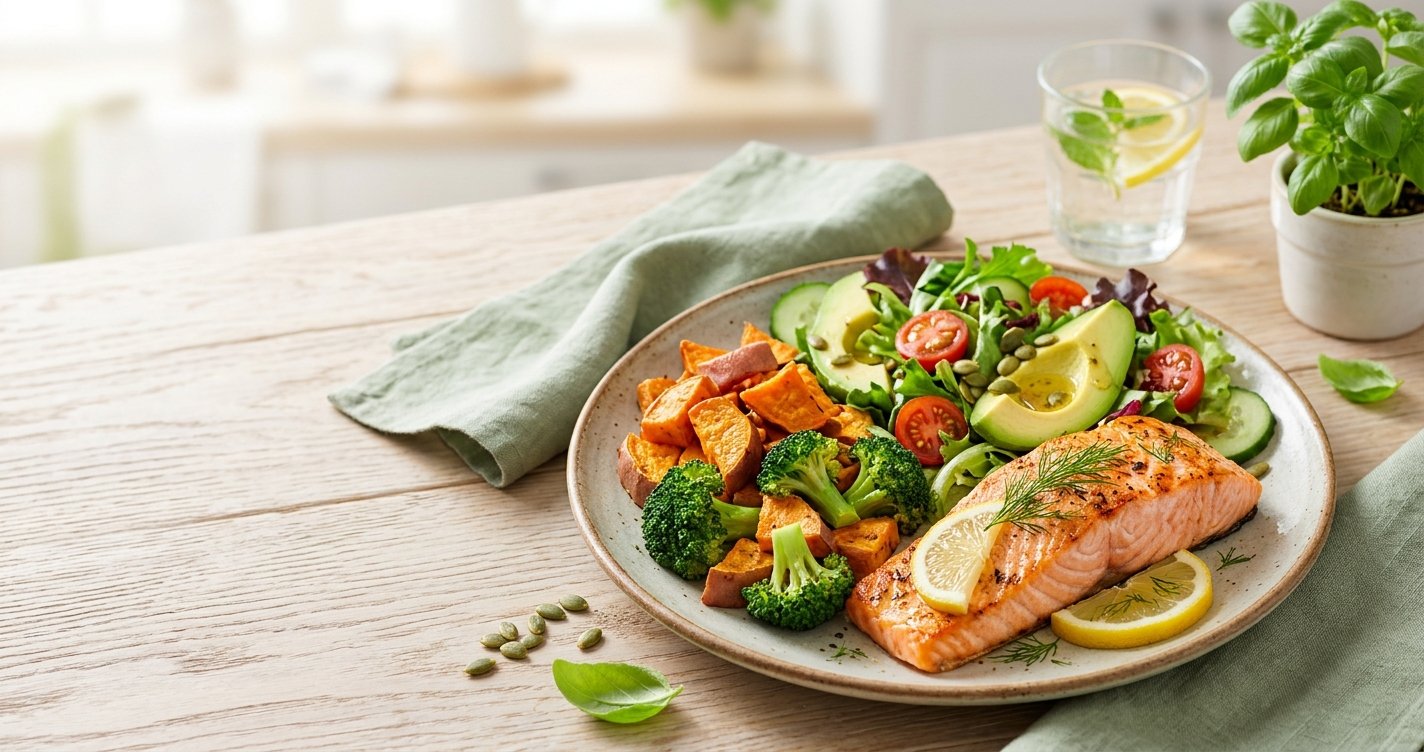
So, how does this look on your plate? Here's a simple, visual guide to optimizing your meals for fat loss:
- Half Your Plate: Fill half of your plate with non-starchy vegetables (think leafy greens, broccoli, peppers, zucchini). They are nutrient-dense, high in fiber, and low in calories.
- A Quarter of Your Plate: Dedicate a quarter to a lean protein source (chicken breast, fish, tofu, beans).
- The Remaining Quarter: Fill this with a smart carbohydrate source (quinoa, sweet potato, brown rice, whole-wheat pasta).
- Don't Forget Healthy Fats: Add a small serving of healthy fats, such as a drizzle of olive oil, a few slices of avocado, or a sprinkle of seeds.
This balanced approach ensures you're getting a rich array of nutrients, fiber, and protein to keep you full, energized, and supporting your fat loss goals. Consistency is key, not perfection. Start by making small, achievable changes, and gradually build healthier habits that last a lifetime.
Conclusion: Embrace a Smarter, Healthier You
Fat loss doesn't have to be a battle against hunger or a constant state of deprivation. By shifting your focus from mere calorie counting to intelligent plate optimization, you empower yourself with the knowledge and tools to eat smarter, not less. Prioritizing protein, fiber, healthy fats, and smart carbohydrates transforms your meals into powerful allies for sustainable fat loss.
This evidence-based approach is friendly, forgiving, and focused on long-term health and well-being. It's about nourishing your body, feeling satisfied, and building a lifestyle that supports your goals naturally. Start today by making one small change to your plate, and watch as these intelligent food choices pave the way for a healthier, happier, and leaner you. Your body will thank you!