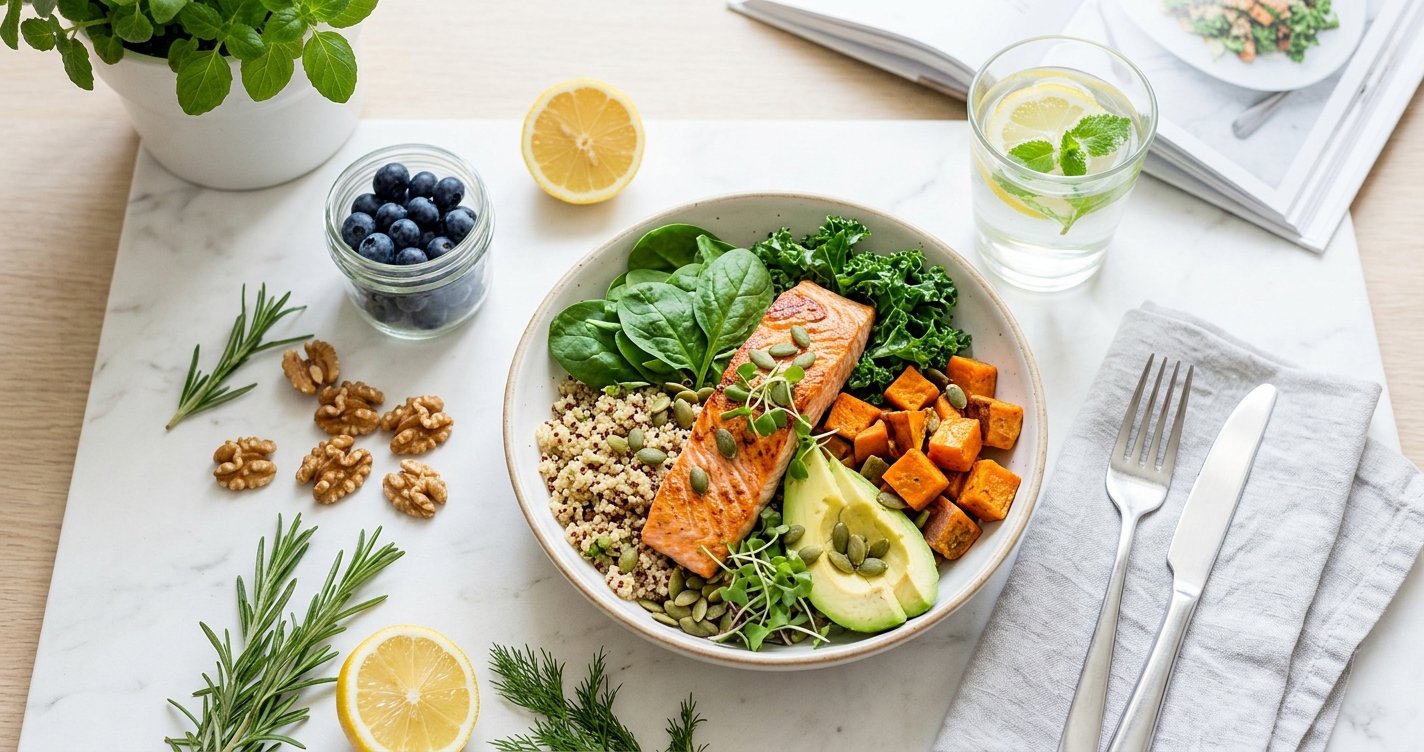
Unlock Sustainable Fat Loss: Your Ultimate Nutrition Guide
Tired of diet fads that promise the moon but deliver only frustration? You're not alone. The world of fat loss can feel overwhelming, with conflicting advice at every turn. But what if we told you that achieving lasting fat loss doesn't have to be about extreme deprivation or complicated rules? It's about understanding fundamental nutrition principles and building sustainable habits that nourish your body and support your goals.
This guide will cut through the noise, offering evidence-based, friendly advice on how to eat smarter, not less, for sustainable fat loss. We'll explore strategies that prioritize your health, energy, and overall well-being, helping you cultivate a healthier relationship with food and your body. Let's dive in! this excellent wellness product
Calorie Deficit: The Non-Negotiable Foundation
At its core, fat loss boils down to one simple, scientific truth: you must consume fewer calories than your body burns. This is known as a calorie deficit. Think of your body as a car; if you want to use the fuel (fat stores) already in the tank, you need to put less new fuel in than you're using. It sounds simple, but it's the most crucial piece of the puzzle.
How to Approach It Smartly:
- Don't Drastically Cut: A moderate deficit (typically 300-500 calories below your maintenance level) is ideal. This allows for steady, sustainable fat loss (around 1-2 pounds per week) without sacrificing energy, muscle mass, or metabolic health.
- Estimate, Don't Obsess: You can estimate your daily calorie needs using online calculators (search for 'TDEE calculator'), but remember these are estimates. Listen to your body and adjust as needed.
- Focus on Nutrient Density: Within your deficit, prioritize foods that offer a lot of nutrients for fewer calories. This means whole, unprocessed foods.
Protein Power: Your Muscle-Sparing, Satiety-Boosting Ally
If there's one macronutrient you should befriend for fat loss, it's protein. Protein plays several vital roles that make it a cornerstone of any successful fat loss strategy:
- Satiety Superstar: Protein is incredibly filling. Including adequate protein in your meals helps you feel fuller for longer, reducing the urge to snack unnecessarily.
- Thermic Effect of Food (TEF): Your body uses more energy to digest and metabolize protein compared to carbs or fats. This means a slightly higher calorie burn just by eating protein!
- Muscle Preservation: When you're in a calorie deficit, there's a risk of losing muscle mass along with fat. Adequate protein intake, especially when combined with strength training, helps preserve that precious muscle, which is key for maintaining a healthy metabolism.
Practical Tips: Aim for 1.6-2.2 grams of protein per kilogram of body weight daily. Think lean meats, poultry, fish, eggs, dairy (Greek yogurt, cottage cheese), legumes, and plant-based protein sources like tofu and tempeh.
Carbohydrates: Fueling Your Body Smartly, Not Starving It
Carbohydrates often get a bad rap in the fat loss world, but they are essential for energy, brain function, and overall health. The key is choosing the right types of carbs and understanding portion sizes.
The Good, The Bad, and The Balanced
- Embrace Complex Carbs: These are your whole grains (oats, brown rice, quinoa), fruits, and vegetables. They are rich in fiber, which aids digestion, promotes satiety, and provides a steady release of energy, preventing blood sugar spikes and crashes.
- Limit Refined Carbs: Highly processed foods like white bread, pastries, sugary drinks, and candies offer little nutritional value and can lead to energy crashes and increased cravings.
- Timing Can Matter (But Total Intake Matters More): While some prefer to consume most of their carbs around workouts, the overall daily intake is more critical for fat loss than strict timing. Find what works for your energy levels and lifestyle.
Healthy Fats: Essential for Hormones and Satiety
Just like carbs, fats have been demonized, but they are crucial for hormone production, nutrient absorption, and overall bodily functions. The trick is to focus on healthy fats and be mindful of portions, as fats are calorie-dense.
- Prioritize Unsaturated Fats: Found in avocados, nuts, seeds, olive oil, and fatty fish (salmon, mackerel), these fats are beneficial for heart health and can contribute to satiety.
- Omega-3s are Key: These essential fatty acids, abundant in fatty fish, flaxseeds, and walnuts, have anti-inflammatory properties and support brain health.
- Avoid Trans Fats: Found in many processed and fried foods, these fats are detrimental to your health and should be avoided.
Portion Control: While healthy, fats are calorie-dense. A small handful of nuts, a quarter of an avocado, or a tablespoon of olive oil can add up quickly. Be mindful of your serving sizes.
Hydration: The Often-Forgotten Fat Loss Friend
Water isn't just for quenching thirst; it's a vital component of every bodily function, including metabolism. Staying well-hydrated can also indirectly support your fat loss efforts.
- Boosts Metabolism: Some research suggests that drinking water can temporarily increase your metabolic rate.
- Curbs Appetite: Sometimes, our bodies confuse thirst with hunger. Drinking a glass of water before meals can help you feel fuller and potentially eat less.
- Supports Energy Levels: Dehydration can lead to fatigue, which might make you less likely to exercise or more prone to reaching for sugary pick-me-ups.
How Much? Aim for at least 2-3 liters (around 8-12 glasses) of water daily, more if you're active or in a hot climate. Keep a water bottle handy as a visual reminder.
Beyond Macros: Mindful Eating and Consistency
While macronutrients (protein, carbs, fats) and calories form the scientific backbone of fat loss, the psychological and behavioral aspects are just as critical for long-term success.
Mindful Eating: Reconnecting with Your Body
In our fast-paced world, many of us eat distractedly, barely noticing what or how much we're consuming. Mindful eating encourages you to pay attention to your food, your body's hunger and fullness cues, and the experience of eating.
- Eat Slowly: It takes about 20 minutes for your brain to register that your stomach is full. Slowing down gives your body time to send these signals.
- Savor Each Bite: Pay attention to the flavors, textures, and aromas of your food. This enhances enjoyment and can lead to greater satisfaction with smaller portions.
- Listen to Your Body: Eat when you're truly hungry, and stop when you're comfortably full, not stuffed.
- Minimize Distractions: Turn off the TV, put away your phone, and focus on your meal.
The Power of Patience and Consistency
Fat loss is rarely a linear journey. There will be plateaus, slip-ups, and weeks where the scale doesn't budge. This is normal. The most successful fat loss journeys are built on consistency, not perfection.
- Embrace Small Changes: Sustainable habits are built gradually. Don't try to overhaul everything at once. Pick one or two strategies from this guide and focus on consistently implementing them.
- Be Kind to Yourself: Acknowledge that progress takes time. Celebrate small victories and learn from setbacks without letting them derail your entire effort.
- Long-Term Vision: Remember, you're not just losing weight; you're building a healthier lifestyle. These nutrition strategies are for life, not just for a season.
Your Path to Sustainable Fat Loss Starts Now
Achieving lasting fat loss isn't about chasing the latest diet trend; it's about adopting a balanced, evidence-based approach to nutrition that you can maintain for the long haul. By focusing on a moderate calorie deficit, prioritizing protein, choosing smart carbs and healthy fats, staying hydrated, and practicing mindful eating, you're setting yourself up for success.
Remember, consistency trumps perfection, and patience is your greatest virtue. Start small, be kind to yourself, and trust the process. You have the power to transform your health and achieve the sustainable fat loss you desire. What small change will you make today?