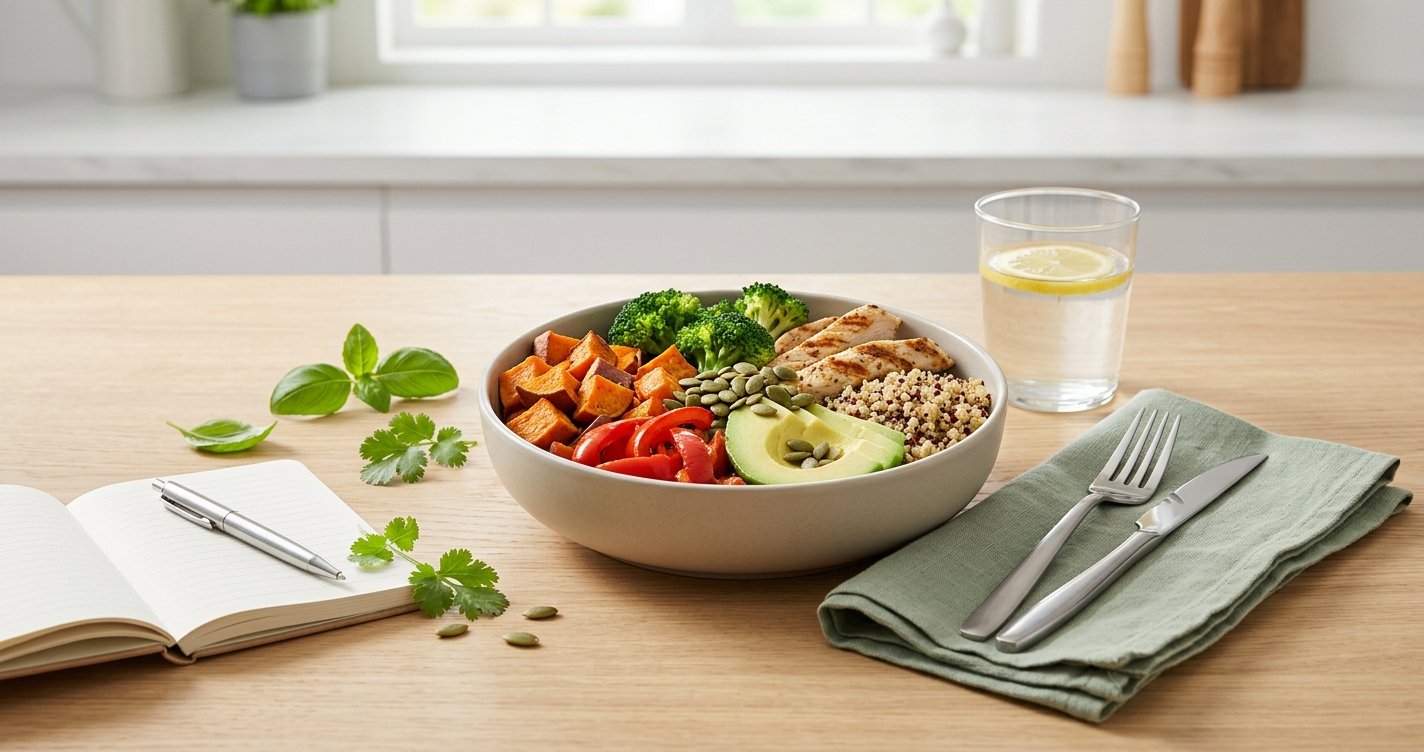
Are you tired of the diet roller coaster? The endless cycle of restriction, quick fixes, and the inevitable rebound? If you’re nodding along, you’re not alone. The truth is, lasting fat loss isn't found in extreme diets or deprivation; it's forged through sustainable nutrition strategies that nourish your body, delight your taste buds, and fit seamlessly into your life. This isn't about dieting; it's about adopting a healthier, happier lifestyle that brings real, lasting results.
Many people approach fat loss with a mindset of scarcity, believing they must starve themselves or cut out entire food groups. While these tactics might yield initial weight loss, they are rarely sustainable and often lead to frustration and regaining lost weight. Instead, let's explore an evidence-based, encouraging path to fat loss that focuses on understanding your body, making smart food choices, and building habits that stick for good. Ready to transform your relationship with food and achieve the healthy body you deserve? this excellent wellness product
The Foundation: Understanding Your Calorie Deficit (Without Starving!)
At its core, fat loss boils down to one fundamental principle: consuming fewer calories than your body expends. This is known as a calorie deficit. But don't let the term scare you! A calorie deficit doesn't mean starvation or extreme restriction; it means finding a moderate, manageable gap between your energy intake and expenditure.
How to Calculate Your Needs (Roughly)
Your Basal Metabolic Rate (BMR) is the number of calories your body burns at rest. Your Total Daily Energy Expenditure (TDEE) includes your BMR plus the calories you burn through daily activities and exercise. Online TDEE calculators can give you a good starting estimate, but remember they are just that – estimates. A healthy, sustainable calorie deficit for most people is typically around 300-500 calories below their TDEE. This allows for steady fat loss (about 1-2 pounds per week) without feeling overly deprived or impacting your energy levels too drastically.
Tracking your food intake for a few days can give you an eye-opening perspective on your current habits. You don't need to track forever, but it can be a valuable tool to understand portion sizes and calorie density, helping you make informed decisions.
Macronutrients Matter: Fueling Your Body for Fat Loss
Once you understand the calorie deficit, the next step is optimizing your macronutrients: protein, carbohydrates, and fats. These aren't just numbers; they are the building blocks that fuel your body, keep you full, and support muscle preservation during fat loss.
-
Protein: Your Satiety Superstar
Protein is incredibly important for fat loss. It's the most satiating macronutrient, meaning it keeps you feeling fuller for longer, which helps reduce overall calorie intake. Furthermore, adequate protein intake is crucial for preserving lean muscle mass while in a calorie deficit. Muscle burns more calories at rest than fat, so maintaining it is key for a healthy metabolism. Aim for lean protein sources like chicken breast, fish, eggs, Greek yogurt, lentils, beans, and tofu.
-
Carbohydrates: Your Energy Source
Often demonized, carbohydrates are essential for energy, brain function, and fiber intake. The key is choosing the right kind. Focus on complex carbohydrates like whole grains (oats, quinoa, brown rice), fruits, and vegetables. These are rich in fiber, which aids digestion, helps regulate blood sugar, and contributes to satiety. Limit refined carbs like white bread, sugary drinks, and pastries, which offer little nutritional value and can lead to energy crashes.
-
Fats: Essential for Health
Healthy fats are vital for hormone production, nutrient absorption, and overall health. They also contribute to satiety. Incorporate sources like avocados, nuts, seeds, olive oil, and fatty fish (salmon). Remember, fats are calorie-dense, so portion control is important, but don't cut them out entirely!
The Power of Whole Foods: Eating Smarter, Not Less
One of the simplest yet most effective strategies for sustainable fat loss is to prioritize whole, unprocessed foods. Think about it: a handful of almonds provides healthy fats, protein, and fiber, keeping you full. A bag of chips, while similar in calories, offers little nutritional value and leaves you craving more.
Focus on filling your plate with:
- Plenty of Vegetables: Non-starchy vegetables (leafy greens, broccoli, bell peppers) are incredibly low in calories and high in nutrients and fiber. Eat them generously!
- Fruits: Nature's candy, packed with vitamins, antioxidants, and fiber. Enjoy them in moderation.
- Lean Proteins: As mentioned, these are your muscle-preserving, hunger-busting allies.
- Whole Grains: For sustained energy and digestive health.
- Healthy Fats: In controlled portions.
By choosing nutrient-dense foods, you'll naturally feel more satisfied on fewer calories, making your calorie deficit much easier to maintain. Hydration is also crucial – sometimes what feels like hunger is actually thirst. Aim for plenty of water throughout the day.
Building Sustainable Habits: Beyond the Plate
Sustainable fat loss isn't just about what you eat; it's about how you eat and the habits you build around food.
-
Mindful Eating
Slow down. Pay attention to your food – its taste, texture, and smell. Chew thoroughly. Listen to your body's hunger and fullness cues. This simple practice can prevent overeating and enhance your enjoyment of food.
-
Portion Control
You don't need to weigh everything, but understanding appropriate portion sizes is vital. Use smaller plates, measure out calorie-dense items like nuts and oils, and learn to eyeball reasonable amounts. Over time, this becomes second nature.
-
Meal Prepping and Planning
"Failing to plan is planning to fail." Preparing healthy meals and snacks in advance can be a game-changer. It reduces the likelihood of impulsive, unhealthy food choices when hunger strikes and you're short on time.
-
Dealing with Cravings and Social Situations
Cravings are normal! Instead of fighting them, acknowledge them. Sometimes a small, planned treat can satisfy a craving without derailing your progress. When dining out, look at menus ahead of time, choose leaner options, and don't be afraid to ask for modifications. Remember the 80/20 rule: aim for healthy choices 80% of the time, and allow for some flexibility the other 20%.
Don't Forget Movement: Your Nutrition's Best Friend
While nutrition is the primary driver for fat loss, incorporating regular physical activity amplifies your results and offers immense health benefits. Exercise helps you burn more calories, which contributes to your deficit, and it's essential for building and maintaining muscle mass.
- Strength Training: Lifting weights (or using your bodyweight) is crucial for preserving and building muscle, which boosts your metabolism. Aim for 2-3 sessions per week.
- Cardio: Activities like walking, jogging, cycling, or swimming are great for burning calories and improving cardiovascular health. Find activities you enjoy!
Remember, you can't out-exercise a poor diet, but combining smart nutrition with consistent movement creates a powerful synergy for sustainable fat loss.
Listening to Your Body: Flexibility and Self-Compassion
The journey to lasting fat loss is not linear. There will be good days and challenging days. The most important tool you can develop is the ability to listen to your body and practice self-compassion. Don't beat yourself up over an imperfect meal or a missed workout. Learn from it, adjust, and move forward.
Sustainable nutrition is about creating a healthy relationship with food, understanding your body's needs, and making choices that support your well-being in the long run. It's a lifestyle change, not a temporary fix. Embrace flexibility, celebrate small victories, and be patient with yourself.
Embrace the Journey to a Healthier You
Achieving sustainable fat loss isn't about rigid rules or quick fixes; it's about empowering yourself with knowledge and building healthy habits one step at a time. By understanding the calorie deficit, prioritizing nutrient-dense whole foods, optimizing your macronutrients, and cultivating mindful eating practices, you're not just losing weight – you're building a foundation for lifelong health and vitality.
This journey requires patience, consistency, and a healthy dose of self-compassion. But with these sustainable nutrition strategies, you have all the tools you need to eat your way to lasting fat loss, feel incredible, and truly enjoy the process. Start today, and discover the power of nourishing your body the smart, sustainable way!