Eat Your Way Lean: Mastering Protein & Calorie Deficit for Sustainable Fat Loss
Are you tired of the endless cycle of restrictive diets, quick fixes, and disappointing results? If you're looking for a sustainable path to fat loss that doesn't involve starvation or deprivation, you've come to the right place. The truth is, achieving lasting fat loss isn't about magic pills or extreme measures; it's about understanding and consistently applying fundamental nutritional principles. And when it comes to effective, evidence-based strategies, two pillars stand taller than the rest: a calorie deficit and adequate protein intake.
This isn't just another diet fad; it's a strategic approach rooted in science, designed to help you shed fat, preserve muscle, and feel fantastic. We're going to dive deep into why these two elements are non-negotiable for sustainable fat loss and how you can integrate them into your daily life in a friendly, manageable way. Get ready to transform your understanding of nutrition and empower yourself on your journey to a leaner, healthier you! this excellent wellness product
The Unshakeable Foundation: Understanding the Calorie Deficit
Let's cut straight to the chase: if you want to lose fat, you must consume fewer calories than your body burns. This is the law of thermodynamics, and it's non-negotiable. It's not always fun to hear, but accepting this fundamental truth is the first step towards real progress.
What Exactly is a Calorie Deficit?
Simply put, a calorie deficit means eating less energy (calories) than your body expends each day. Your body needs a certain amount of energy to perform all its functions – from breathing and thinking to walking and exercising. This total daily energy expenditure (TDEE) is unique to you, influenced by your age, sex, weight, height, and activity level. When you consistently provide less energy than your TDEE, your body is forced to tap into its stored energy reserves, primarily fat, to make up the difference. This is how fat loss occurs.
Why It's Non-Negotiable for Fat Loss
Without a calorie deficit, fat loss simply won't happen. You can eat the 'healthiest' foods in the world, exercise intensely every day, and drink all the water, but if your calorie intake matches or exceeds your expenditure, your body has no reason to burn stored fat. Understanding this principle liberates you from chasing fads and allows you to focus on what truly matters.
How to Approach Your Deficit (The Smart Way)
While calculating your precise TDEE can be complex, you can start by using online calculators as an estimate and then adjust based on your progress. A common recommendation for a sustainable deficit is 300-500 calories below your maintenance level. This allows for steady fat loss (typically 1-2 pounds per week) without creating extreme hunger or metabolic slowdown. The key is to find a deficit that is manageable and sustainable for you, not one that leaves you feeling depleted and irritable.
The Mighty Macronutrient: Why Protein is Your Fat Loss Best Friend
Once you understand the calorie deficit, the next critical piece of the puzzle is protein. Protein isn't just for bodybuilders; it's a powerful ally for anyone looking to lose fat effectively and sustainably.
Satiety Powerhouse: Feeling Full, Longer
One of protein's most significant benefits is its incredible ability to keep you feeling full and satisfied. Compared to carbohydrates and fats, protein has the highest satiety factor. This means that including ample protein in your meals helps reduce hunger pangs and cravings, making it much easier to stick to your calorie deficit without feeling deprived. Think about it: a high-protein breakfast will likely keep you full longer than a sugary pastry, preventing mindless snacking later in the morning.
Muscle Preservation: Protecting Your Metabolism
When you're in a calorie deficit, your body can potentially break down not only fat but also muscle tissue for energy. This is where protein steps in as your protector. Consuming enough protein signals to your body that it needs to preserve its precious muscle mass. Why is muscle so important? Because muscle is metabolically active, meaning it burns more calories at rest than fat does. Preserving muscle helps maintain a higher metabolism, making fat loss more efficient and preventing that dreaded 'skinny-fat' look.
Thermic Effect of Food (TEF): Burning More Calories Just By Eating
Did you know that your body burns calories just to digest and process the food you eat? This is known as the Thermic Effect of Food (TEF). And guess which macronutrient has the highest TEF? You guessed it – protein! Approximately 20-30% of the calories from protein are burned off during digestion, compared to 5-10% for carbs and 0-3% for fats. While it might seem like a small amount, over the course of a day and week, this extra calorie burn can add up, giving you a slight metabolic advantage in your fat loss journey.
Recommended Protein Intake for Fat Loss
For optimal fat loss and muscle preservation, current evidence suggests aiming for 0.7 to 1 gram of protein per pound of your target body weight (or lean body mass) per day. For example, if you weigh 150 pounds, aiming for 105-150 grams of protein daily would be a great target. Distribute this protein evenly across your meals and snacks to maximize satiety and muscle protein synthesis.
Putting It All Together: Practical Strategies for Success
Knowing the 'why' is crucial, but implementing the 'how' is where the magic happens. Here are some practical, friendly strategies to help you master your calorie deficit and boost your protein intake:
Meal Planning & Preparation: Your Secret Weapon
Failing to plan is planning to fail, especially with nutrition. Dedicate some time each week to plan your meals and snacks. This could involve batch cooking chicken breasts, preparing overnight oats, or simply having a list of high-protein, low-calorie options readily available. When healthy options are easy to grab, you're less likely to succumb to less optimal choices out of hunger or convenience.
Smart Food Choices: Prioritizing Nutrient Density
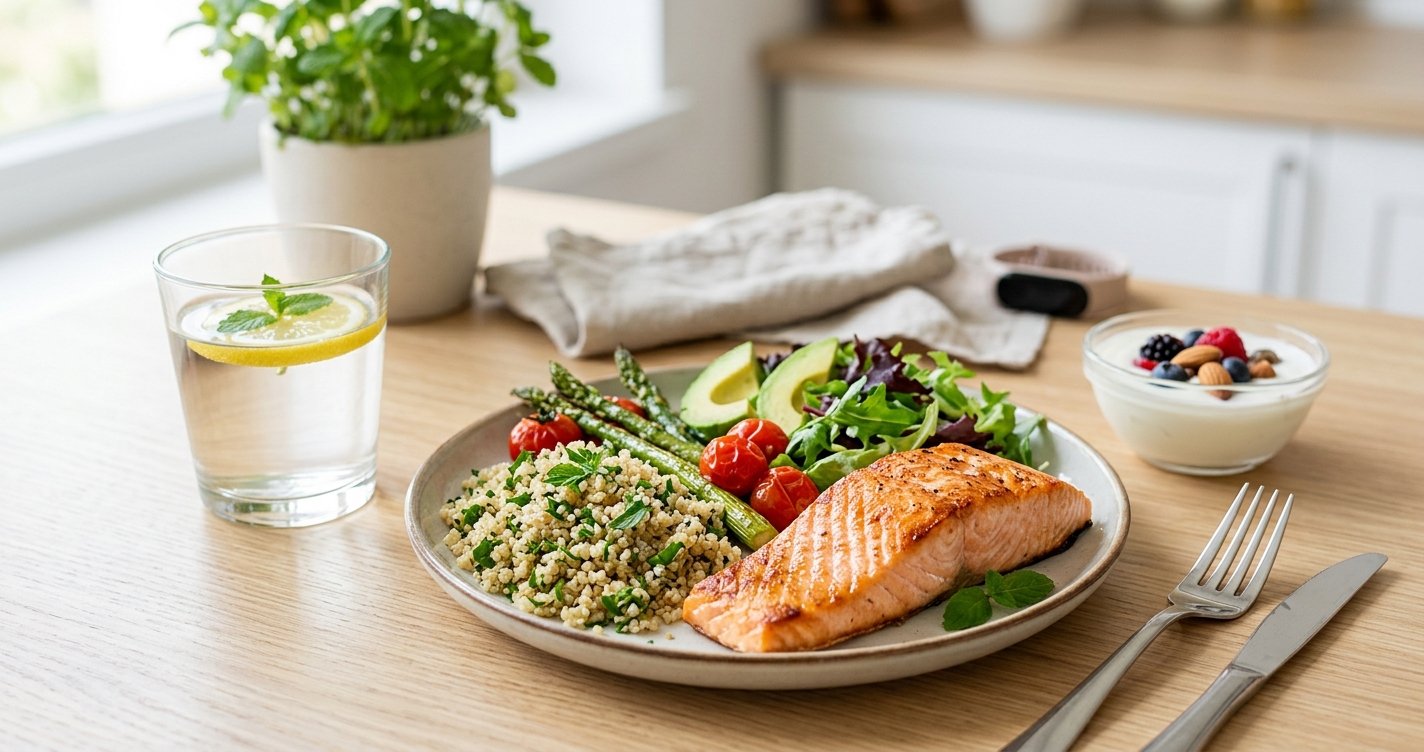
Focus on whole, unprocessed foods that offer a lot of nutritional bang for their caloric buck. Think lean meats (chicken, turkey, fish), eggs, Greek yogurt, cottage cheese, lentils, beans, and tofu for protein. Pair these with plenty of non-starchy vegetables (broccoli, spinach, bell peppers) and some whole grains or fruits for fiber and essential micronutrients. These foods provide volume and nutrients, helping you feel full and nourished within your calorie deficit.
Hydration & Fiber: The Unsung Heroes
Don't underestimate the power of water and fiber. Drinking plenty of water can help with satiety and overall bodily functions. Fiber-rich foods (vegetables, fruits, whole grains, legumes) also contribute to fullness and digestive health, making your fat loss journey smoother and more comfortable.
Beyond the Plate: Lifestyle Factors That Support Fat Loss
While nutrition is king for fat loss, other lifestyle factors play crucial supporting roles. Neglecting them can make your journey much harder.
The Role of Strength Training
While this post focuses on nutrition, it's essential to briefly mention strength training. Incorporating resistance exercises 2-4 times a week is incredibly beneficial. It helps build and preserve muscle mass, which, as we discussed, boosts your metabolism and improves body composition. Plus, it's fantastic for overall health and confidence!
Prioritizing Sleep & Stress Management
Lack of sleep and chronic stress can sabotage your fat loss efforts by disrupting hormones that regulate hunger and fat storage (like ghrelin, leptin, and cortisol). Aim for 7-9 hours of quality sleep per night and find healthy ways to manage stress, whether through meditation, hobbies, or spending time in nature.
Mindful Eating & Listening to Your Body
Practice mindful eating: pay attention to your hunger and fullness cues, eat slowly, and savor your food. This helps prevent overeating and fosters a healthier relationship with food. Listen to your body – it often tells you what it needs if you're willing to pay attention.
Navigating Plateaus and Staying Motivated
It's rarely a straight line down. Plateaus happen, and that's okay. They are a normal part of the process.
When Progress Stalls: What to Do
If your fat loss stalls for a couple of weeks, don't panic. First, re-evaluate your intake: are you accurately tracking calories and protein? Are you consistently hitting your deficit? Sometimes a slight adjustment (e.g., reducing calories by another 100-200, or increasing activity slightly) can restart progress. Other times, a brief 'diet break' (eating at maintenance for a week or two) can help reset your metabolism and mental state.
The Power of Patience & Consistency
Sustainable fat loss is a marathon, not a sprint. There will be good days and challenging days. The most successful people aren't those who are perfect, but those who are consistently imperfect – who get back on track after a slip-up. Celebrate small victories, learn from setbacks, and remind yourself of your 'why.'
Your Journey to Sustainable Fat Loss Starts Now
You now have the knowledge and practical strategies to embark on a truly sustainable fat loss journey. By consistently applying the principles of a calorie deficit and prioritizing protein intake, you're setting yourself up for success that lasts. This isn't about deprivation; it's about empowerment through informed choices.
Remember, be kind to yourself, celebrate your progress, and stay consistent. Small, consistent steps lead to significant, lasting transformations. Start today by making one small change, and watch as you build momentum towards a leaner, healthier, and happier you!