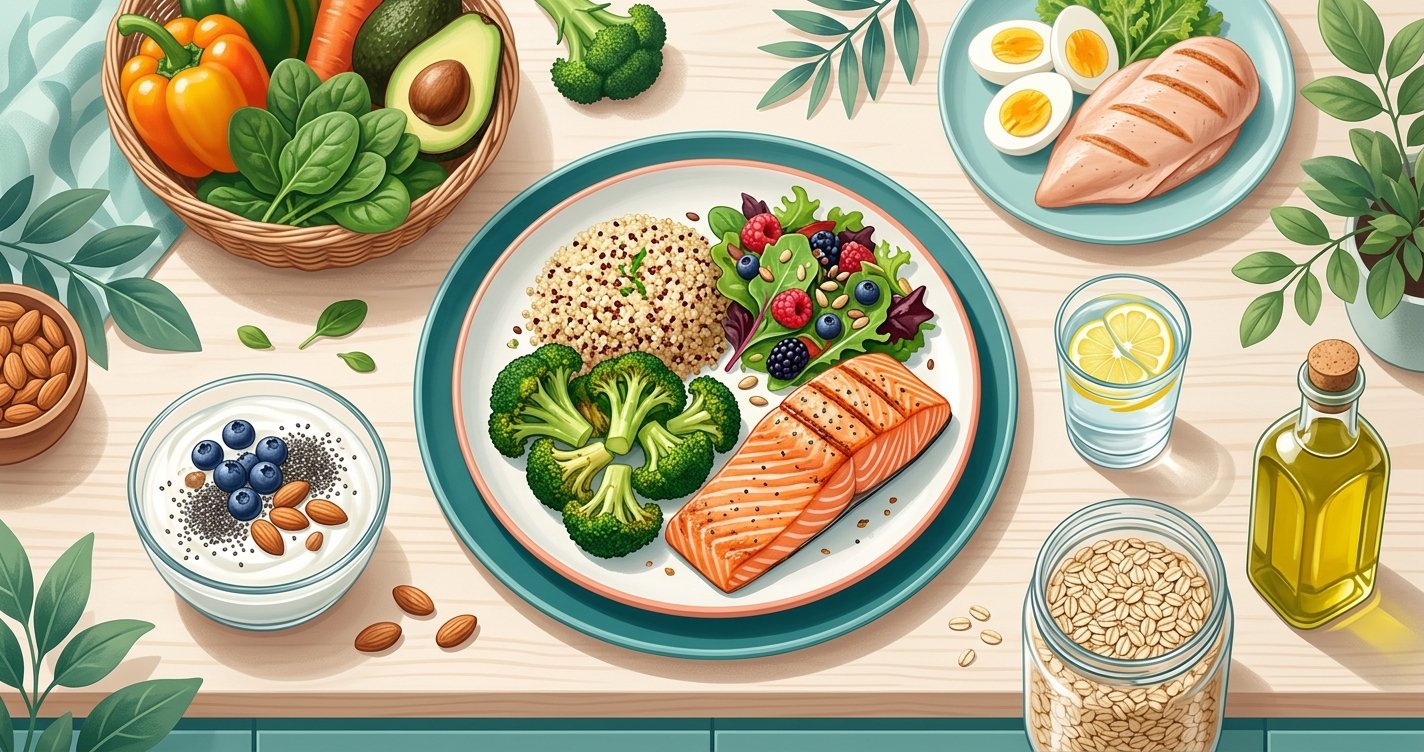
Are you tired of the endless cycle of fad diets, restrictive eating, and confusing advice when it comes to fat loss? You’re not alone! Many people struggle to find a sustainable approach that delivers real results without sacrificing their love for food or their sanity. The good news? Achieving lasting fat loss doesn't have to mean deprivation or complicated meal plans. It’s about understanding the power of nutrition and making smart, evidence-based choices that nourish your body, keep you feeling full, and support your goals.
Forget the quick fixes and extreme cleanses. This post is your friendly, evidence-based guide to mastering nutrition for sustainable fat loss. We’ll dive into how specific nutrients like protein and fiber are your secret weapons, and how making smart choices can transform your body and your relationship with food for good. Let's build a foundation for success, one delicious meal at a time! this excellent wellness product
The Calorie Deficit Cornerstone: Why It Still Matters (But Isn't the Whole Story)
Let's get one thing straight: at its core, fat loss requires a calorie deficit. This simply means you're consuming fewer calories than your body burns. Think of it like a budget: if you spend more than you earn, you go into debt. If you eat more calories than you burn, your body stores the excess as fat. Conversely, if you eat fewer calories than you burn, your body taps into its stored fat for energy.
While the calorie deficit is non-negotiable, focusing *only* on calorie counting can be incredibly restrictive and unsustainable. The quality of those calories, and how they impact your satiety, energy levels, and overall health, plays a massive role in your success. Eating 1500 calories of highly processed junk food will feel very different from 1500 calories of whole, nutrient-dense foods. This is where protein, fiber, and smart food choices come in – they help you achieve that deficit more easily and enjoyably.
Protein Power: Your Best Friend for Fat Loss
If there's one nutrient you should prioritize for fat loss, it's protein. This macronutrient is an absolute superstar, offering multiple benefits that directly support your goals.
The Satiety Superstar
Protein is incredibly satiating, meaning it keeps you feeling fuller for longer compared to carbohydrates or fats. When you feel full and satisfied, you're less likely to snack unnecessarily or overeat at your next meal. This natural appetite suppression is a game-changer for maintaining a calorie deficit without feeling constantly hungry.
Boost Your Metabolism (Thermic Effect of Food)
Did you know that your body burns calories just to digest and process the food you eat? This is called the Thermic Effect of Food (TEF), and protein has the highest TEF of all macronutrients. Roughly 20-30% of the calories from protein are burned during digestion, compared to 5-10% for carbs and 0-3% for fats. This means a higher protein intake gives you a slight metabolic advantage.
Preserve Muscle, Burn Fat
When you're in a calorie deficit, your body can sometimes break down muscle tissue for energy, not just fat. This is detrimental because muscle is metabolically active – it burns more calories at rest than fat does. A higher protein intake helps to preserve your precious muscle mass, ensuring that the weight you lose is primarily fat, not muscle. This maintains your resting metabolism and contributes to a leaner, stronger physique.
Practical Protein Tips:
- Aim High: Target 1.6-2.2 grams of protein per kilogram of body weight (or roughly 0.7-1 gram per pound of goal body weight) daily. Spread your protein intake evenly throughout your meals.
- Lean Sources: Focus on lean protein sources like chicken breast, turkey, fish, lean beef, eggs, Greek yogurt, cottage cheese, tofu, tempeh, and lentils.
- Protein at Every Meal: Make sure each main meal contains a substantial source of protein. Start your day with eggs or Greek yogurt, add chicken or fish to lunch and dinner.
- Smart Snacking: Opt for protein-rich snacks like a handful of almonds, a hard-boiled egg, or a protein shake.
Fiber's Fantastic Role: Fullness, Gut Health, and Fat Loss
Often overlooked, dietary fiber is another unsung hero in your fat loss journey. It's not just for regularity – fiber offers a host of benefits that make achieving and maintaining a healthy weight much easier.
The Satiety and Digestive Dynamo
Like protein, fiber contributes significantly to satiety. Soluble fiber, in particular, forms a gel-like substance in your digestive tract, slowing down digestion and nutrient absorption. This keeps you feeling full for longer and helps stabilize blood sugar levels, preventing those energy crashes and subsequent cravings. Furthermore, fiber adds bulk to your meals without adding many calories, helping you feel satisfied with less.
Beyond fullness, fiber is crucial for a healthy gut microbiome. A diverse and thriving gut can positively influence metabolism, hormone regulation, and even mood, all of which play a role in sustainable fat loss.
Incorporating More Fiber Easily:
- Fruits and Veggies Galore: Load up on non-starchy vegetables like broccoli, spinach, bell peppers, and berries. They are packed with fiber and essential micronutrients.
- Whole Grains Over Refined: Choose whole grains like oats, quinoa, brown rice, and whole-wheat bread over their refined counterparts.
- Legumes Are Your Friends: Beans, lentils, and chickpeas are excellent sources of both fiber and plant-based protein. Add them to soups, salads, or make them a main dish.
- Start Small: If you're not used to a high-fiber diet, increase your intake gradually to avoid digestive discomfort. And remember to drink plenty of water!
Fats: Friend or Foe? Choosing Wisely for Hormonal Balance and Satiety
Fats have a bad rap, but they are absolutely essential for your health and can even aid in fat loss when chosen wisely and consumed in moderation. The key is distinguishing between healthy fats and unhealthy fats.
Essential for Health and Hormones
Healthy fats are crucial for hormone production, nutrient absorption (especially fat-soluble vitamins A, D, E, and K), and provide a concentrated source of energy. They also contribute to satiety, helping you feel satisfied after meals.
Embrace Healthy Fats, Limit Unhealthy Ones:
- Monounsaturated and Polyunsaturated Fats: Found in avocados, nuts (almonds, walnuts), seeds (chia, flax, pumpkin), olive oil, and fatty fish (salmon, mackerel). These support heart health and reduce inflammation.
- Limit Saturated and Trans Fats: Found in processed foods, fried items, and excessive amounts of red meat or full-fat dairy. While some saturated fat is okay, too much can contribute to health issues.
Remember, fats are calorie-dense (9 calories per gram compared to 4 for protein and carbs), so portion control is vital even with healthy fats. A little goes a long way!
Smart Carbohydrate Choices: Fueling Your Body Without Derailing Progress
Carbohydrates are your body's primary energy source, especially important for fueling workouts and brain function. The secret to successful fat loss isn't cutting out carbs entirely, but rather choosing the right types of carbohydrates.
Complex vs. Refined: The Smart Choice
Focus on complex carbohydrates, which are rich in fiber and micronutrients, and provide a steady release of energy. Examples include:
- Whole grains (oats, quinoa, brown rice, whole-wheat bread)
- Starchy vegetables (sweet potatoes, potatoes, corn)
- Fruits (berries, apples, bananas)
Limit refined carbohydrates like white bread, sugary cereals, pastries, and sweetened beverages. These offer little nutritional value, cause rapid spikes and crashes in blood sugar, and contribute to cravings and fat storage.
Timing Can Matter:
While total daily intake is most important, consuming a good portion of your carbohydrates around your workouts can be beneficial. They provide the energy needed for effective training and help replenish glycogen stores afterward.
Beyond Macros: Hydration, Mindful Eating, and Consistency
While protein, fiber, and smart food choices are fundamental, other lifestyle factors significantly impact your fat loss journey.
Water: The Unsung Hero
Staying well-hydrated is crucial. Water helps with metabolism, nutrient transport, and can even suppress appetite. Sometimes, what feels like hunger is actually thirst. Aim for at least 8-10 glasses of water daily, and consider drinking a glass before meals.
Mindful Eating: Savoring Success
Paying attention to your body's hunger and fullness cues can prevent overeating. Eat slowly, chew thoroughly, and put your fork down between bites. Minimize distractions like TV or your phone. Mindful eating helps you enjoy your food more and recognize when you've had enough.
Consistency is King (or Queen)!
Fat loss is a marathon, not a sprint. The most effective strategies are those you can stick with consistently over time. Don't aim for perfection; aim for consistency. A slip-up doesn't derail your entire journey – just get back on track with your next meal.
Building Your Sustainable Fat Loss Plate: A Practical Guide
Bringing it all together, here’s a simple template for building balanced, fat-loss-friendly meals:
- Half Your Plate: Fill half your plate with non-starchy vegetables (broccoli, leafy greens, bell peppers).
- A Quarter of Your Plate: Dedicate a quarter to a lean protein source (chicken, fish, tofu).
- The Other Quarter: Fill the remaining quarter with a complex carbohydrate (sweet potato, quinoa, brown rice).
- Healthy Fats: Add a small serving of healthy fats (a quarter of an avocado, a tablespoon of olive oil, a small handful of nuts).
This template ensures you’re getting ample fiber, protein, and essential nutrients, keeping you full and satisfied while naturally creating a calorie deficit. Remember, flexibility is key – adapt this to your preferences and cultural foods!
Your Journey to Lasting Fat Loss Starts Now!
Sustainable fat loss isn't about extreme diets or deprivation; it's about empowering yourself with knowledge and making smart, consistent nutritional choices. By prioritizing protein and fiber, choosing healthy fats and complex carbohydrates, staying hydrated, and practicing mindful eating, you're not just losing weight – you're building a healthier, stronger, and more vibrant you.
Embrace this journey with patience and self-compassion. Start small, implement one new strategy at a time, and celebrate your progress along the way. Your body will thank you, and you'll discover that eating your way lean can be both delicious and incredibly rewarding. You've got this!