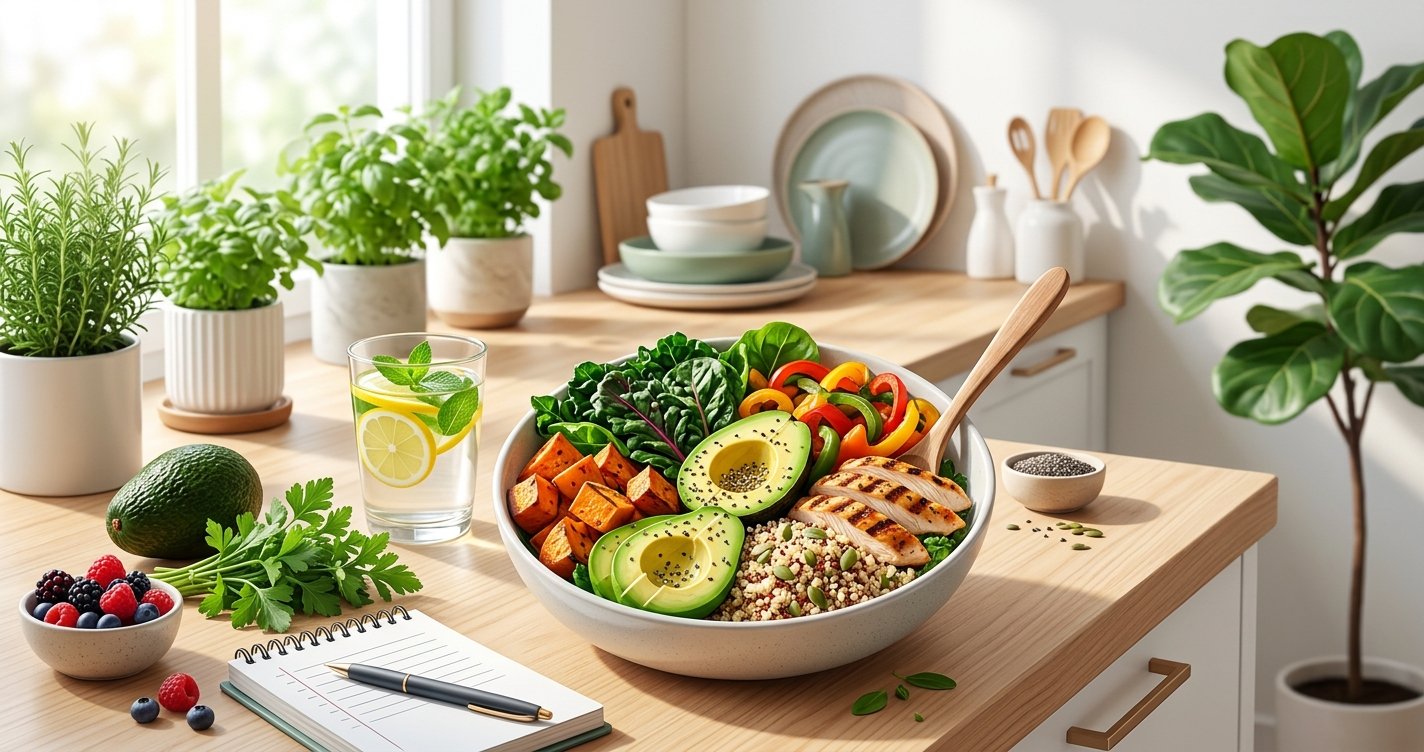
Tired of the endless cycle of restrictive diets, quick fixes, and the frustration of fat loss that just doesn't last? You're not alone. The world of weight loss is often muddled with conflicting advice and unsustainable trends. But what if we told you that achieving your fat loss goals doesn't have to mean deprivation or misery? What if it could be about smart, enjoyable, and evidence-based nutrition that fuels your body and transforms your relationship with food?
Welcome to your ultimate guide to sustainable fat loss through smarter nutrition. We're going to ditch the dieting dogma and dive into practical, science-backed strategies that empower you to eat your way lean, feel fantastic, and maintain your results for the long haul. Get ready to discover how simple, consistent changes can lead to profound and lasting transformation. this excellent wellness product
Why Fad Diets Fail (And What Works Instead)
The Allure of Quick Fixes
It's tempting, isn't it? The promise of shedding pounds rapidly with a magic pill, a detox tea, or a super-restrictive plan that cuts out entire food groups. These fad diets often deliver initial rapid weight loss, primarily due to water loss and muscle glycogen depletion, not significant fat loss. This immediate gratification can be incredibly motivating, but it's rarely sustainable.
The Problem with Restriction and Deprivation
The human body is incredibly resilient, but it's also wired for survival. When you severely restrict calories or cut out essential nutrients, your body perceives this as a threat. This often leads to intense cravings, fatigue, irritability, and eventually, a rebound effect where you regain the lost weight, sometimes even more. This cycle is not only disheartening but can also be detrimental to your metabolism and mental health. Sustainable fat loss isn't about what you can't eat; it's about building a balanced, nourishing diet that you can stick to indefinitely.
The Pillars of Sustainable Fat Loss Nutrition
Forget complex equations and rigid meal plans. Sustainable fat loss is built on a few fundamental, powerful nutrition principles. Let's break them down.
Protein Power: Your Satiety Secret Weapon
If there's one nutrient to prioritize for fat loss, it's protein. Here's why:
- Satiety: Protein is incredibly filling. Including enough protein in your meals helps you feel fuller for longer, reducing overall calorie intake naturally.
- Muscle Preservation: When you're in a calorie deficit, your body can break down muscle tissue for energy. Adequate protein intake helps preserve lean muscle mass, which is crucial for maintaining a healthy metabolism.
- Thermic Effect of Food (TEF): Protein has a higher TEF than carbs or fats, meaning your body burns more calories digesting and metabolizing protein.
Practical Tips: Aim for 20-30 grams of protein at each main meal. Incorporate lean protein sources into every meal and snack.
- Excellent Protein Sources: Lean meats (chicken breast, turkey, lean beef), fish (salmon, tuna, cod), eggs, dairy (Greek yogurt, cottage cheese), legumes (lentils, beans), tofu, tempeh, and protein powder.
Fiber-Rich Foods: The Unsung Hero
Fiber is another powerhouse nutrient often overlooked in the fat loss equation. It plays a vital role in:
- Satiety: Like protein, fiber adds bulk to your meals, making you feel fuller without adding many calories.
- Blood Sugar Control: Soluble fiber slows down the absorption of sugar, preventing blood sugar spikes and crashes that can lead to cravings.
- Gut Health: Fiber feeds beneficial gut bacteria, which can positively influence metabolism and overall health.
Practical Tips: Make fruits, vegetables, and whole grains the stars of your plate. Gradually increase your fiber intake to avoid digestive discomfort.
- Excellent Fiber Sources: Berries, apples, pears, leafy greens, broccoli, carrots, oats, quinoa, brown rice, lentils, chickpeas, chia seeds, flax seeds.
Embrace Whole Foods: Ditch the Processed Noise
This might sound simple, but it's profoundly effective. Prioritizing whole, unprocessed foods means choosing items that are as close to their natural state as possible. Think fresh fruits, vegetables, lean proteins, whole grains, nuts, and seeds. These foods are generally:
- Nutrient-Dense: Packed with vitamins, minerals, and antioxidants your body needs.
- Lower in Calorie Density: You can eat a larger volume of whole foods for fewer calories compared to processed options.
- More Filling: They often contain more fiber and water, contributing to satiety.
Highly processed foods, on the other hand, are often high in added sugars, unhealthy fats, and refined grains, which contribute to excess calorie intake and offer little nutritional value.
Smart Carbs & Healthy Fats: Balance is Key
Carbohydrates and fats have often been demonized, but they are essential macronutrients for energy, hormone production, and nutrient absorption. The key is choosing the right types and quantities.
- Complex Carbohydrates: Focus on whole grains, starchy vegetables, and legumes. These provide sustained energy and fiber, unlike refined carbs (white bread, sugary drinks) that cause rapid blood sugar spikes.
- Healthy Fats: Include sources of monounsaturated and polyunsaturated fats. These are crucial for hormone health, brain function, and nutrient absorption. While calorie-dense, healthy fats contribute to satiety and provide essential fatty acids.
- Good Carb Choices: Oats, quinoa, brown rice, sweet potatoes, whole-wheat pasta, fruits, vegetables.
- Good Fat Choices: Avocados, olive oil, nuts, seeds, fatty fish (salmon, mackerel).
Beyond What You Eat: How You Eat Matters
Nutrition isn't just about the food on your plate; it's also about your relationship with food and your eating habits.
Portion Control: The Art of Mindful Eating
Even the healthiest foods can contribute to weight gain if consumed in excessive portions. Learning to manage portion sizes without meticulous measuring is a powerful skill. Practice mindful eating:
- Listen to Your Body: Eat when you're hungry, stop when you're comfortably full, not stuffed.
- Slow Down: Savor your food. It takes about 20 minutes for your brain to register fullness.
- Visual Cues: Use smaller plates, and pay attention to how much food you're actually serving yourself.
Hydration: Often Overlooked, Always Important
Water is essential for countless bodily functions, including metabolism. Sometimes, what feels like hunger is actually thirst. Staying well-hydrated can:
- Boost Metabolism: Water is critical for metabolic processes.
- Aid Satiety: Drinking water before meals can help you feel fuller.
- Reduce Snacking: Helps distinguish between true hunger and thirst.
Aim for at least 8 glasses of water a day, and more if you're active.
Meal Timing & Frequency: Find What Works for YOU
There's no one-size-fits-all rule for meal timing. Whether you prefer three square meals, five smaller meals, or even intermittent fasting, the most important factor for fat loss is your total daily calorie intake and nutrient quality. Find a schedule that fits your lifestyle, keeps you feeling energized, and helps you adhere to your overall nutritional goals.
Practical Strategies for Long-Term Success
Knowledge is power, but application is where the magic happens. Here are actionable steps to integrate these principles into your daily life.
Prep for Success: Meal Planning & Batch Cooking
Failing to plan is planning to fail, especially when it comes to healthy eating. Dedicate some time each week to:
- Plan Your Meals: Decide what you'll eat for the week, including snacks.
- Grocery Shop Smart: Buy only what's on your list, focusing on whole foods.
- Batch Cook: Prepare large quantities of staples like cooked grains, roasted vegetables, and lean protein sources (chicken, lentils) that can be easily assembled into meals throughout the week.
Learn to Read Labels (The Smart Way)
While prioritizing whole foods, you'll still encounter packaged items. Learn to quickly scan labels for:
- Ingredient List: Prioritize products with short ingredient lists you recognize. Avoid items with excessive added sugars, unhealthy fats, and artificial ingredients.
- Nutritional Information: Pay attention to protein, fiber, and sugar content. Understand serving sizes.
Don't Fear the Occasional Treat (Moderation, not Deprivation)
A sustainable approach to fat loss includes flexibility. Completely forbidding your favorite foods often leads to intense cravings and eventual bingeing. Instead, practice mindful indulgence:
- Plan for Treats: Incorporate small, occasional treats into your week without guilt.
- Portion Control: Enjoy a small portion of your favorite dessert, rather than an entire package.
- Savor the Experience: Truly enjoy the treat without distraction.
Track Your Progress (But Don't Obsess)
Monitoring your progress can be motivating, but it's important to look beyond just the scale. Consider tracking:
- Non-Scale Victories: How your clothes fit, energy levels, mood, strength gains, improved sleep.
- Food Journaling: Briefly noting what you eat can increase awareness and help identify patterns.
- Measurements: Taking body measurements (waist, hips) can show progress even when the scale doesn't budge.
Your Journey Starts Now: Small Steps, Big Results
Embarking on a sustainable fat loss journey isn't about perfection; it's about consistency and progress, not instant results. Don't try to overhaul everything at once. Pick one or two strategies from this guide and focus on implementing them consistently for a week. Once those feel like habits, add another. Small, consistent changes accumulate into massive, lasting results.
Remember, this is your journey to a healthier, happier you. Be patient with yourself, celebrate every small victory, and trust the process. You're building a foundation for lifelong health, not just a temporary fix. You've got this!