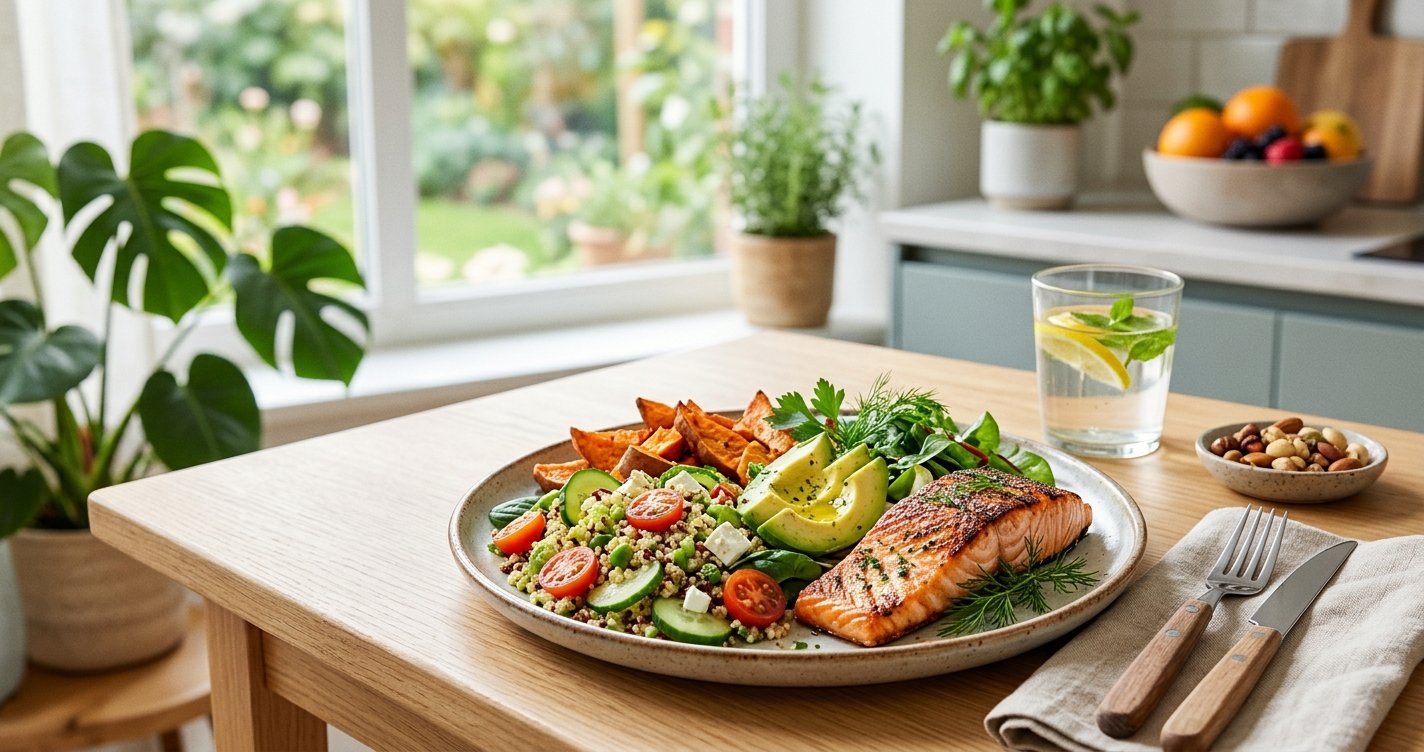
Introduction: Tired of Dieting? Discover Sustainable Fat Loss!
Let's face it: the world of fat loss can feel like a confusing maze filled with quick fixes, restrictive diets, and endless conflicting advice. One week it's keto, the next it's intermittent fasting, then suddenly everyone's counting points. It's enough to make anyone throw their hands up in frustration! If you're tired of the 'diet rollercoaster' – losing weight only to gain it back – then you're in the right place. This isn't about another fad; it's about empowering you with evidence-based, sustainable nutrition strategies that help you achieve lasting fat loss without sacrificing your sanity or your favorite foods.
The Cycle of Restriction and Rebound
Many popular diets promise rapid results by drastically cutting out entire food groups or severely limiting calories. While these approaches might lead to initial weight loss, they often create an unsustainable cycle of deprivation, intense cravings, and eventual rebound weight gain. Our goal is to break free from this cycle by building a healthy, balanced relationship with food that supports your body's needs and your fat loss goals for the long haul. this excellent wellness product
The Foundation: Understanding Energy Balance
At its core, fat loss boils down to one fundamental principle: energy balance. This isn't a new, trendy concept; it's a scientific fact. To lose fat, you need to consume fewer calories than your body burns. This creates a 'calorie deficit,' forcing your body to tap into stored fat for energy.
Why a Calorie Deficit is Non-Negotiable
Think of your body as a car. Calories are like fuel. If you put more fuel in than you burn, the excess gets stored (as fat). If you put in less fuel than you burn, your car has to use its reserves. It's that simple. While hormones, metabolism, and genetics play roles in how efficiently this process works, the calorie deficit remains the primary driver for fat loss.
Estimating Your Daily Needs
Calculating your specific calorie needs can seem daunting, but there are many online calculators (like TDEE calculators) that can give you a good starting estimate based on your age, sex, weight, height, and activity level. Remember, these are just starting points. Listen to your body, track your progress, and adjust your intake as needed. For personalized guidance, consulting a registered dietitian or a certified nutrition coach is always a great idea.
Fueling Your Body Right: Macronutrients for Fat Loss
While a calorie deficit is key, what you eat within that deficit profoundly impacts your success, satiety, energy levels, and overall health. This is where macronutrients – protein, carbohydrates, and fats – come into play.
Protein: Your Fat Loss MVP
- Satiety: Protein is incredibly filling, helping you feel fuller for longer and reducing overall calorie intake.
- Muscle Preservation: When you're in a calorie deficit, your body can lose both fat and muscle. Adequate protein intake helps preserve lean muscle mass, which is crucial because muscle burns more calories at rest than fat does.
- Thermic Effect: Your body expends more energy digesting protein compared to carbs or fats, slightly boosting your metabolism.
Good sources: Lean meats (chicken breast, turkey, lean beef), fish, eggs, dairy (Greek yogurt, cottage cheese), legumes (lentils, beans), tofu, tempeh, protein powder.
Carbohydrates: Not the Enemy!
Carbohydrates have gotten a bad rap in many fad diets, but they are your body's primary and preferred source of energy. The key is choosing the right kind.
- Energy: Carbs fuel your workouts and daily activities.
- Fiber: Whole-food carbs are rich in fiber, which aids digestion, promotes fullness, and helps stabilize blood sugar levels.
- Nutrients: Many carb sources are packed with essential vitamins and minerals.
Focus on complex carbohydrates: Whole grains (oats, brown rice, quinoa, whole-wheat bread), fruits, vegetables, sweet potatoes. Limit refined carbohydrates like white bread, sugary drinks, and pastries, which offer little nutritional value and can lead to energy crashes.
Fats: Essential for Health and Satiety
Dietary fats are crucial for hormone production, nutrient absorption, and overall cell function. They also contribute to satiety and make food taste good!
- Essential Fatty Acids: Your body can't produce these, so you must get them from your diet.
- Satiety: Fats slow down digestion, helping you feel satisfied after meals.
- Vitamin Absorption: Fats are necessary for the absorption of fat-soluble vitamins (A, D, E, K).
Prioritize healthy fats: Avocados, nuts, seeds, olive oil, fatty fish (salmon, mackerel). Be mindful of portion sizes, as fats are calorie-dense.
Beyond Macros: The Power of Food Quality
While macronutrients are important, the quality of your food choices within those categories makes a huge difference. Not all calories are created equal when it comes to satiety, nutrient density, and overall health.
Whole Foods vs. Processed Foods
Choosing whole, unprocessed foods should be a cornerstone of your fat loss strategy. Think about foods in their most natural state:
- Whole Foods: Rich in fiber, vitamins, minerals, and antioxidants. They provide sustained energy, promote fullness, and support overall health. Examples: fresh fruits and vegetables, lean proteins, whole grains.
- Processed Foods: Often high in added sugars, unhealthy fats, and sodium, with fewer nutrients and less fiber. They tend to be less satisfying and can lead to overeating. Examples: sugary cereals, fast food, packaged snacks.
Aim to make whole, minimally processed foods the bulk of your diet.
Hydration: The Unsung Hero
Water is often overlooked in fat loss, but it's vital. Staying well-hydrated supports metabolism, helps with satiety (sometimes thirst is mistaken for hunger), and keeps your body functioning optimally. Aim for at least 8 glasses of water a day, more if you're active.
Practical Strategies for Sustainable Eating
Knowing what to eat is one thing; putting it into practice consistently is another. Here are some actionable strategies to make sustainable fat loss easier.
Portion Control and Mindful Eating
Even healthy foods can lead to weight gain if consumed in excess. Learning appropriate portion sizes is critical. Try:
- Using smaller plates: Visually tricks your brain into thinking you have more food.
- Reading labels: Understand serving sizes for packaged foods.
- Mindful Eating: Slow down, savor your food, pay attention to hunger and fullness cues. Eat without distractions (no TV, phone). This helps you recognize when you're truly satisfied, not just full.
Meal Planning and Preparation
Failing to plan is planning to fail, especially when it comes to nutrition. Dedicate some time each week to:
- Planning your meals: Decide what you'll eat for breakfast, lunch, dinner, and snacks.
- Grocery shopping: Buy only what you need according to your plan.
- Meal prepping: Cook larger batches of protein, grains, and chop vegetables in advance. This saves time during busy weekdays and reduces the temptation to grab unhealthy options.
Smart Snacking and Strategic Indulgence
Snacks can be part of a healthy fat loss plan if chosen wisely. Opt for nutrient-dense options like a piece of fruit with a handful of nuts, Greek yogurt, or vegetable sticks with hummus. And yes, you can still enjoy your favorite treats!
The 80/20 rule is a great guideline: eat nutritiously 80% of the time, and allow for some flexibility and indulgence with the remaining 20%. This prevents feelings of deprivation and makes your plan sustainable long-term.
Overcoming Challenges and Building Habits
Your fat loss journey won't always be a straight line. There will be challenges, plateaus, and moments of temptation. The key is to learn how to navigate them.
Dealing with Cravings and Emotional Eating
Cravings are normal. Instead of fighting them, try to understand them. Are you truly hungry, or is it boredom, stress, or sadness? Practice:
- Distraction: Go for a walk, call a friend, read a book.
- Mindful indulgence: If you decide to give in, have a small portion and truly enjoy it without guilt.
- Stress management: Find healthy ways to cope with stress, like meditation, exercise, or hobbies, instead of turning to food.
Patience and Consistency: The True Secret
Sustainable fat loss takes time. There are no magic pills or overnight transformations. Celebrate small victories, learn from setbacks, and focus on consistency over perfection. Building healthy habits takes repetition and patience.
The Role of Support and Professional Guidance
You don't have to do this alone! Enlisting support from friends, family, or online communities can provide motivation and accountability. If you're struggling, consider working with a registered dietitian or a certified personal trainer. They can offer personalized advice, help you navigate challenges, and ensure your approach is safe and effective for your unique needs.
Your Journey to Lasting Fat Loss Starts Now
Achieving sustainable fat loss isn't about rigid rules or extreme deprivation; it's about making informed, conscious choices that nourish your body and support your well-being. By focusing on energy balance, prioritizing whole foods, embracing mindful eating, and building consistent habits, you can transform your relationship with food and achieve the lasting results you've been searching for.
Remember, this is a journey, not a destination. Be kind to yourself, celebrate your progress, and trust the process. You have the power to create a healthier, happier you – one delicious, nutritious meal at a time!