Unlock Sustainable Fat Loss: Your Evidence-Based Nutrition Guide
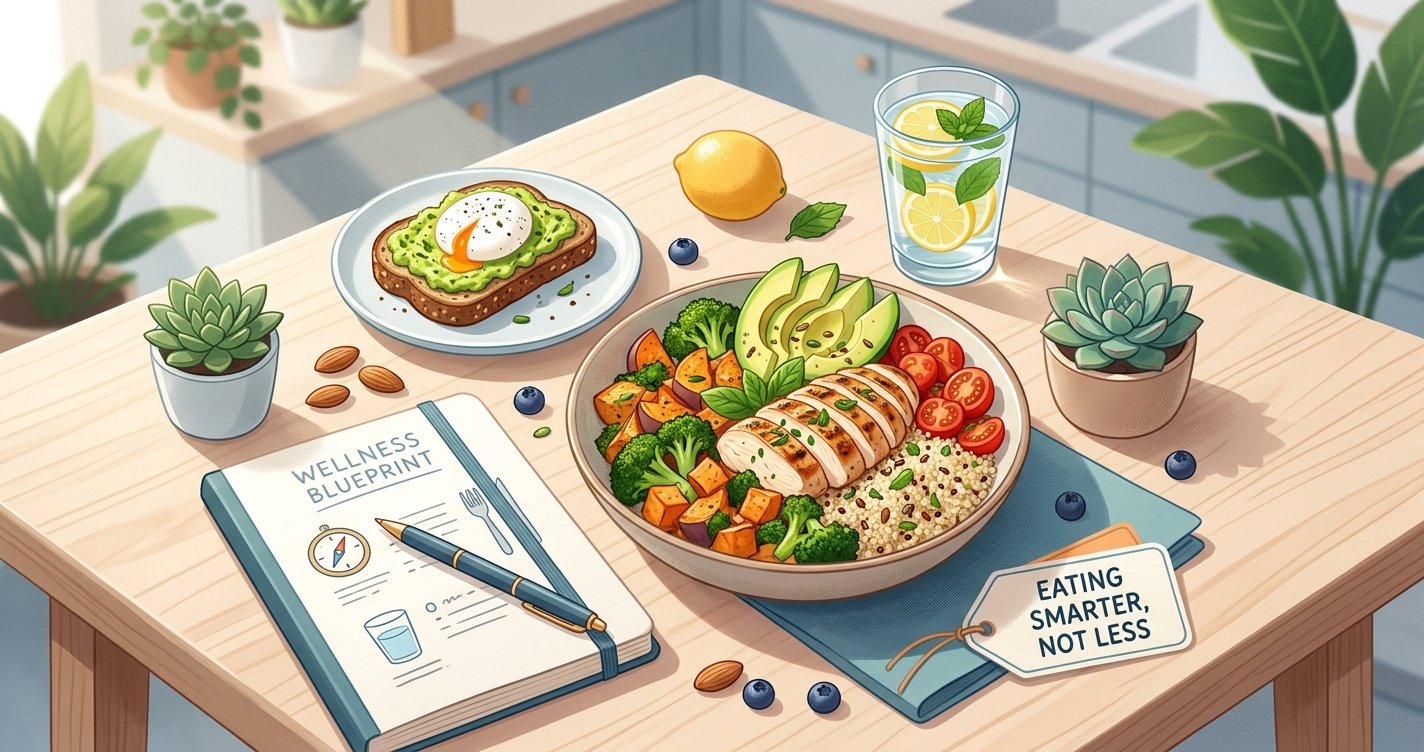
Tired of the diet rollercoaster? The endless cycle of restriction, quick fixes, and inevitable rebounds? You're not alone. In a world overflowing with conflicting advice, it's easy to feel lost when it comes to fat loss. But what if we told you that achieving your fat loss goals doesn't have to mean drastic deprivation or complicated meal plans? What if it's about eating smarter, not less, and building habits that last a lifetime?
This isn't another fad diet pitch. This is an evidence-based, friendly, and encouraging guide designed to demystify nutrition for sustainable fat loss. We'll explore practical, science-backed strategies that empower you to make informed choices, nourish your body, and achieve lasting results without sacrificing your love for food. Ready to transform your relationship with eating and finally achieve your health and fitness goals? Let's dive in! this excellent wellness product
Understanding the Basics: It's About Energy Balance
At its core, fat loss boils down to a fundamental principle: energy balance. To lose fat, you need to consume slightly fewer calories than your body expends. This creates a 'calorie deficit'. Think of calories as units of energy; if you consistently provide your body with less energy than it needs to perform all its functions (breathing, digesting, moving, exercising), it will start tapping into its stored energy – your body fat – to make up the difference.
But don't let the term 'calorie deficit' scare you into extreme restriction. The goal isn't to starve yourself; it's to create a modest, sustainable deficit that your body can adapt to comfortably. This is where 'eating smarter' truly comes into play. By focusing on nutrient-dense foods, you can feel full and satisfied while still achieving that crucial energy balance.
The Power of Protein: Your Fat Loss Ally
If there's one macronutrient that deserves a spotlight in your fat loss journey, it's protein. Protein is an absolute game-changer for several reasons:
- Satiety: Protein is incredibly filling. Including adequate protein at each meal helps you feel fuller for longer, reducing the likelihood of overeating and snacking on less nutritious options.
- Muscle Preservation: When you're in a calorie deficit, your body might try to break down muscle tissue for energy, not just fat. A higher protein intake signals to your body to preserve precious muscle mass, which is vital for maintaining a healthy metabolism.
- Thermogenic Effect: Protein has a higher thermic effect of food (TEF) than carbs or fats. This means your body expends more energy (burns more calories) to digest and metabolize protein.
Aim to include a lean protein source in every meal. Think chicken breast, fish, lean beef, eggs, Greek yogurt, tofu, lentils, or protein powder.
Fiber Up: The Unsung Hero of Satiety and Gut Health
Fiber is another powerhouse nutrient that often gets overlooked. Found abundantly in fruits, vegetables, whole grains, legumes, and nuts, fiber plays a critical role in sustainable fat loss:
- Increased Satiety: Like protein, fiber adds bulk to your meals, making you feel full and satisfied without adding many calories. Soluble fiber, in particular, forms a gel-like substance in your gut, slowing digestion and nutrient absorption.
- Blood Sugar Control: Fiber helps to stabilize blood sugar levels, preventing the sharp spikes and crashes that can lead to cravings and energy slumps.
- Digestive Health: A healthy gut is a happy gut, and fiber is essential for promoting regular bowel movements and supporting a diverse gut microbiome, which has emerging links to weight management.
Load up your plate with colorful vegetables at every meal, snack on fruit, choose whole grains over refined ones, and incorporate legumes like beans and lentils into your diet.
Smart Carb & Healthy Fat Choices: Fueling Your Body Right
Carbohydrates and fats often get a bad rap, but they are essential for energy, hormone production, and overall health. The key is making smart choices:
- Complex Carbohydrates: These are your friends! Think oats, brown rice, quinoa, sweet potatoes, and whole-grain bread. They provide sustained energy, are rich in fiber, and help fuel your workouts. Limit highly processed, refined carbs like sugary drinks, white bread, and pastries, which offer little nutritional value and can lead to energy crashes.
- Healthy Fats: Don't fear fats! Healthy fats are crucial for hormone production, nutrient absorption, and satiety. Incorporate sources like avocados, nuts, seeds, olive oil, and fatty fish (salmon, mackerel) in moderation. These fats are calorie-dense, so portion control is important, but they are vital for overall well-being and can help you feel satisfied after meals.
Balance is key. Aim for a plate that includes a good source of protein, plenty of non-starchy vegetables, a serving of complex carbohydrates, and a small amount of healthy fats.
Hydration Hacks: Don't Forget the Water!
It sounds simple, but staying adequately hydrated is a surprisingly powerful tool in your fat loss arsenal. Water plays numerous roles:
- Satiety: Sometimes, thirst can be mistaken for hunger. Drinking a glass of water before meals can help you feel fuller and potentially reduce your overall food intake.
- Metabolism: Water is crucial for countless metabolic processes in your body. Even mild dehydration can slow down your metabolism.
- Energy Levels: Staying hydrated helps maintain energy levels, which can boost your motivation for physical activity and prevent fatigue-induced snacking.
Aim for at least 8 glasses of water a day, and even more if you're active or in a warm climate. Keep a water bottle handy as a visual reminder!
Mindful Eating: Beyond What's On Your Plate
Sustainable fat loss isn't just about what you eat, but also how you eat. Mindful eating practices can profoundly impact your results:
- Listen to Your Body: Pay attention to your hunger and fullness cues. Eat when you're truly hungry, and stop when you're comfortably full, not stuffed.
- Slow Down: Eating quickly can lead to overeating because it takes time for your brain to register fullness. Savor each bite, chew thoroughly, and put your fork down between mouthfuls.
- Minimize Distractions: Avoid eating in front of the TV, computer, or phone. Focus on your meal – the flavors, textures, and aromas. This enhances enjoyment and helps you recognize satiety signals.
- Identify Triggers: Are you eating out of boredom, stress, or emotion? Becoming aware of these triggers allows you to address the root cause rather than reaching for food unnecessarily.
Mindful eating fosters a healthier relationship with food, shifting from restrictive thinking to intuitive nourishment.
Consistency Over Perfection: Building Lasting Habits
The biggest secret to sustainable fat loss isn't a magic pill or a crash diet; it's consistency. You don't need to be perfect every day. Life happens – there will be birthdays, holidays, and days when your healthy eating efforts aren't 100%. The key is to get back on track with your healthy habits as soon as possible.
Focus on making small, manageable changes that you can stick with long-term. Instead of overhauling your entire diet overnight, try incorporating one new healthy habit each week or month. These small wins accumulate into significant, lasting results.
Your Journey to Lasting Fat Loss Starts Now!
Sustainable fat loss is a journey, not a destination. By focusing on nutrient-dense foods, prioritizing protein and fiber, making smart carb and fat choices, staying hydrated, and practicing mindful eating, you're not just losing weight – you're building a foundation for lifelong health and well-being.
Remember, this is about nourishing your body, feeling energized, and enjoying the process. Be patient with yourself, celebrate your progress, and trust in the power of consistent, evidence-based nutrition. You have the power to transform your health, one smart choice at a time. What small, positive nutrition change will you make today?