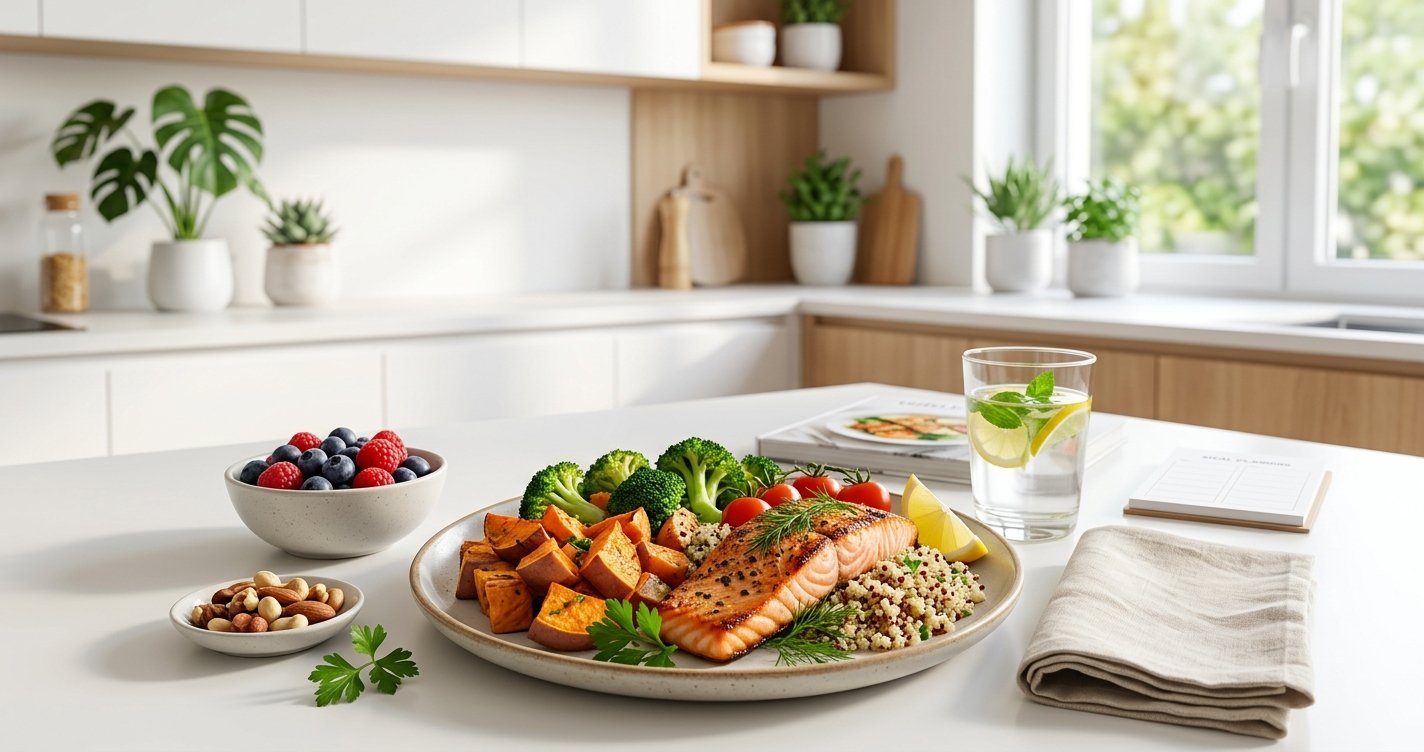
Are you tired of restrictive diets, endless hunger, and the frustrating cycle of losing weight only to gain it back? You're not alone. The world of fat loss is often cluttered with quick fixes, fad diets, and confusing advice that leaves many feeling defeated. But what if we told you that achieving sustainable fat loss isn't about deprivation, but about smart, strategic nutrition choices? It's about 'eating smarter, not less.'
This comprehensive guide is designed to cut through the noise, offering you an evidence-based, friendly, and encouraging roadmap to transforming your body and relationship with food. We'll dive into the core principles of fat loss nutrition, focusing on strategies that are not only effective but also enjoyable and sustainable for the long haul. Get ready to nourish your body, fuel your goals, and unlock lasting results! this excellent wellness product
Understanding the Basics: Calorie Deficit is King (But Not the Only King)
Let's start with the fundamental truth of fat loss: you must consume fewer calories than your body expends. This is known as a 'calorie deficit.' Think of your body as a car and calories as fuel. If you put less fuel in than you burn, your car will eventually run out. Similarly, if you consistently eat less energy than your body needs, it will start to tap into its stored energy reserves – primarily fat.
The Energy Balance Equation Explained
Your Total Daily Energy Expenditure (TDEE) is the total number of calories your body burns in a day, including:
- Basal Metabolic Rate (BMR): Calories burned at rest to maintain basic bodily functions.
- Thermic Effect of Food (TEF): Calories burned digesting and absorbing food.
- Non-Exercise Activity Thermogenesis (NEAT): Calories burned through daily activities outside of structured exercise (walking, fidgeting, cleaning).
- Exercise Activity Thermogenesis (EAT): Calories burned during intentional physical activity.
While creating a deficit is crucial, the *quality* of those calories matters immensely for satiety, nutrient intake, and overall well-being. A calorie from a sugary drink is not the same as a calorie from lean protein, even if the number is identical.
Prioritize Protein: Your Satiety & Muscle Ally
If there's one macronutrient to prioritize for fat loss, it's protein. Protein is an absolute powerhouse when you're aiming to shed body fat.
Why Protein is Your Fat Loss MVP
- Increased Satiety: Protein is incredibly filling. Eating adequate protein helps you feel fuller for longer, reducing cravings and overall calorie intake. Studies consistently show that high-protein diets lead to greater satiety compared to lower-protein diets.
- Higher Thermic Effect: Your body burns more calories digesting protein than it does fats or carbohydrates. This means you're effectively burning a little extra just by eating it!
- Muscle Preservation: When you're in a calorie deficit, there's a risk of losing not just fat, but also precious muscle mass. Protein is essential for repairing and building muscle tissue. Maintaining muscle is vital because muscle burns more calories at rest than fat, supporting your metabolism.
Practical Tip: Aim for 0.7-1 gram of protein per pound of your target body weight daily. Include a source of lean protein (chicken breast, fish, tofu, lentils, Greek yogurt, eggs) with every meal.
Embrace Fiber-Rich Carbs: Fuel for Your Journey
Carbohydrates often get a bad rap in the fat loss world, but they are essential for energy, brain function, and overall health. The key is choosing the right kind of carbs.
Smart Carb Choices for Sustained Energy
Focus on complex carbohydrates rich in fiber, and limit highly refined, sugary carbs. Fiber plays a critical role in fat loss:
- Enhanced Satiety: Fiber adds bulk to your meals, helping you feel full and satisfied without adding many calories.
- Blood Sugar Control: Fiber slows down the absorption of sugar into your bloodstream, preventing spikes and crashes that can lead to cravings and energy slumps.
- Gut Health: A healthy gut microbiome is increasingly linked to overall health and metabolism. Fiber feeds beneficial gut bacteria.
Practical Tip: Opt for whole grains (oats, quinoa, brown rice, whole-wheat bread), fruits (berries, apples, bananas), and a wide variety of vegetables (broccoli, spinach, sweet potatoes, bell peppers). These choices provide sustained energy and a wealth of micronutrients.
Healthy Fats: Don't Fear the Fat (Just Choose Wisely)
For decades, fat was demonized, but we now know that healthy fats are crucial for hormone production, nutrient absorption, and overall bodily function. They also contribute to satiety.
The Good, The Bad, and The Essential Fats
- Monounsaturated and Polyunsaturated Fats: These are your friends! Found in avocados, nuts, seeds, olive oil, and fatty fish (like salmon), they support heart health, brain function, and can help reduce inflammation.
- Saturated Fats: Found in animal products and some processed foods. Consume in moderation.
- Trans Fats: Found in many processed and fried foods. Avoid these entirely, as they offer no health benefits and can be detrimental to cardiovascular health.
Practical Tip: While healthy fats are good, they are calorie-dense. A little goes a long way. Use them sparingly but consistently to reap their benefits without overshooting your calorie goals.
Hydration and Micronutrients: The Unsung Heroes
Beyond the macronutrients (protein, carbs, fats), two other elements are fundamental for effective and healthy fat loss:
Beyond Macros: Water and Micronutrients Matter
- Water: Often overlooked, water is vital for metabolic processes, nutrient transport, and even plays a role in satiety. Sometimes, thirst can be mistaken for hunger. Staying well-hydrated can help manage appetite and keep your body functioning optimally. Aim for 8-10 glasses of water daily, more if you're active.
- Micronutrients: Vitamins and minerals (micronutrients) don't provide calories but are essential for hundreds of bodily functions, including energy production, hormone regulation, and immune health. A diet rich in whole, unprocessed foods naturally provides a broad spectrum of micronutrients. Focusing on variety in your fruit and vegetable intake ensures you're getting what you need.
Practical Strategies for Sustainable Success
Knowledge is power, but application is key. Here are actionable strategies to integrate these principles into your daily life:
Meal Planning & Prep: Your Secret Weapon
Failing to plan is planning to fail, especially in nutrition. Dedicate some time each week to plan your meals and snacks. Prepare ingredients or entire meals in advance. This reduces decision fatigue, minimizes impulsive unhealthy choices, and ensures you have nutritious options readily available when hunger strikes.
Mindful Eating: Tune into Your Body's Signals
Slow down when you eat. Pay attention to your hunger and fullness cues. Are you truly hungry, or are you eating out of boredom, stress, or habit? Eating mindfully helps you recognize when you're satisfied, preventing overeating and fostering a healthier relationship with food.
Consistency Over Perfection: The Long Game
Sustainable fat loss isn't about being perfect; it's about being consistent. Don't let a single 'off' meal or day derail your progress. Acknowledge it, learn from it, and get back on track with your next meal. Small, consistent efforts compound over time into significant results.
Putting It All Together: Your Personalized Plan
There's no one-size-fits-all diet, but these evidence-based principles form a robust foundation. Start by making small, manageable changes. Perhaps focus on adding more protein to each meal, or swapping refined grains for whole grains. Track your food intake for a few days to get an honest assessment of your current eating habits. Listen to your body, experiment, and find what works best for your lifestyle and preferences.
Remember, this is a journey towards better health and a more confident you. Celebrate small victories, be patient with yourself, and don't hesitate to seek guidance from a registered dietitian or nutritionist if you need personalized support.
Conclusion: Empower Your Journey
Sustainable fat loss is within your reach, and it doesn't require extreme measures. By focusing on smart, strategic nutrition – prioritizing protein, embracing fiber-rich carbs, incorporating healthy fats, and staying hydrated – you can nourish your body, manage your appetite, and build habits that support long-term success. It's about 'eating smarter, not less,' and empowering yourself with the knowledge to make informed choices that truly serve your health goals. Start today, and embark on a journey towards a healthier, happier you!