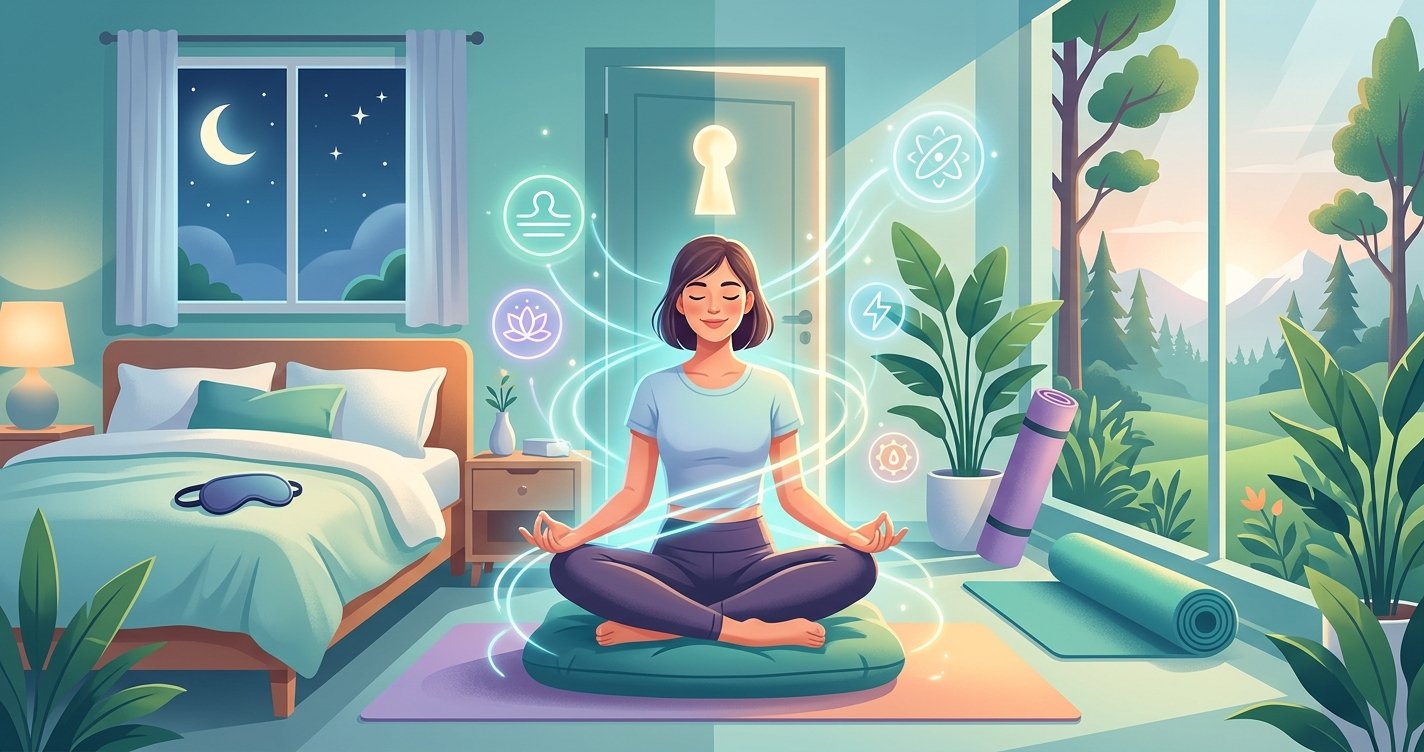
When you think about fat loss, what’s the first thing that comes to mind? Likely diet and exercise, right? And you’re not wrong – they are absolutely crucial components. But what if I told you there are two often-overlooked, incredibly powerful levers that can either make or break your fat loss journey, regardless of how perfectly you’re eating or how hard you’re working out?
Enter: Sleep and Stress Management. this excellent wellness product
It sounds almost too simple, doesn't it? Yet, in our fast-paced, always-on world, adequate sleep and effective stress coping mechanisms are becoming increasingly rare. And your body, in its ancient wisdom, is reacting to these modern stressors in ways that directly sabotage your efforts to shed unwanted fat. This isn't just about feeling tired or grumpy; it's about a complex interplay of hormones and physiology that dictates whether your body holds onto fat or lets it go.
Ready to discover how optimizing these two fundamental pillars can transform not just your physique, but your entire well-being? Let's dive into the evidence.
Why Sleep Isn't Just for Beauty (It's for Burning Fat!)
Think of sleep as your body's nightly repair and reset button. When you skimp on it, particularly consistently, your body doesn't just feel groggy; it goes into a state of hormonal disarray that makes fat loss incredibly challenging. Scientific research consistently backs this up: chronic sleep deprivation (even just an hour or two less than optimal) is strongly linked to increased body fat and difficulty losing weight.
The Hormonal Havoc of Poor Sleep:
- Ghrelin & Leptin Imbalance: Ghrelin is your 'hunger hormone,' telling you when to eat. Leptin is your 'satiety hormone,' signaling when you're full. When you're sleep-deprived, ghrelin levels surge, making you feel hungrier, especially for carb-heavy, sugary foods. At the same time, leptin levels drop, meaning you feel less satisfied after eating and are more prone to overeating. It's a double whammy for increased caloric intake!
- Cortisol Spike: Lack of sleep is perceived by your body as a stressor, triggering an increase in cortisol, your primary stress hormone. We'll delve deeper into cortisol in the next section, but for now, know that elevated cortisol promotes fat storage, particularly in the abdominal area.
- Insulin Resistance: Even just one night of poor sleep can decrease your body's insulin sensitivity. This means your cells become less responsive to insulin, requiring your pancreas to produce more of it to manage blood sugar. High insulin levels are a major signal for your body to store fat and can make it harder to access existing fat stores for energy.
- Reduced Growth Hormone: A significant portion of your body's growth hormone (essential for muscle repair, fat burning, and metabolic health) is released during deep sleep. Less deep sleep means less growth hormone, hindering your body's ability to build muscle and burn fat effectively.
In essence, when you don't get enough quality sleep, your body conspires against your fat loss goals by making you hungrier, storing more fat, and burning less of it. It also impacts your energy levels and willpower, making it harder to stick to your healthy eating and exercise routines.
The Stress-Fat Connection: More Than Just a Feeling
Stress is an unavoidable part of life. A little acute stress (like exercising or meeting a deadline) can even be beneficial. The problem arises with chronic stress – the relentless, low-grade hum of worry, anxiety, and pressure that many of us experience daily. Your body doesn't differentiate between the stress of being chased by a tiger and the stress of a demanding job or financial worries; it responds with the same ancient 'fight or flight' mechanism, primarily driven by cortisol.
How Chronic Stress Promotes Fat Storage:
- Cortisol's Direct Impact: As mentioned, cortisol is the main culprit here. While essential for life, consistently elevated cortisol signals to your body that you're in a survival situation. In such scenarios, storing energy (as fat) becomes a priority. Cortisol specifically encourages the body to deposit fat around the midsection (visceral fat), which is metabolically active and linked to increased health risks.
- Increased Cravings & Emotional Eating: High cortisol can increase your appetite, particularly for comfort foods rich in sugar and fat. This isn't just a lack of willpower; it's a physiological response designed to provide quick energy for a perceived threat. Stress also depletes neurotransmitters like serotonin, leading many to seek out sugary foods to temporarily boost mood.
- Impact on Metabolism: Chronic stress can slow down your metabolism. Your body might try to conserve energy, making it harder to burn calories efficiently.
- Reduced Muscle Mass: In extreme or chronic stress, cortisol can promote the breakdown of muscle tissue to provide amino acids for energy, further hindering fat loss as muscle is metabolically active and helps burn calories.
- Poor Decision Making: When under stress, your prefrontal cortex (the part of your brain responsible for planning and impulse control) takes a backseat. This makes you more prone to impulsive choices, like skipping workouts or reaching for unhealthy snacks, further derailing your fat loss efforts.
Understanding this connection is empowering. It means that managing your stress isn't just about feeling better mentally; it's a vital, direct strategy for sustainable fat loss.
Practical Strategies for Better Sleep and Less Stress
The good news is that you have significant control over these factors! Implementing small, consistent changes can lead to profound results. Remember, progress, not perfection, is the goal.
To Optimize Your Sleep:
- Establish a Consistent Sleep Schedule: Go to bed and wake up around the same time every day, even on weekends. This helps regulate your body's natural circadian rhythm.
- Create a Relaxing Bedtime Routine: Wind down for 30-60 minutes before bed. This could include reading, a warm bath, gentle stretching, or listening to calming music.
- Optimize Your Sleep Environment: Ensure your bedroom is dark, cool (around 65°F or 18°C), and quiet. Block out light, use earplugs if needed, and invest in a comfortable mattress and pillows.
- Limit Screen Time Before Bed: The blue light emitted from phones, tablets, and computers can interfere with melatonin production (your sleep hormone). Aim to power down screens at least an hour before bed.
- Be Mindful of Caffeine & Alcohol: Avoid caffeine late in the day (typically after 2 PM) and limit alcohol, especially close to bedtime, as it disrupts sleep architecture.
- Get Regular Exercise: Physical activity during the day can improve sleep quality, but avoid intense workouts too close to bedtime.
To Manage Your Stress:
- Practice Mindfulness & Meditation: Even 5-10 minutes a day can make a difference. Apps like Calm or Headspace can guide you. Focus on your breath to bring you into the present moment.
- Deep Breathing Exercises: When you feel stress building, take slow, deep breaths. Inhale deeply through your nose, hold for a few seconds, and exhale slowly through your mouth. This activates your parasympathetic nervous system, promoting relaxation.
- Prioritize & Set Boundaries: Learn to say no. Identify your biggest stressors and find ways to mitigate them. Delegate tasks when possible and protect your time.
- Engage in Regular, Enjoyable Physical Activity: Exercise is a powerful stress reliever. Find activities you genuinely enjoy, whether it's walking, dancing, yoga, or lifting weights.
- Connect with Loved Ones: Social support is a powerful buffer against stress. Spend time with people who uplift you.
- Spend Time in Nature: Research shows that exposure to natural environments can significantly reduce stress hormones. Even a short walk in a park can help.
- Journaling: Writing down your thoughts and feelings can help you process emotions and gain perspective, reducing their intensity.
Synergistic Effects: How They Work Together for Fat Loss
The beauty of focusing on sleep and stress is that they don't operate in isolation; they create a powerful, positive feedback loop. When you improve your sleep, your body produces less cortisol, which in turn helps manage stress. When you manage stress effectively, you're more likely to fall asleep easily and experience deeper, more restorative sleep.
This synergy directly impacts your fat loss journey:
- Enhanced Willpower & Decision Making: Well-rested and less stressed, you'll have more mental clarity and stronger willpower to make healthier food choices and stick to your exercise routine. No more giving in to late-night cravings after a stressful day!
- Better Energy Levels: Adequate sleep and reduced stress mean more sustained energy throughout the day, making you more likely to be active and perform better during workouts.
- Optimized Hormonal Balance: You're creating an internal environment where your fat-burning hormones can thrive, and your fat-storing hormones are kept in check.
- Reduced Inflammation: Both chronic poor sleep and stress contribute to systemic inflammation, which can hinder fat loss and overall health. Addressing them helps reduce this inflammatory burden.
By prioritizing sleep and stress management, you're not just adding two more items to your to-do list; you're building a robust foundation that makes all your other fat loss efforts more effective and sustainable.
Beyond the Scale: The Holistic Benefits
While our focus here is on fat loss, the benefits of optimizing sleep and stress extend far beyond what the scale tells you. Think about:
- Improved Mood & Emotional Stability: You'll feel happier, less irritable, and more resilient in the face of life's challenges.
- Enhanced Cognitive Function: Better focus, memory, creativity, and problem-solving skills.
- Stronger Immune System: Your body is better equipped to fight off illness and recover from daily wear and tear.
- Better Relationships: With more energy and less stress, you'll have more patience and presence for your loved ones.
- Increased Enjoyment of Life: Simply put, you'll feel better, live more fully, and have the energy to pursue your passions.
These are the true wins – a holistic improvement in your quality of life that makes fat loss feel less like a chore and more like a natural byproduct of living a well-balanced, healthy existence.
Conclusion: Your Path to Sustainable Fat Loss Starts Here
It's time to shift our perspective on fat loss. While diet and exercise are undeniably important, ignoring the profound impact of sleep and stress management is like trying to drive a car with the parking brake on. By understanding the science behind how these factors influence your hormones and metabolism, you can unlock a more effective and sustainable path to your fat loss goals.
You don't need to overhaul everything overnight. Start small. Pick one sleep tip and one stress management technique to implement this week. Track how you feel. Notice the subtle shifts in your energy, your cravings, and your overall well-being. This journey is about nurturing your body, not punishing it.
Empower yourself by mastering these often-neglected pillars of health. Your body, your mind, and your waistline will thank you for it. What's one small change you can make today to prioritize your sleep or manage your stress?