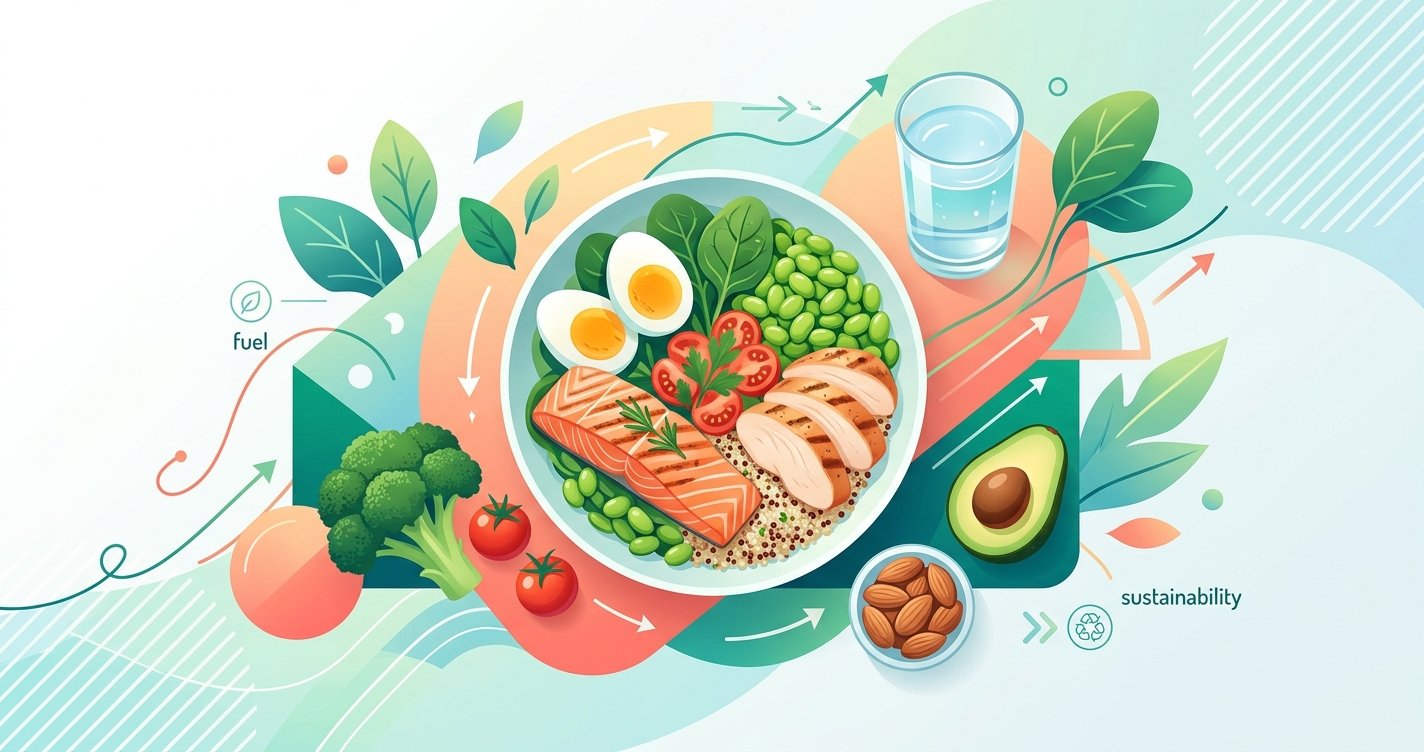
Tired of Yo-Yo Dieting? Discover the Power of Protein for Sustainable Fat Loss!
Let's be honest, the world of fat loss can feel like a confusing maze of restrictive diets, fleeting trends, and promises that rarely deliver lasting results. You've probably tried a few, felt great for a week or two, only to find yourself back where you started – or even heavier – a few months later. It's frustrating, disheartening, and frankly, unsustainable. But what if there was a simpler, more satisfying, and scientifically-backed approach that could help you shed those unwanted pounds and keep them off for good?
Enter the high-protein diet. No, this isn't another fad. It's an evidence-based nutritional strategy that can revolutionize your fat loss journey by working with your body, not against it. Forget extreme calorie restriction and constant hunger pangs. By prioritizing protein, you can unlock a powerful ally in your quest for a leaner, healthier you. Ready to learn why protein is the unsung hero of sustainable fat loss? Let's dive in! this excellent wellness product
Why Protein is Your Ultimate Fat Loss Ally (Beyond Just Building Muscle)
While protein is famously known for its role in muscle building, its benefits for fat loss extend far beyond the gym. It's a nutritional powerhouse that can significantly impact how your body manages weight, making your journey smoother and more effective.
The Satiety Factor: Feeling Fuller, Longer
One of the biggest struggles with any fat loss diet is hunger. Cravings and a rumbling stomach can quickly derail even the most determined efforts. This is where protein shines! Protein is the most satiating macronutrient, meaning it helps you feel fuller and more satisfied for longer periods compared to carbohydrates or fats. This isn't just a feeling; it's backed by science.
- Hormonal Harmony: Protein influences the release of gut hormones like PYY and GLP-1, which signal fullness to your brain, while simultaneously reducing levels of ghrelin, the hunger hormone.
- Reduced Snacking: By keeping hunger at bay, a high-protein diet naturally reduces your desire to snack between meals or overeat at your next one, leading to an easier calorie deficit without feeling deprived.
Imagine going through your day feeling genuinely satisfied after meals, rather than constantly thinking about your next snack. That's the power of protein!
The Thermic Effect of Food (TEF): Burning More Calories Just by Eating
Did you know that your body burns calories just to digest, absorb, and process the nutrients from your food? This is known as the Thermic Effect of Food (TEF), and it varies significantly between macronutrients. Protein has the highest TEF of all!
- Protein's Calorie Burn: Approximately 20-30% of the calories you consume from protein are burned off during its digestion and metabolism.
- Carbohydrates & Fats: For comparison, carbohydrates have a TEF of 5-10%, and fats are even lower at 0-3%.
This means that simply by choosing protein-rich foods, you're giving your metabolism a small but consistent boost throughout the day. Over time, these extra calories burned add up, contributing to a more efficient fat loss process.
Preserving Muscle Mass: The Key to a Higher Metabolism
When you're in a calorie deficit to lose fat, your body doesn't always discriminate; it can sometimes break down muscle tissue along with fat. This is detrimental because muscle is metabolically active, meaning it burns more calories at rest than fat tissue does. Losing muscle can slow down your metabolism, making future fat loss harder and increasing the likelihood of weight regain.
A high-protein intake is crucial for preserving lean muscle mass during a fat loss phase. It provides the essential amino acids your body needs to repair and build muscle, even when you're eating fewer calories. By maintaining or even building muscle, you keep your metabolism humming, turning your body into a more efficient fat-burning machine.
How Much Protein Do You Really Need for Fat Loss?
The optimal protein intake for fat loss is often higher than what many people typically consume. While general dietary guidelines suggest around 0.8 grams of protein per kilogram of body weight for sedentary individuals, those aiming for fat loss will benefit from more.
General Guidelines and Individual Needs
For effective fat loss and muscle preservation, research suggests aiming for:
- 1.6 to 2.2 grams of protein per kilogram of body weight (0.7 to 1 gram per pound of body weight) per day.
For example, if you weigh 70 kg (approximately 154 lbs), you'd aim for roughly 112-154 grams of protein daily. If you're very active or have a significant amount of muscle, you might even lean towards the higher end of this range. Listen to your body and adjust as needed, but this is an excellent starting point.
Spreading It Out: Optimizing Absorption and Satiety
While hitting your daily protein target is important, how you distribute it throughout the day also matters. Instead of trying to cram all your protein into one or two meals, aim to spread your intake relatively evenly across 3-5 meals or snacks.
- Maximize Muscle Protein Synthesis: Distributing protein helps optimize muscle protein synthesis, which is the process of building and repairing muscle.
- Sustained Satiety: Evenly spaced protein portions will help you maintain satiety levels throughout the day, preventing those sudden hunger pangs that lead to poor food choices.
Practical Strategies for Upping Your Protein Intake
Knowing why protein is important is one thing; knowing how to integrate more of it into your daily life is another. Here are some simple, actionable tips to boost your protein intake without feeling overwhelmed:
Lean Protein Powerhouses: Your Go-To Sources
Focus on whole, unprocessed protein sources. These are not only rich in protein but also packed with other essential nutrients.
- Animal Sources: Chicken breast, turkey, lean beef, pork tenderloin, fish (salmon, cod, tuna), eggs, Greek yogurt, cottage cheese, milk.
- Plant Sources: Lentils, chickpeas, black beans, edamame, tofu, tempeh, quinoa, seitan, protein powders (whey, casein, pea, soy, rice).
Don't be afraid to mix and match! A varied diet ensures you get a wide range of amino acids and micronutrients.
Smart Snacking: Protein-Packed Options
Snacks can be your secret weapon for hitting protein targets and keeping hunger at bay. Ditch the sugary treats and opt for these:
- Greek yogurt with a handful of berries
- Cottage cheese with sliced tomatoes or fruit
- Hard-boiled eggs
- A small handful of almonds or walnuts
- Protein shake (mixed with water or unsweetened almond milk)
- Deli meat roll-ups (turkey slices with a bit of avocado)
Meal Planning Made Easy: Incorporating Protein into Every Meal
Make protein the star of every plate. It's often easier than you think!
- Breakfast: Scrambled eggs, Greek yogurt with nuts, protein smoothie, cottage cheese with fruit.
- Lunch: Chicken or fish salad, lentil soup, leftover lean meat and veggies, a wrap with hummus and turkey.
- Dinner: Grilled salmon with roasted vegetables, lean ground beef stir-fry, chicken and bean chili, tofu curry.
Even small additions like adding a scoop of protein powder to your oatmeal or a side of edamame to your rice can make a difference.
Beyond Protein: A Holistic Approach to Sustainable Fat Loss
While a high-protein diet is a powerful tool, it's part of a larger puzzle. For truly sustainable fat loss and overall health, consider these complementary strategies:
Don't Forget the Veggies and Healthy Fats!
Protein works best when paired with a balanced intake of other nutrients.
- Fiber-Rich Vegetables: Load up on non-starchy vegetables (broccoli, spinach, bell peppers, leafy greens) for essential vitamins, minerals, and fiber, which further enhances satiety and digestive health.
- Healthy Fats: Include sources of healthy fats like avocados, nuts, seeds, and olive oil. These are crucial for hormone production, nutrient absorption, and also contribute to satiety, albeit differently than protein.
The Role of Strength Training: Building Your Fat-Burning Engine
Combining a high-protein diet with regular strength training is a game-changer for fat loss. Strength training builds and maintains muscle mass, which, as we discussed, boosts your metabolism. It also improves body composition, making you look and feel firmer and stronger.
Hydration, Sleep, and Stress Management: The Unsung Heroes
These often-overlooked factors play a critical role in your body's ability to lose fat and maintain health.
- Hydration: Drink plenty of water throughout the day. Sometimes, thirst can be mistaken for hunger.
- Quality Sleep: Lack of sleep can disrupt hunger-regulating hormones, increase cravings for unhealthy foods, and impair your body's ability to lose fat. Aim for 7-9 hours of quality sleep per night.
- Stress Management: Chronic stress elevates cortisol levels, which can promote fat storage, especially around the belly. Incorporate stress-reducing activities like meditation, yoga, or spending time in nature.
Ready to Embrace a Smarter Way to Lose Fat?
You now have the knowledge and tools to transform your fat loss journey from a frustrating cycle into a sustainable success story. By prioritizing protein, you'll naturally feel fuller, burn more calories, and protect your precious muscle mass – all while making healthier food choices easier to stick to.
Remember, sustainable fat loss isn't about perfection; it's about consistency and making informed choices that support your body. Start small, incorporate more protein into your meals, embrace whole foods, and combine it with a healthy lifestyle. Your body, your energy levels, and your confidence will thank you. Here's to a healthier, happier, and more sustainable you!