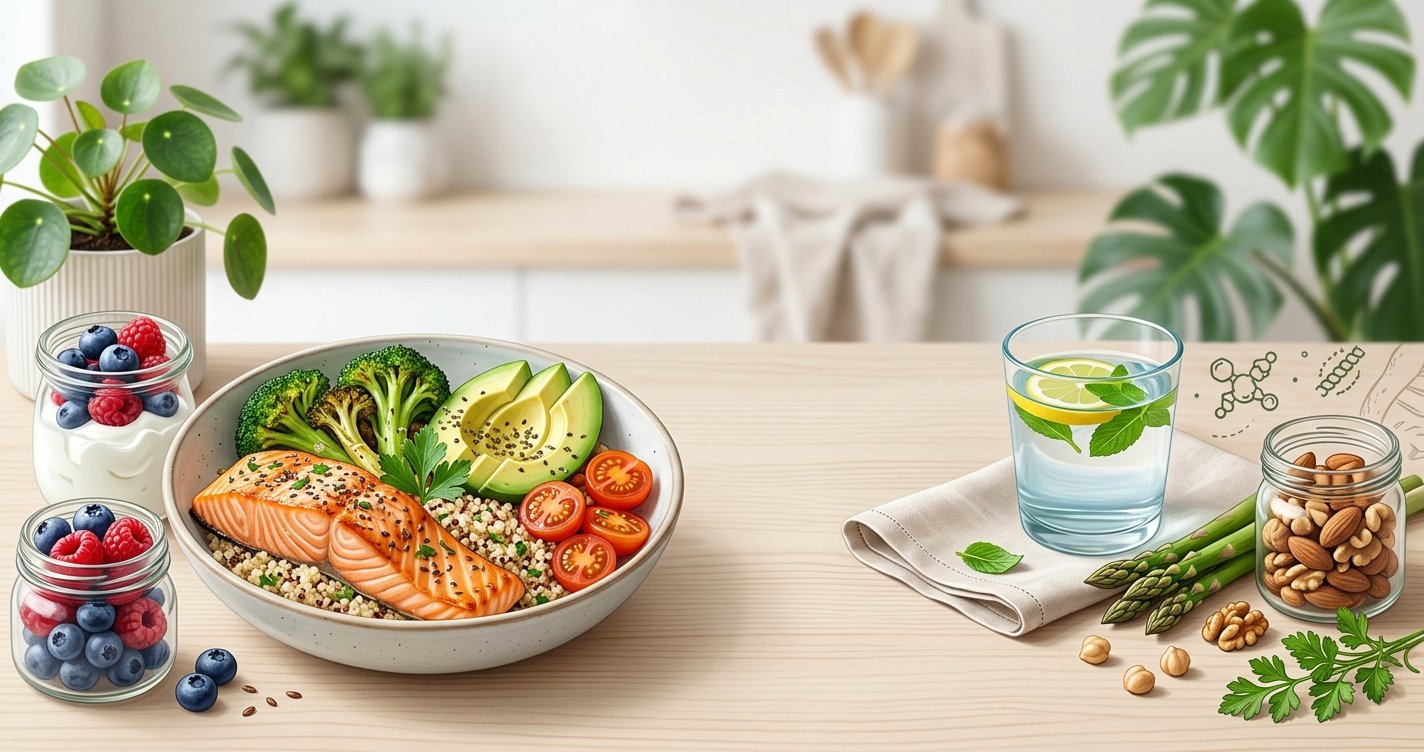
Are you tired of the endless cycle of restrictive diets that leave you feeling hungry, deprived, and ultimately, frustrated? What if we told you that achieving sustainable fat loss isn't just about cutting calories, but about strategically nourishing your body with the right building blocks? Welcome to a more empowering approach, one that focuses on two often-underestimated heroes: protein and fiber.
Forget the fads and quick fixes. This isn't about deprivation; it's about optimization. We’re diving deep into the science behind why a plate rich in protein and fiber can be your secret weapon for shedding fat, preserving muscle, boosting your metabolism, and keeping hunger at bay. Get ready to transform your understanding of nutrition and embark on a path to lasting results, feeling energized and satisfied every step of the way. this excellent wellness product
Why Traditional Diets Often Miss the Mark (And How to Fix It)
Many conventional fat loss diets focus heavily on calorie restriction. While a calorie deficit is fundamental for fat loss, simply eating less often leads to a cascade of undesirable effects: constant hunger, nutrient deficiencies, muscle loss (which slows your metabolism), and a feeling of deprivation that inevitably leads to rebound eating. This isn't sustainable, nor is it healthy.
The missing link? Satiety and nutrient density. Instead of just reducing what you eat, we need to enhance the quality of your food choices to maximize fullness, provide essential nutrients, and support your body's natural fat-burning processes. This is where protein and fiber truly shine.
Protein: Your Muscle-Preserving, Hunger-Crushing Ally
Protein isn't just for bodybuilders. It's a macronutrient powerhouse crucial for everyone, especially when aiming for fat loss. Here’s why it deserves a starring role on your plate:
The Thermic Effect of Food (TEF) and Protein
Did you know that your body expends energy just to digest, absorb, and metabolize the food you eat? This is known as the Thermic Effect of Food (TEF). Protein has the highest TEF of all macronutrients, meaning you burn more calories digesting protein than you do carbohydrates or fats. While the effect isn't massive, it contributes to your overall daily energy expenditure, giving you a slight metabolic boost just by choosing protein-rich foods.
Satiety: Feeling Fuller, Longer
Perhaps protein's most celebrated benefit for fat loss is its incredible ability to promote satiety – that feeling of fullness and satisfaction. Research consistently shows that higher protein intake can significantly reduce hunger and appetite. Protein influences key hunger hormones like ghrelin (the hunger hormone) and PYY (a satiety hormone), signaling to your brain that you're full. This translates directly to fewer cravings, reduced snacking, and a lower likelihood of overeating.
Muscle Preservation: Protecting Your Metabolism
When you're in a calorie deficit, your body can lose both fat and muscle. Losing muscle is detrimental because muscle tissue is metabolically active, meaning it burns more calories at rest than fat tissue. A decrease in muscle mass leads to a slower metabolism, making sustained fat loss harder. Adequate protein intake is vital for preserving lean muscle mass during fat loss, ensuring your metabolism stays humming and your body remains strong and toned.
How Much Protein Do You Really Need?
For fat loss, general recommendations often range from 1.6 to 2.2 grams of protein per kilogram of body weight, especially for active individuals. Spreading your protein intake throughout the day (e.g., 20-40 grams per meal) has been shown to be more effective for muscle protein synthesis and satiety than consuming it all in one sitting.
Top Protein Sources for Fat Loss
- Lean Meats: Chicken breast, turkey, lean beef, pork loin.
- Fish & Seafood: Salmon, tuna, cod, shrimp.
- Eggs: Whole eggs are a complete protein source.
- Dairy: Greek yogurt, cottage cheese, milk, whey protein.
- Legumes: Lentils, beans, chickpeas (also great for fiber!).
- Plant-Based: Tofu, tempeh, edamame, seitan, plant-based protein powders.
Fiber: The Gut-Friendly, Satiety-Boosting Secret Weapon
Fiber is a type of carbohydrate that your body can't digest, but don't let that fool you – it's incredibly beneficial, especially for fat loss and overall health.
Beyond Regularity: Fiber's Role in Satiety
Fiber adds bulk to your meals without adding significant calories. Soluble fiber, found in foods like oats, beans, and apples, forms a gel-like substance in your digestive tract, slowing down digestion and nutrient absorption. This prolongs the feeling of fullness and helps stabilize blood sugar. Insoluble fiber, found in whole grains and vegetables, adds bulk and promotes digestive regularity, contributing to overall gut health and a feeling of comfortable fullness.
Blood Sugar Control and Fat Storage
High-fiber foods help to slow down the absorption of sugars into your bloodstream. This prevents rapid spikes in blood glucose and subsequent insulin surges. Stable blood sugar levels mean less fat storage and more consistent energy, reducing the likelihood of energy crashes and subsequent cravings for sugary snacks.
Gut Health: A Surprising Link to Fat Loss
A healthy gut microbiome – the community of bacteria in your intestines – plays a critical role in metabolism, nutrient absorption, and even fat storage. Fiber, particularly prebiotic fiber, acts as food for these beneficial gut bacteria. A thriving gut microbiome has been linked to improved weight management, reduced inflammation, and better metabolic health. Supporting your gut with fiber is an indirect yet powerful strategy for fat loss.
Meeting Your Fiber Targets
Most adults in Western countries consume far less fiber than recommended. Aim for 25-38 grams of fiber per day. It's best to gradually increase your fiber intake to allow your digestive system to adjust and prevent discomfort.
Fiber-Rich Foods to Embrace
- Fruits: Berries, apples (with skin), pears, oranges, bananas.
- Vegetables: Broccoli, spinach, carrots, Brussels sprouts, kale, sweet potatoes.
- Whole Grains: Oats, quinoa, brown rice, whole-wheat bread and pasta.
- Legumes: Lentils, black beans, chickpeas, kidney beans.
- Nuts & Seeds: Almonds, chia seeds, flax seeds, sunflower seeds.
The Synergistic Power of Protein and Fiber Together
While protein and fiber are powerful on their own, their combined effect is truly remarkable. When you pair them in your meals, you create a metabolic masterpiece:
- Maximized Satiety: The combined bulk, slowed digestion, and hormonal signals from protein and fiber create a powerful feeling of fullness that lasts for hours, drastically reducing the urge to snack or overeat.
- Stable Energy Levels: By controlling blood sugar and providing sustained nutrient release, this duo prevents energy dips, keeping you focused and productive without reaching for quick-fix sugars.
- Optimal Nutrient Delivery: Meals rich in protein and fiber are often packed with vitamins, minerals, and antioxidants, nourishing your body at a cellular level and supporting overall health during your fat loss journey.
Think about a breakfast of Greek yogurt with berries and chia seeds, or a lunch of a lean chicken breast salad loaded with mixed greens, chickpeas, and a sprinkle of nuts. These are prime examples of meals that leverage the synergistic power of protein and fiber.
Practical Tips for Integrating Protein and Fiber into Your Daily Life
Making these changes doesn't have to be overwhelming. Here are some actionable tips:
Start with Breakfast
Make your first meal count. Opt for high-protein, high-fiber options like oatmeal with protein powder and berries, scrambled eggs with spinach and whole-grain toast, or a Greek yogurt parfait with fruit and nuts.
Prioritize Whole Foods
Focus on unprocessed, whole foods that naturally contain high amounts of protein and fiber. Minimize sugary drinks, refined grains, and highly processed snacks that offer little nutritional value.
Snack Smart
If you need snacks, make them purposeful. Hard-boiled eggs, a handful of almonds, an apple with a tablespoon of peanut butter, or vegetable sticks with hummus are excellent choices that provide both protein and fiber.
Hydrate, Hydrate, Hydrate
Increasing your fiber intake also means increasing your water intake. Water helps fiber move through your digestive system smoothly, preventing discomfort. Aim for plenty of plain water throughout the day.
Plan Ahead
Meal prepping can be a game-changer. Dedicate some time each week to plan your meals and prepare some components in advance. This ensures you always have healthy, protein- and fiber-rich options readily available.
Beyond the Plate: Other Pillars of Sustainable Fat Loss
While nutrition is paramount, sustainable fat loss is a holistic endeavor. Remember to also prioritize:
- Strength Training: Builds and preserves muscle, boosting your metabolism.
- Adequate Sleep: Crucial for hormone regulation, hunger control, and recovery.
- Stress Management: Chronic stress can elevate cortisol, which is linked to increased fat storage.
- Mindful Eating: Pay attention to your body's hunger and fullness cues, eat slowly, and savor your meals.
Conclusion: Nourish Your Way to Lasting Fat Loss
Sustainable fat loss isn't about enduring endless hunger or restrictive rules; it's about empowering your body with the right fuel. By consciously prioritizing protein and fiber in your diet, you're not just cutting calories – you're building a foundation for a healthier metabolism, sustained energy, and genuine satisfaction.
Embrace these two powerful nutrients, listen to your body, and make consistent, small changes. You'll not only shed unwanted fat but also cultivate a healthier, more vibrant relationship with food and your body. Start optimizing your plate today and unlock the secret to lasting success!