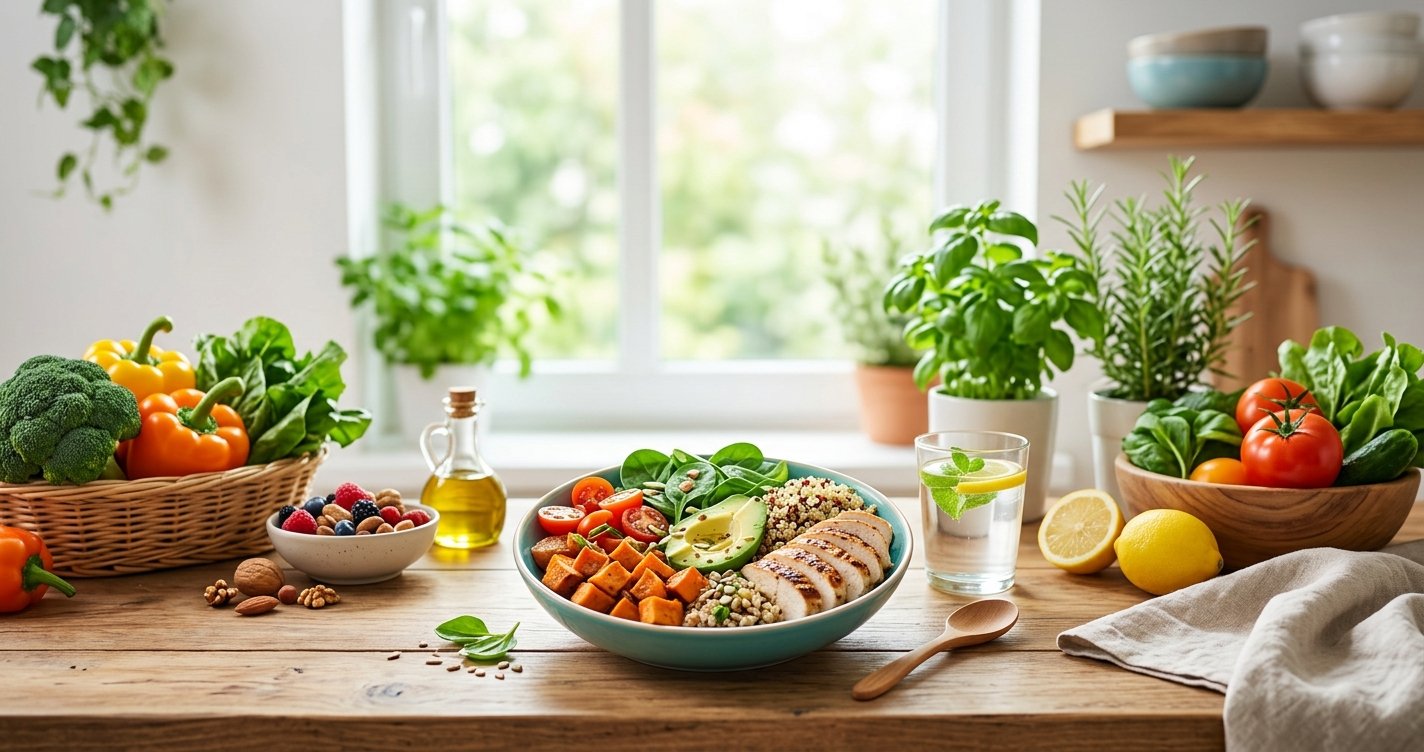
Are you tired of the endless cycle of restrictive diets, quick fixes, and disappointing results? You’re not alone. Many embark on a fat loss journey with high hopes, only to find themselves burnt out, hungry, and back where they started. The truth is, sustainable fat loss isn't about deprivation; it's about smart, consistent nutrition choices that nourish your body, support your energy, and fit into your lifestyle. This isn't just about shedding pounds quickly; it's about building a healthier, stronger you for the long haul. Let's dive into evidence-based nutrition strategies that truly work, fostering a friendly and encouraging approach to your health goals.
Why Fad Diets Fail (And What Works Instead)
The allure of rapid weight loss can be strong, leading many to jump on the latest fad diet. Whether it’s extreme calorie restriction, cutting out entire food groups, or relying on shakes and supplements, these approaches often share a common flaw: they're unsustainable. They create an unhealthy relationship with food, lead to nutrient deficiencies, and often result in rebound weight gain once the diet ends. Your body is incredibly adaptive, and extreme restriction often triggers survival mechanisms that make long-term fat loss harder. this excellent wellness product
The Importance of a Gentle Calorie Deficit (Without Starvation)
At its core, fat loss requires a calorie deficit – consuming fewer calories than your body burns. However, a 'gentle' deficit is key. Aim for a moderate reduction (e.g., 300-500 calories below your maintenance level) rather than drastic cuts. This allows your body to tap into fat stores for energy without slowing down your metabolism too much or causing intense hunger and fatigue. It’s about creating a slight energy gap, not a chasm.
Quality Over Quantity: Nutrient-Dense Foods
While calories matter, the source of those calories matters even more. 100 calories of highly processed cookies have a vastly different impact on your body than 100 calories of broccoli. Nutrient-dense foods – rich in vitamins, minerals, fiber, and lean protein – provide satiety, support bodily functions, and fuel your metabolism without excessive calories. Prioritizing whole foods helps you feel fuller for longer, reducing the urge to snack on less nutritious options.
Your Plate, Your Progress: Key Nutritional Strategies
Understanding macronutrients (protein, carbohydrates, fats) and how they contribute to your fat loss goals is crucial. It’s not about eliminating them, but about making smart choices within each category.
Protein Power: The Satiety and Muscle-Preservation Champion
Protein is your best friend on a fat loss journey for several reasons:
- Satiety: Protein is the most satiating macronutrient, meaning it keeps you feeling full and satisfied, reducing overall calorie intake.
- Muscle Preservation: When you're in a calorie deficit, there's a risk of losing muscle mass along with fat. Adequate protein intake helps preserve muscle, which is metabolically active and crucial for a healthy metabolism.
- Thermic Effect: Protein has a higher thermic effect of food (TEF) than carbs or fats, meaning your body burns more calories digesting and metabolizing protein.
Aim for a lean protein source with every meal: chicken breast, fish, lean beef, eggs, Greek yogurt, tofu, lentils, or beans.
Smart Carbs: Fueling Your Body Wisely
Carbohydrates often get a bad rap, but they are essential for energy, brain function, and exercise performance. The key is choosing the right kind:
- Complex Carbs: Whole grains (oats, quinoa, brown rice), sweet potatoes, fruits, and vegetables are packed with fiber, which aids digestion, promotes satiety, and provides sustained energy.
- Limit Refined Carbs: Sugary drinks, white bread, pastries, and highly processed snacks offer quick energy spikes followed by crashes, leading to cravings and fat storage.
Focus on fiber-rich carbohydrates around your workouts and as part of balanced meals.
Healthy Fats: Essential for Hormones and Satiety
Fats are vital for hormone production, nutrient absorption, and overall health. While calorie-dense, healthy fats contribute to satiety and play a crucial role in cellular function:
- Monounsaturated and Polyunsaturated Fats: Found in avocados, nuts, seeds, olive oil, and fatty fish (like salmon). These fats are heart-healthy and help keep you full.
- Limit Trans Fats: Found in many processed and fried foods, these fats are detrimental to your health and should be avoided.
Incorporate small amounts of healthy fats into your diet, being mindful of portion sizes due to their higher calorie count.
Beyond Macros: Practical Tips for Sustainable Fat Loss
While macronutrient balance is fundamental, several other practical strategies can significantly boost your fat loss efforts and make the journey more enjoyable.
Portion Control: The Art of Mindful Eating
Even healthy foods can lead to weight gain if consumed in excess. Mindful eating involves paying attention to your body's hunger and fullness cues, savoring your food, and eating without distractions. Using smaller plates, measuring out servings initially, and being present during meals can help you master portion control.
Hydration Heroes: Water's Role in Fat Loss
Often overlooked, water is a powerful ally for fat loss:
- Satiety: Drinking water before meals can help you feel fuller, leading to reduced calorie intake.
- Metabolism: Staying well-hydrated supports optimal metabolic function.
- Reduces Cravings: Sometimes, thirst is mistaken for hunger. A glass of water can often curb unnecessary snacking.
Aim for at least 8 glasses of water a day, more if you're active.
Meal Timing and Frequency: What the Science Says
The science largely suggests that total daily calorie intake is more important than strict meal timing or frequency. However, some find that eating regular, balanced meals helps manage hunger and energy levels. Others thrive with intermittent fasting. Experiment to find what works best for your body and schedule, focusing on consistency.
Navigating Cravings and Social Eating
Cravings are normal! Instead of fighting them, try understanding them. Are you truly hungry, or is it stress, boredom, or emotion? For social events, plan ahead: have a healthy snack before you go, choose wisely, and don't be afraid to say no to things that don't align with your goals. Remember, one meal won't derail your progress, but consistent overindulgence will.
Building Habits for Long-Term Success
Sustainable fat loss isn't a race; it's a lifestyle evolution. It’s about building habits that support your health long after you’ve reached your goal.
Planning and Preparation: Your Secret Weapon
Meal planning and prepping can transform your fat loss journey. Dedicate time each week to plan your meals, grocery shop, and even prep some components (like chopping veggies or cooking a batch of protein). This reduces decision fatigue, prevents impulse buys, and ensures you always have healthy options readily available.
Consistency is Key: Small Steps, Big Results
Don't strive for perfection; strive for consistency. Missing a workout or having an off-plan meal isn't a failure; it's a moment. Get back on track with your next meal or workout. Small, consistent efforts compound over time into significant, lasting results. Celebrate your small victories and learn from setbacks.
Listen to Your Body: The Personalized Approach
Every body is unique. What works perfectly for one person might not be ideal for another. Pay attention to how different foods make you feel, observe your energy levels, and track your progress. Don't be afraid to adjust your approach based on your body's feedback. This journey is about learning and adapting, making it truly yours.
Embrace Your Journey to Sustainable Fat Loss
Embarking on a fat loss journey with sustainable nutrition strategies is about empowering yourself with knowledge and making conscious choices that serve your body and your long-term health. It’s not about quick fixes, but about building a foundation of healthy habits, understanding your body, and enjoying the process. Be patient, be kind to yourself, and celebrate every step forward. You have the power to transform your health, one nourishing meal at a time. Start small, stay consistent, and watch as you not only lose fat but gain confidence, energy, and a healthier, happier life.