Fuel Your Fat Loss: Evidence-Based Nutrition for Sustainable Results
Are you tired of the endless cycle of restrictive diets, quick fixes, and disappointing rebounds? You're not alone. Many people embark on their fat loss journey with enthusiasm, only to hit frustrating plateaus or regain lost weight. The truth is, sustainable fat loss isn't about deprivation; it's about smart, evidence-based nutrition that nourishes your body, satisfies your hunger, and supports your metabolism for the long haul. This comprehensive guide will equip you with the knowledge and practical strategies to build a healthier relationship with food and achieve lasting results.
The Pitfalls of Quick Fixes: Why Sustainable Nutrition Matters
The diet industry often promotes rapid weight loss through extreme calorie restriction or eliminating entire food groups. While these approaches might yield initial results, they are rarely sustainable. Our bodies are incredibly adaptable, and severe restriction can trigger metabolic adaptation, slowing down your metabolism and making further fat loss harder. Beyond the physical toll, these diets often lead to nutrient deficiencies, intense cravings, and a negative psychological impact, fostering a sense of failure and an unhealthy relationship with food. this excellent wellness product
True fat loss is a marathon, not a sprint. It's about creating consistent, healthy habits that you can maintain indefinitely. When you focus on nourishing your body with balanced, whole foods, you not only shed excess fat but also improve your overall health, energy levels, and well-being. Let's dive into the foundational nutritional principles that pave the way for sustainable success.
Your Nutritional Blueprint for Lasting Fat Loss
Calorie Awareness: The Foundation, Not the Foe
At its core, fat loss requires a consistent calorie deficit – consuming slightly fewer calories than your body burns. However, "deficit" doesn't mean starvation. It means finding a moderate, sustainable reduction that allows your body to tap into stored fat for energy without triggering extreme metabolic slowdowns or intense hunger.
Understanding your Total Daily Energy Expenditure (TDEE) is a great starting point. Online calculators can give you an estimate. From there, aim for a deficit of 300-500 calories below your TDEE. This creates a gradual, manageable path to fat loss. While strict calorie counting isn't always necessary long-term, gaining an awareness of the calorie content in your regular meals can be incredibly empowering. Focus on portion control and opting for nutrient-dense, lower-calorie options.
Power Up with Protein: Satiety, Muscle, and Metabolism
Protein is your secret weapon for fat loss. Here's why:
- Satiety: Protein is the most satiating macronutrient, meaning it keeps you feeling fuller for longer, reducing the likelihood of overeating and snacking.
- Muscle Preservation: During a calorie deficit, there's a risk of losing muscle mass along with fat. Adequate protein intake helps preserve muscle, which is crucial because muscle tissue burns more calories at rest than fat tissue.
- Thermic Effect of Food (TEF): Your body expends more energy digesting and metabolizing protein compared to carbohydrates or fats. This means you burn more calories simply by eating protein-rich foods.
Aim for 0.7-1 gram of protein per pound of body weight, spread throughout your meals. Excellent sources include lean meats, poultry, fish, eggs, dairy, legumes, and plant-based protein powders.
Embrace Healthy Fats: Essential for Health and Fullness
For decades, fat was demonized, but we now know that healthy fats are vital for overall health and play a significant role in fat loss. They are essential for hormone production, nutrient absorption (especially fat-soluble vitamins A, D, E, K), and providing sustained energy.
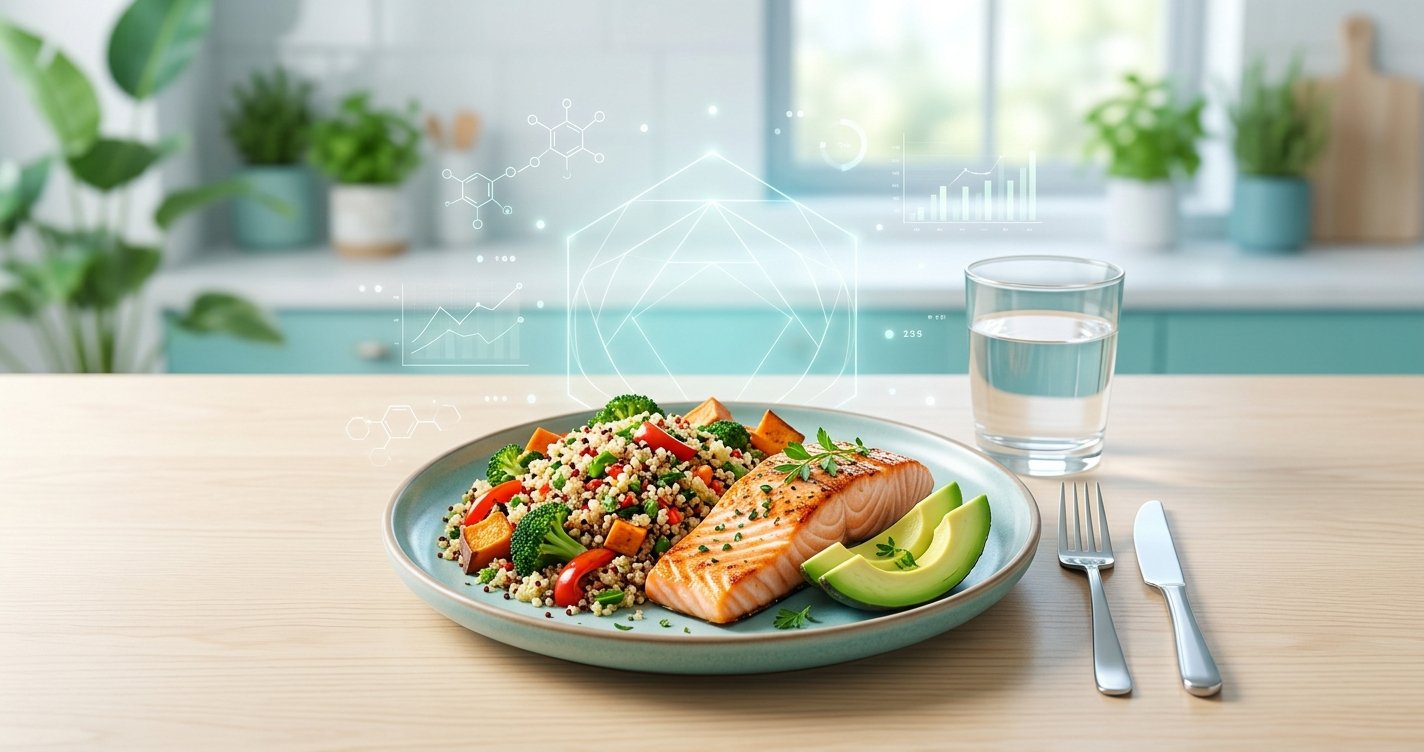
Healthy fats also contribute to satiety, helping you feel fuller and more satisfied after meals. Focus on monounsaturated and polyunsaturated fats found in avocados, nuts, seeds, olive oil, and fatty fish (like salmon and mackerel). While healthy, fats are calorie-dense, so portion control remains key.
Smart Carbs: Fueling Your Body with Fiber
Carbohydrates are your body's primary energy source, and cutting them out entirely can lead to fatigue, irritability, and nutrient deficiencies. The key is to choose the right kind of carbs: complex carbohydrates rich in fiber.
Fiber plays a critical role in fat loss by:
- Increasing Satiety: Fiber adds bulk to your meals, making you feel fuller and more satisfied.
- Stabilizing Blood Sugar: It slows down sugar absorption, preventing sharp spikes and crashes that can lead to cravings.
- Aiding Digestion: Promotes a healthy gut, which is increasingly linked to metabolic health.
Prioritize whole grains (oats, quinoa, brown rice), fruits, vegetables, and legumes. Limit highly processed, refined carbohydrates like white bread, sugary drinks, and pastries, which offer little nutritional value and can hinder your progress.
Beyond Macros: Optimizing Your Eating Experience
Hydration: The Unsung Hero of Fat Loss
Often overlooked, adequate hydration is fundamental for fat loss and overall health. Water plays a crucial role in metabolism, nutrient transport, and detoxification. Sometimes, thirst can be mistaken for hunger, leading to unnecessary snacking. Aim to drink plenty of water throughout the day, especially before meals.
Nutrient Density: Making Every Bite Count
While calories and macronutrients are important, the quality of your food matters immensely. Nutrient-dense foods – those packed with vitamins, minerals, and antioxidants – support overall health, boost energy, and can even help curb cravings for less nutritious options. Focus on a wide variety of colorful fruits and vegetables, lean proteins, and whole grains to ensure you're getting a full spectrum of essential nutrients.
Mindful Eating: Connecting with Your Body's Cues
In our fast-paced world, eating often becomes a rushed, unconscious act. Mindful eating involves paying attention to your food, recognizing your body's hunger and fullness signals, and savoring the experience. This practice can prevent overeating, improve digestion, and foster a healthier relationship with food. Slow down, chew thoroughly, and put away distractions while you eat.
Practical Strategies for Everyday Success
Master Meal Planning & Preparation
Failing to plan is planning to fail, especially when it comes to nutrition. Dedicate some time each week to plan your meals and snacks. This could involve:
- Creating a grocery list based on your healthy meal plan.
- Batch cooking staples like grilled chicken, quinoa, or roasted vegetables.
- Pre-portioning snacks to avoid impulsive, unhealthy choices.
Meal prep reduces decision fatigue and ensures you always have nutritious options readily available, making it easier to stick to your goals.
Portion Control Without Perfection
You don't need a food scale for every meal, but understanding appropriate portion sizes is powerful. Use visual cues: a serving of protein is roughly the size of your palm, a serving of healthy fats is about your thumb, and a serving of carbohydrates (like rice or pasta) is about a cupped hand. Fill half your plate with non-starchy vegetables, a quarter with lean protein, and a quarter with complex carbohydrates. This simple approach helps create balanced, satisfying meals.
Navigating the Journey: Patience, Progress, and Persistence
Your fat loss journey will have ups and downs. There will be plateaus, cravings, and social situations that test your resolve. The key is not to seek perfection but to embrace consistency and learn from setbacks. Don't let a single "off" meal derail your entire week. Get back on track with your next meal and focus on the bigger picture.
Celebrate non-scale victories – improved energy, better sleep, clothes fitting differently, increased strength, or a healthier relationship with food. These are true indicators of progress and more sustainable than a number on the scale. Remember, sustainable fat loss is a journey of self-discovery and building lifelong habits.
Conclusion
Achieving sustainable fat loss isn't about following a restrictive diet for a few weeks; it's about adopting an evidence-based approach to nutrition that fuels your body, respects your hunger, and supports your overall well-being. By focusing on calorie awareness, prioritizing protein, embracing healthy fats, choosing smart carbs, and practicing mindful eating, you can build a nutritional blueprint that leads to lasting results. Be patient, be persistent, and most importantly, be kind to yourself on this transformative journey. Your body will thank you.